By admin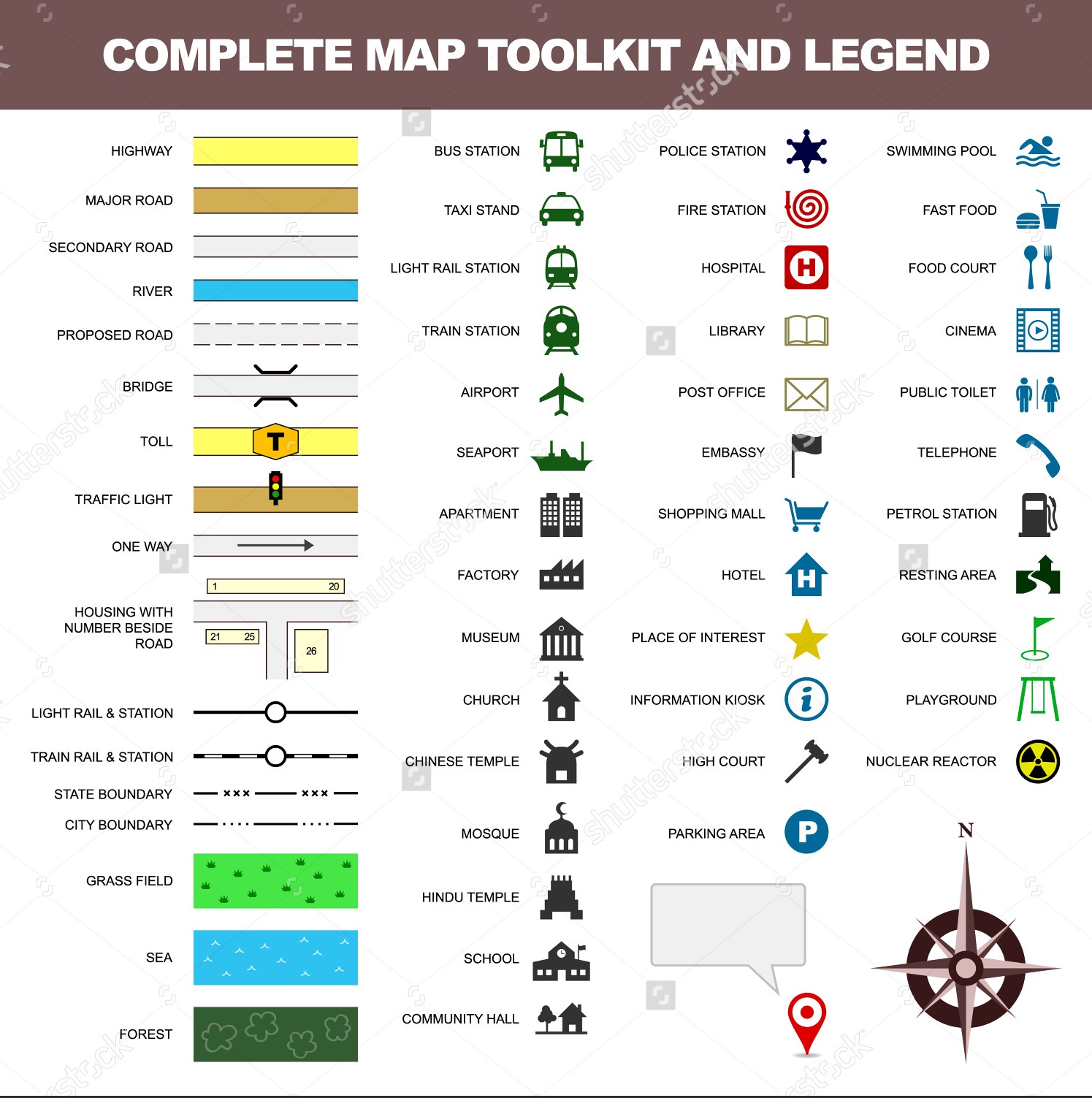
Maps, those intricate and fascinating representations of our world, are more than just pretty pictures. They are powerful tools for navigation, analysis, and understanding spatial relationships. But without the key to decipher their coded language, a map remains just a jumble of lines, colors, and symbols. That key, the Rosetta Stone of cartography, is the legend.
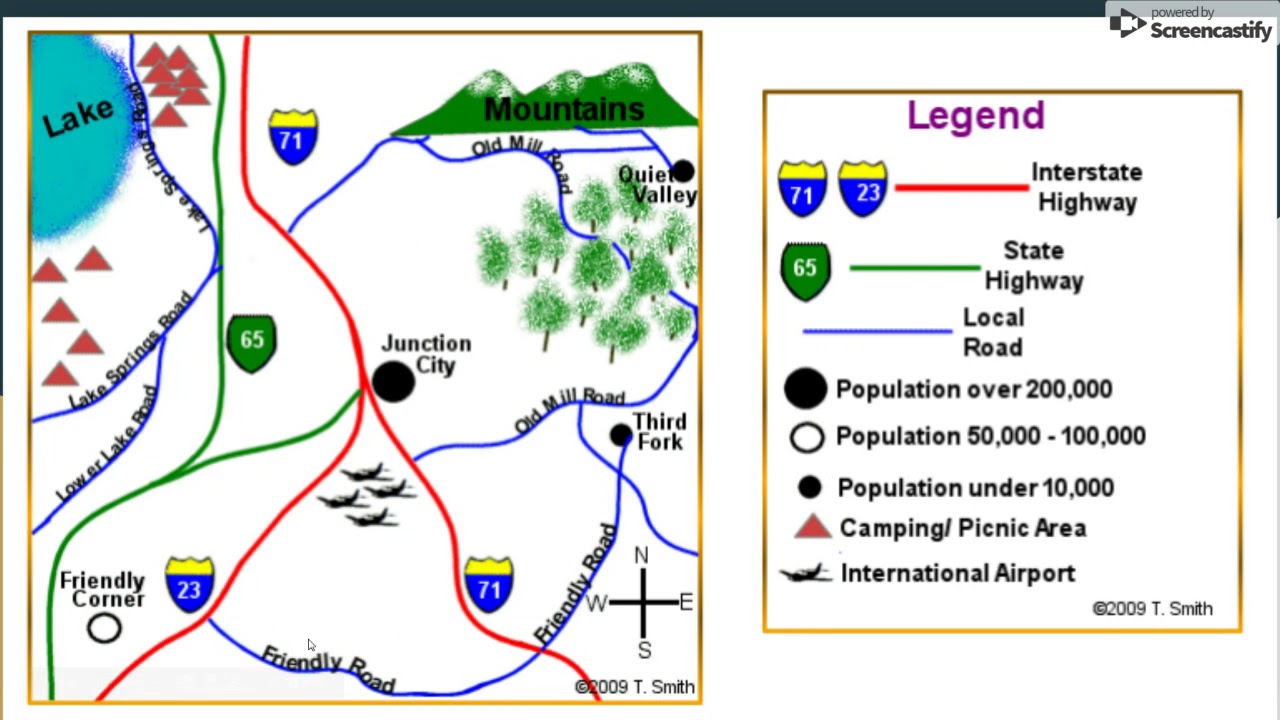
A map legend, also known as a key, is a crucial component of any map. It’s a visual glossary that explains the meaning of the symbols, colors, patterns, and other visual elements used on the map. Think of it as a translation guide, bridging the gap between the abstract representation and the real-world features they represent. Without a legend, even the most meticulously crafted map is essentially useless to anyone unfamiliar with its specific conventions.
Why is a Map Legend Essential?
Imagine you’re exploring a national park with only a map and your wits. The map shows a winding blue line snaking through the landscape. Is it a river? A hiking trail? A political boundary? Without the legend, you’re left guessing, potentially leading to confusion, misdirection, or even danger.
The legend provides clarity and context, transforming a collection of abstract symbols into a coherent and informative depiction of the landscape. Here’s a breakdown of its key functions:
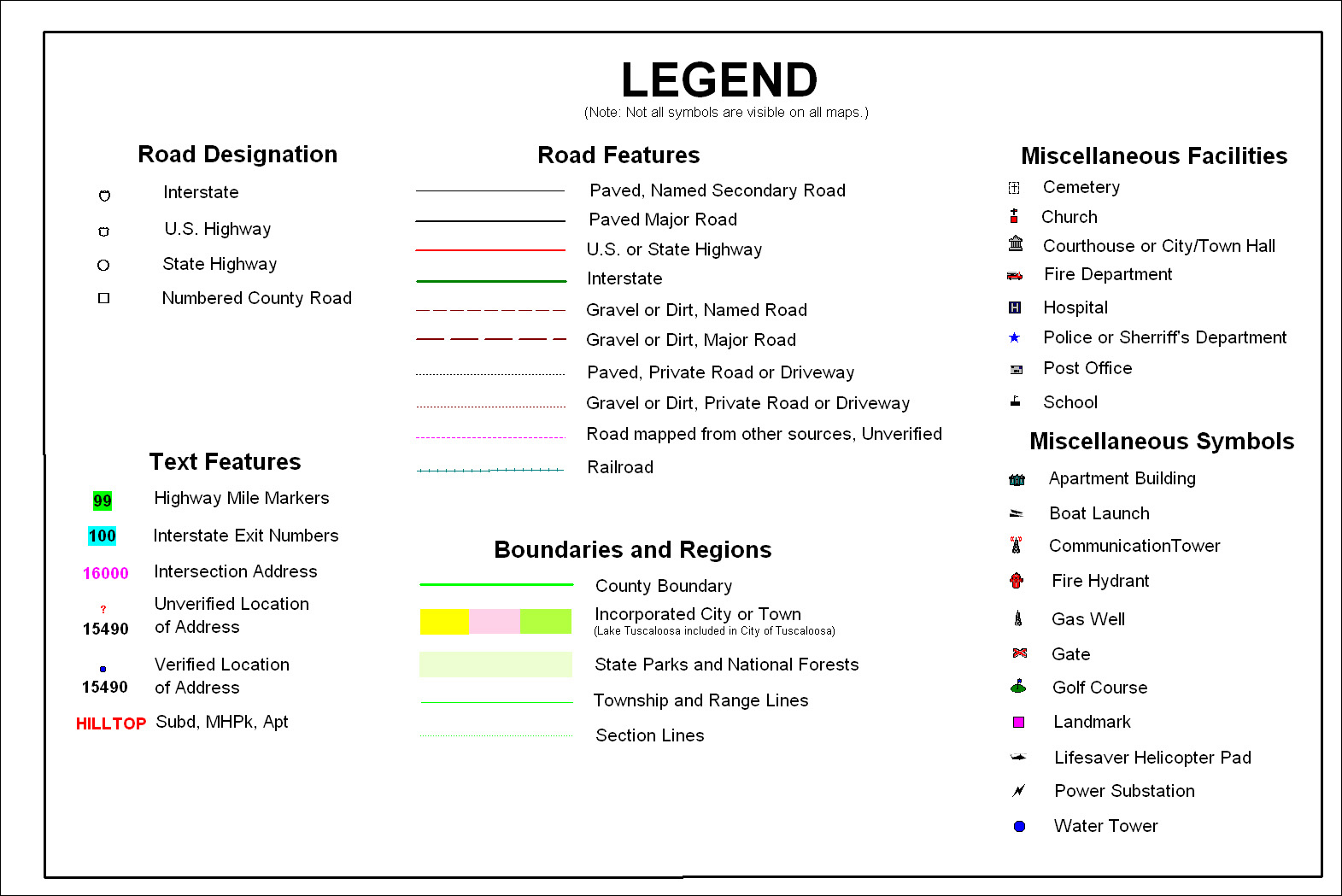
- Decoding Symbols: Maps use a vast array of symbols to represent different features. A small circle might indicate a city, a stylized tree might represent a forest, and a crossed hammer and pickaxe could signify a mining site. The legend clearly identifies each symbol and its corresponding real-world entity.
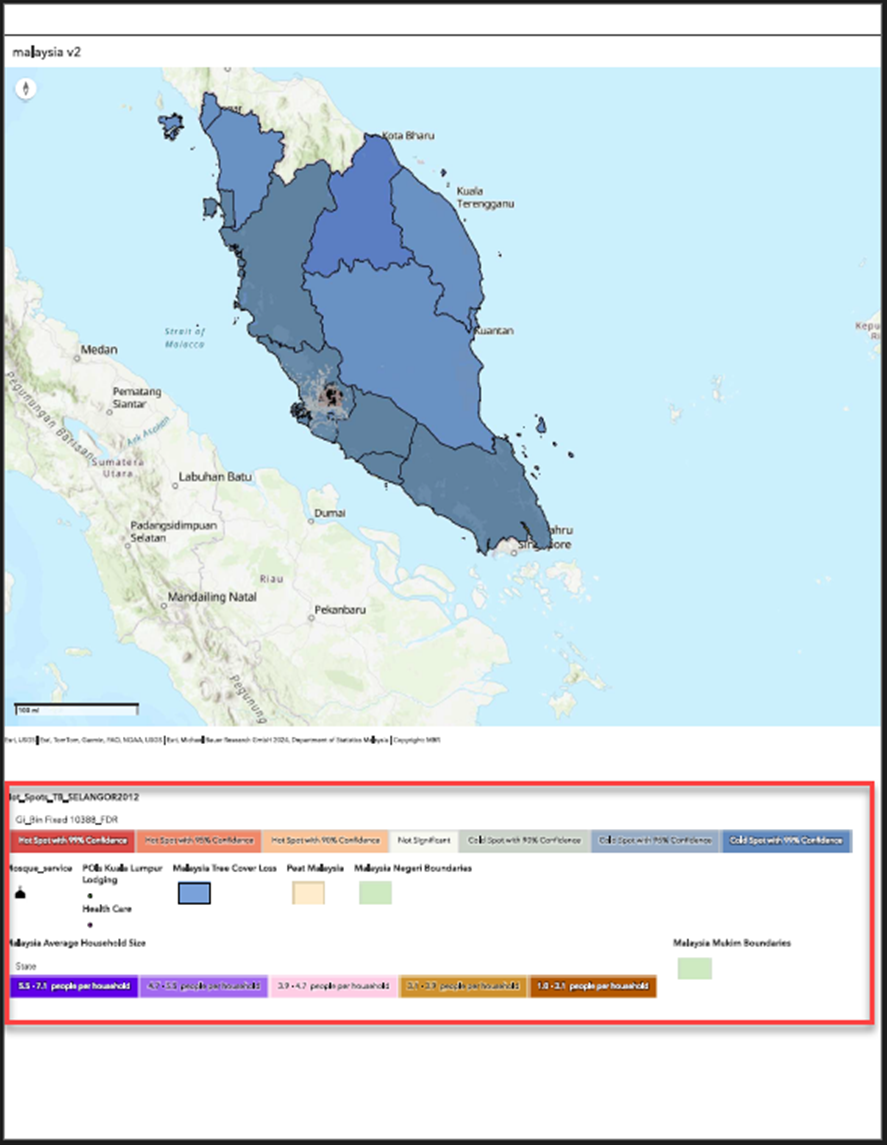
- Interpreting Colors and Patterns: Colors and patterns are often used to represent different types of land cover, elevation ranges, or political affiliations. For example, green might indicate forested areas, blue might represent water bodies, and different shades of brown could depict varying elevations. The legend explains the meaning behind each color and pattern, allowing you to understand the distribution and characteristics of different features.
- Understanding Line Styles: Lines on a map can represent roads, rivers, boundaries, contours, and more. The legend differentiates between these various line styles, clarifying whether a thin dashed line indicates a hiking trail or a thick solid line represents a major highway.
- Defining Scale and Orientation: While not always explicitly stated within the legend itself, the legend often works in conjunction with the scale bar and north arrow to provide a complete understanding of the map’s scope and orientation. Understanding the scale is crucial for estimating distances and sizes, while the north arrow establishes the map’s directional alignment.
- Providing Contextual Information: The legend can also provide additional information that enhances the map’s overall utility. This might include explanations of data sources, projection methods, or specific terms used on the map.
Elements of a Well-Designed Map Legend:
A good map legend is clear, concise, and easy to understand. It should contain the following key elements:
- A Clear The legend should be clearly labeled as "Legend" or "Key." This ensures that users can quickly identify its purpose.
- Symbol Representation: Each symbol used on the map should be accurately reproduced in the legend. This includes the shape, size, color, and orientation of the symbol.
- Descriptive Text: Each symbol should be accompanied by a clear and concise description of what it represents. The text should be unambiguous and avoid technical jargon where possible.
- Organization and Grouping: Similar symbols should be grouped together logically. For example, transportation features (roads, railways, airports) might be grouped in one section, while natural features (rivers, forests, mountains) might be grouped in another.
- Hierarchy: Important features should be emphasized through the use of larger symbols or bolder text. This helps users quickly identify the key elements of the map.
- Consistency: The symbols and terminology used in the legend should be consistent with those used throughout the map.
- Placement: The legend should be placed in a prominent location on the map, typically in a corner or along one edge. It should be easily accessible and not obscured by other map elements.
Types of Map Legends:
While the basic principles remain the same, map legends can vary in their complexity and format depending on the type of map and the information it is intended to convey. Here are a few common types of map legends:
- Point Symbol Legends: These legends describe the meaning of point symbols, such as cities, landmarks, or points of interest. Each symbol is usually paired with a short description.
- Line Symbol Legends: These legends explain the different types of lines used on the map, such as roads, rivers, boundaries, or contour lines. The legend typically includes a sample of each line style and a description of what it represents.
- Area Symbol Legends: These legends describe the meaning of different colors or patterns used to represent areas on the map, such as land cover types, elevation ranges, or political divisions. The legend usually includes a sample of each color or pattern and a description of what it represents.
- Quantitative Legends: These legends are used on thematic maps to represent quantitative data, such as population density, rainfall, or income levels. The legend typically uses a graduated color scheme or proportional symbols to represent different values.
- Picture Symbol Legends: These legends use small pictures or icons to represent features on the map. This is often used for tourist maps or maps designed for children.
Examples of Legend Entries:
Here are some examples of typical legend entries:
- Symbol: A small blue circle
- Description: City
- Symbol: A thick solid black line
- Description: Major Highway
- Symbol: A thin dashed brown line
- Description: Hiking Trail
- Symbol: Green shading
- Description: Forested Area
- Symbol: Light brown shading
- Description: Desert
- Symbol: A stylized tree
- Description: National Park
- Symbol: A crossed hammer and pickaxe
- Description: Mining Site
- Symbol: A scale bar
- Description: Represents the ratio between the distance on the map and the corresponding distance on the ground.
The Future of Map Legends:
As mapping technology continues to evolve, so too does the map legend. Interactive online maps often feature dynamic legends that allow users to toggle layers on and off, customize the appearance of symbols, and access additional information about map features. These dynamic legends provide a more engaging and interactive experience for map users.
Furthermore, augmented reality (AR) applications are beginning to integrate map legends directly into the real world. Users can point their smartphone or tablet at a physical location and see the corresponding map symbols and information overlaid on the live view. This has the potential to revolutionize the way we interact with maps and understand our surroundings.
Conclusion:
The map legend is a vital component of any map, providing the key to unlocking its hidden meanings and unlocking the power of spatial understanding. By clearly defining the symbols, colors, and patterns used on the map, the legend allows users to interpret the information presented and make informed decisions. Whether you’re navigating a city street, exploring a national park, or analyzing global trends, understanding the map legend is essential for effectively using and interpreting maps. So, next time you pick up a map, don’t overlook the legend – it’s the key to unlocking a world of information.