By admin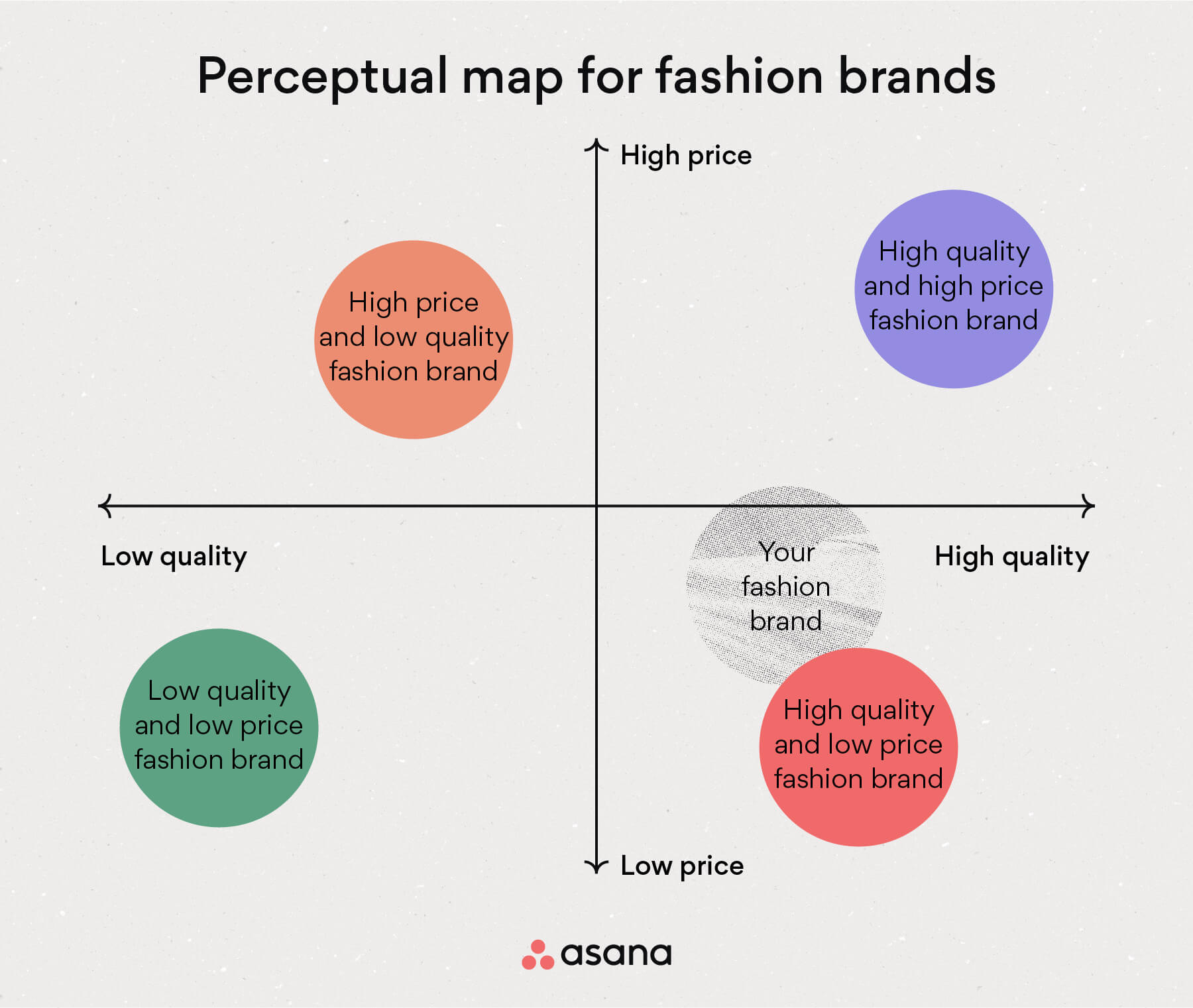
In the competitive world of marketing, understanding how your brand is perceived relative to your competitors is crucial for strategic decision-making. Enter the perceptual map, a powerful visual tool that allows marketers to plot brands, products, or services based on consumer perceptions of key attributes. This article delves into the intricacies of perceptual map marketing, exploring its benefits, creation process, applications, and potential pitfalls.
What is a Perceptual Map?
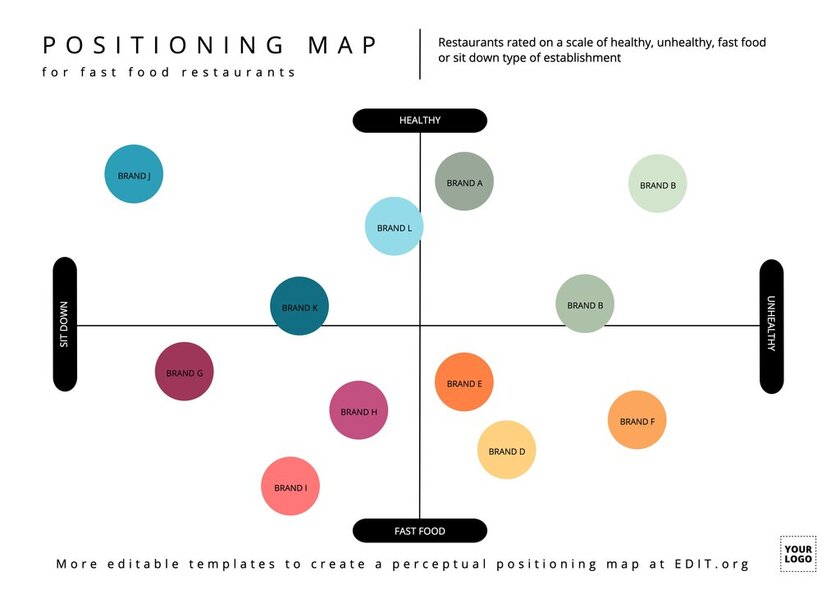
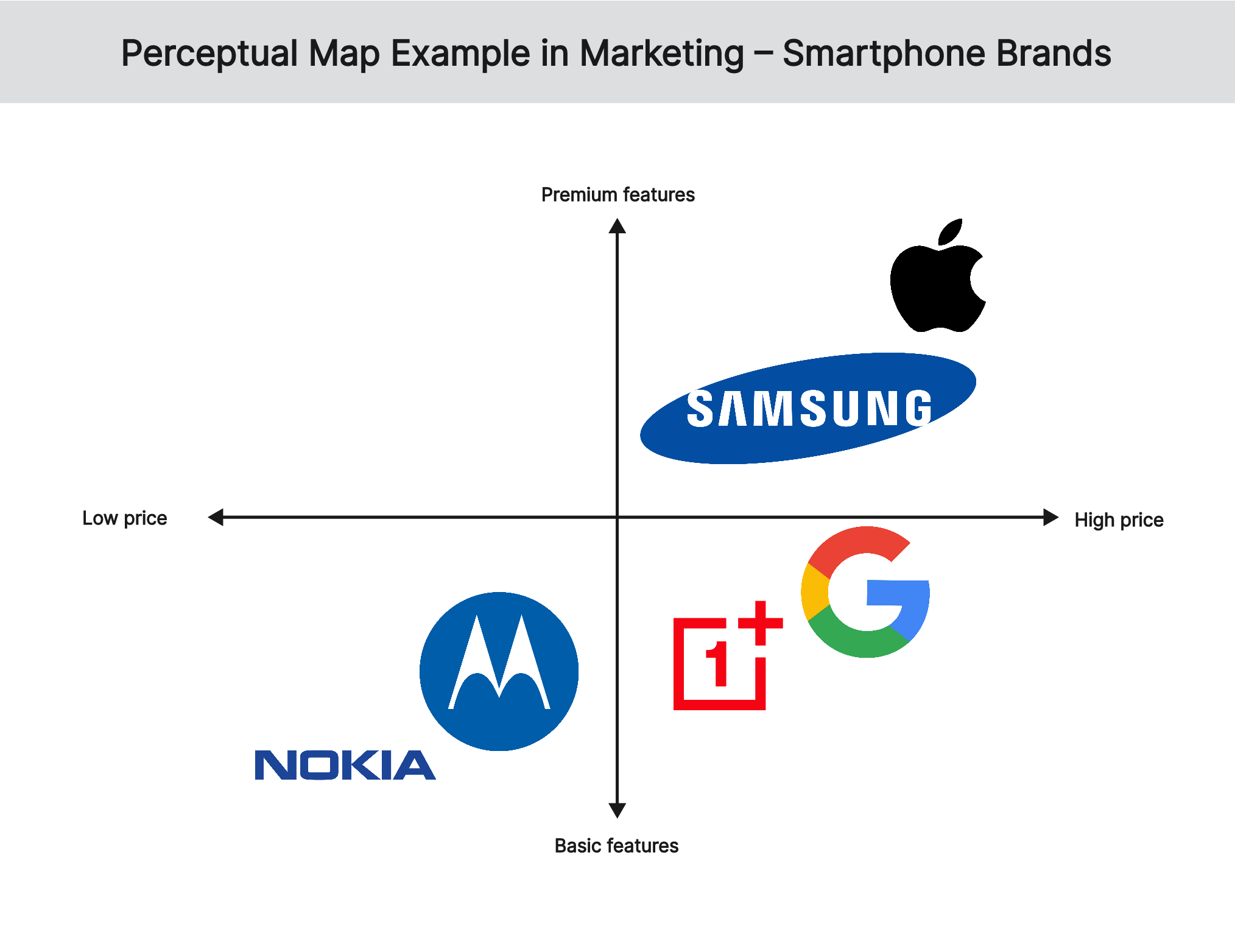
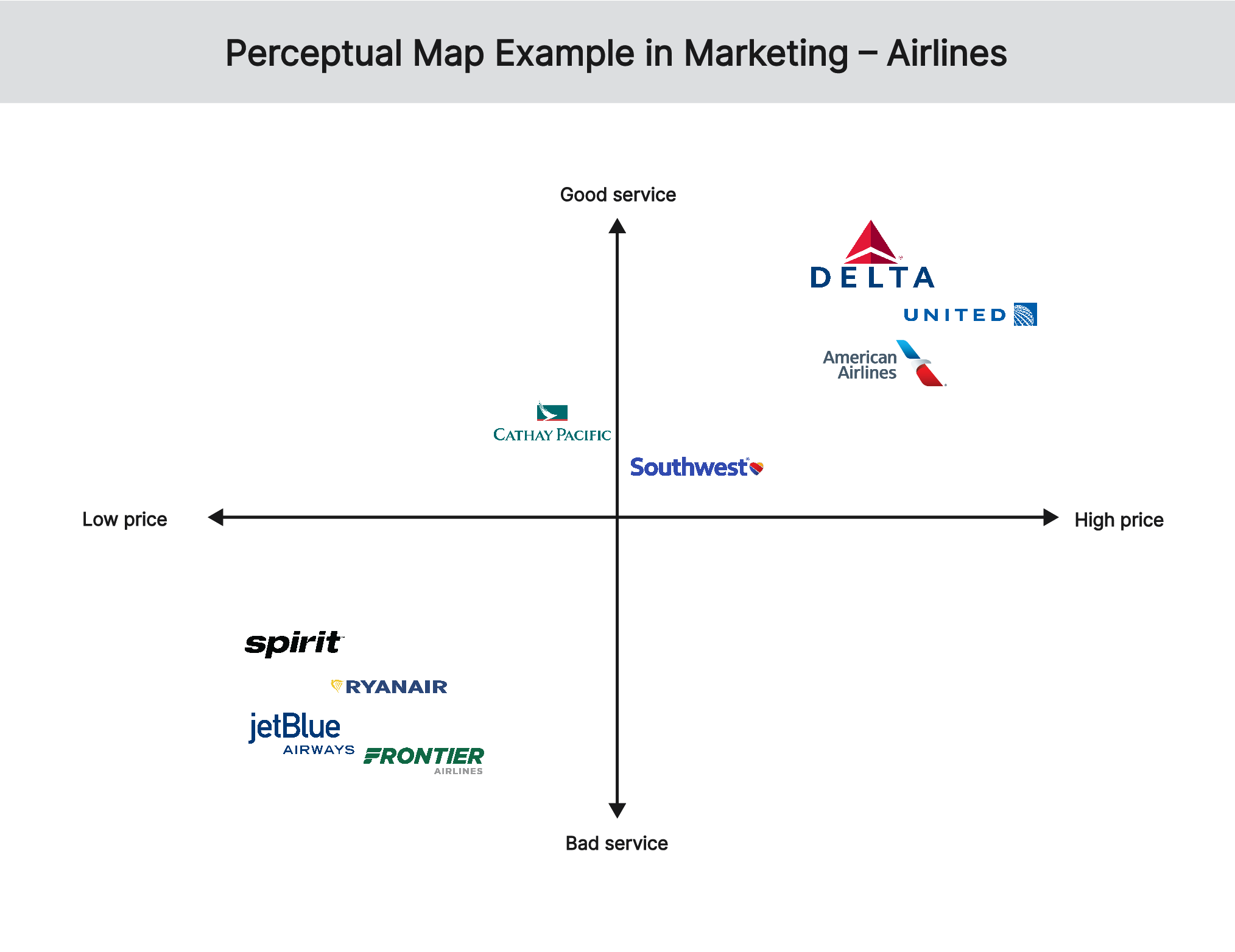
A perceptual map, also known as a positioning map or market map, is a two-dimensional (or occasionally three-dimensional) graph that visually represents the perceptions of consumers regarding different brands or products within a specific market. The axes of the map represent key attributes or characteristics that consumers consider important when making purchasing decisions. These attributes could be tangible, like price or quality, or intangible, like luxury or innovation.
The position of each brand on the map is determined by how consumers rate it on these attributes. Brands perceived to be similar will be clustered together, while brands perceived to be different will be positioned further apart. This visual representation provides valuable insights into the competitive landscape and helps marketers identify opportunities for differentiation and strategic positioning.
The Benefits of Using Perceptual Maps:
Perceptual maps offer a multitude of benefits for marketers seeking to gain a competitive edge:
-
Understanding Consumer Perception: At its core, a perceptual map provides a clear picture of how consumers perceive your brand relative to competitors. This understanding is invaluable for identifying strengths, weaknesses, and areas for improvement.
-
Identifying Market Gaps: By visually representing the market landscape, perceptual maps can reveal unmet consumer needs and underserved segments. This allows marketers to identify opportunities to launch new products, reposition existing brands, or target specific niche markets.
-
Competitive Analysis: Perceptual maps facilitate a comprehensive analysis of the competitive landscape. By observing the positioning of competitors, marketers can identify their strengths and weaknesses, understand their target audience, and develop strategies to effectively compete in the market.
-
Strategic Positioning: Perceptual maps provide a foundation for strategic positioning. By understanding how consumers perceive different brands, marketers can develop strategies to position their brand in a way that resonates with their target audience and differentiates them from the competition.
-
Product Development: Perceptual maps can inform product development decisions. By identifying unmet consumer needs and market gaps, marketers can guide the development of new products or features that cater to specific consumer preferences.
-
Marketing Communication Strategy: Perceptual maps can guide the development of effective marketing communication strategies. By understanding how consumers perceive the brand, marketers can craft messages that reinforce desired perceptions and address any negative perceptions.
-
Pricing Strategy: Perceptual maps can inform pricing decisions. By understanding how consumers perceive the price-quality relationship of different brands, marketers can set prices that are competitive and align with the perceived value of their product or service.
-
Monitoring Brand Performance: Perceptual maps can be used to monitor brand performance over time. By periodically creating new maps, marketers can track changes in consumer perceptions and assess the effectiveness of their marketing efforts.
Creating a Perceptual Map: A Step-by-Step Guide:
Creating an accurate and insightful perceptual map requires a systematic approach. Here’s a step-by-step guide:
-
Define the Market: Clearly define the market you want to analyze. This includes identifying the specific product category, target audience, and geographical region.
-
Identify Key Attributes: Determine the key attributes or characteristics that consumers consider important when making purchasing decisions in the defined market. This can be achieved through market research, surveys, focus groups, and analysis of consumer reviews. Common attributes include price, quality, features, convenience, brand image, and customer service.
-
Gather Data: Collect data on consumer perceptions of different brands or products on the identified attributes. This can be done through surveys, questionnaires, or online reviews. The data should be representative of the target audience and statistically significant.
-
Analyze the Data: Analyze the collected data to identify the underlying dimensions or factors that explain consumer perceptions. This can be done using statistical techniques such as factor analysis or multidimensional scaling (MDS).
-
Plot the Brands: Plot the brands or products on a two-dimensional (or three-dimensional) map based on the identified dimensions. The position of each brand should reflect its average rating on the underlying attributes.
-
Interpret the Map: Analyze the resulting map to identify patterns and trends. Look for clusters of brands, gaps in the market, and opportunities for differentiation.
-
Validate the Map: Validate the accuracy of the map by comparing it to other sources of information, such as market share data, sales figures, and customer feedback.
Applications of Perceptual Maps in Marketing:
Perceptual maps can be applied in various marketing scenarios:
-
Brand Repositioning: If a brand is perceived negatively or is losing market share, a perceptual map can help identify opportunities to reposition the brand in a more favorable light.
-
New Product Launch: A perceptual map can help identify unmet consumer needs and guide the development of new products that cater to specific market segments.
-
Competitive Analysis: A perceptual map can provide a comprehensive overview of the competitive landscape and help identify the strengths and weaknesses of competitors.
-
Marketing Communication: A perceptual map can inform the development of marketing communication strategies that reinforce desired brand perceptions and address any negative perceptions.
-
Pricing Strategy: A perceptual map can help determine the optimal pricing strategy for a product or service based on consumer perceptions of its value and quality.
Potential Pitfalls and Limitations:
While perceptual maps offer significant benefits, it’s important to be aware of their potential pitfalls and limitations:
-
Subjectivity: Perceptual maps are based on consumer perceptions, which can be subjective and influenced by personal experiences, biases, and emotions.
-
Oversimplification: Perceptual maps typically represent consumer perceptions in two dimensions, which can oversimplify the complex reality of consumer decision-making.
-
Data Accuracy: The accuracy of a perceptual map depends on the quality and representativeness of the data used to create it. Biased or incomplete data can lead to inaccurate conclusions.
-
Interpretation Challenges: Interpreting a perceptual map requires careful consideration and a deep understanding of the market and consumer behavior. Misinterpretation can lead to flawed strategic decisions.
-
Static Representation: A perceptual map represents consumer perceptions at a specific point in time. Consumer perceptions can change over time due to market trends, competitive activities, and other factors.
Conclusion:
Perceptual map marketing is a powerful tool for understanding consumer perceptions, analyzing the competitive landscape, and making strategic marketing decisions. By visualizing the relative positioning of brands, products, or services based on key attributes, marketers can identify opportunities for differentiation, product development, and effective communication. While it’s important to be aware of the potential pitfalls and limitations of perceptual maps, their benefits in providing strategic insights and guiding marketing efforts are undeniable. By embracing this visual tool, marketers can navigate the complex market landscape with greater clarity and achieve a sustainable competitive advantage. Ultimately, a well-constructed and carefully interpreted perceptual map can be the key to unlocking a brand’s true potential and achieving lasting success.