By admin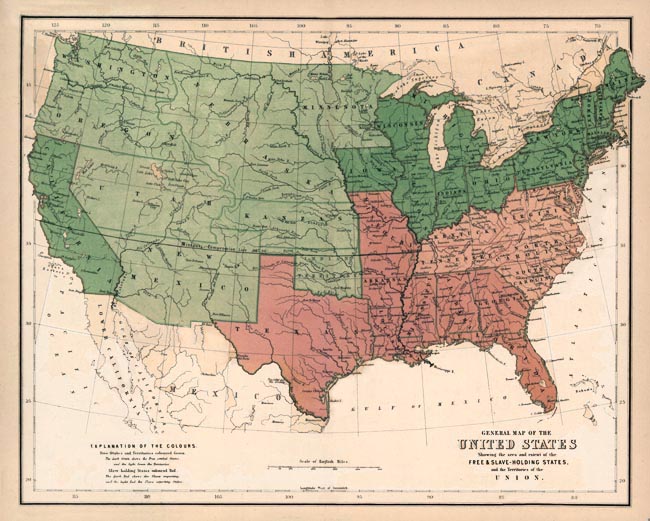
Slave states maps, seemingly simple geographic representations, are far more than lines and colors delineating regions. They are potent visual reminders of a dark and complex chapter in American history, a period defined by the brutal institution of chattel slavery and its profound impact on the nation’s social, economic, and political landscape. Examining these maps, understanding their evolution, and analyzing the information they convey allows us to confront the realities of slavery, its role in shaping the United States, and its lasting legacy.
The Anatomy of a Slave States Map:
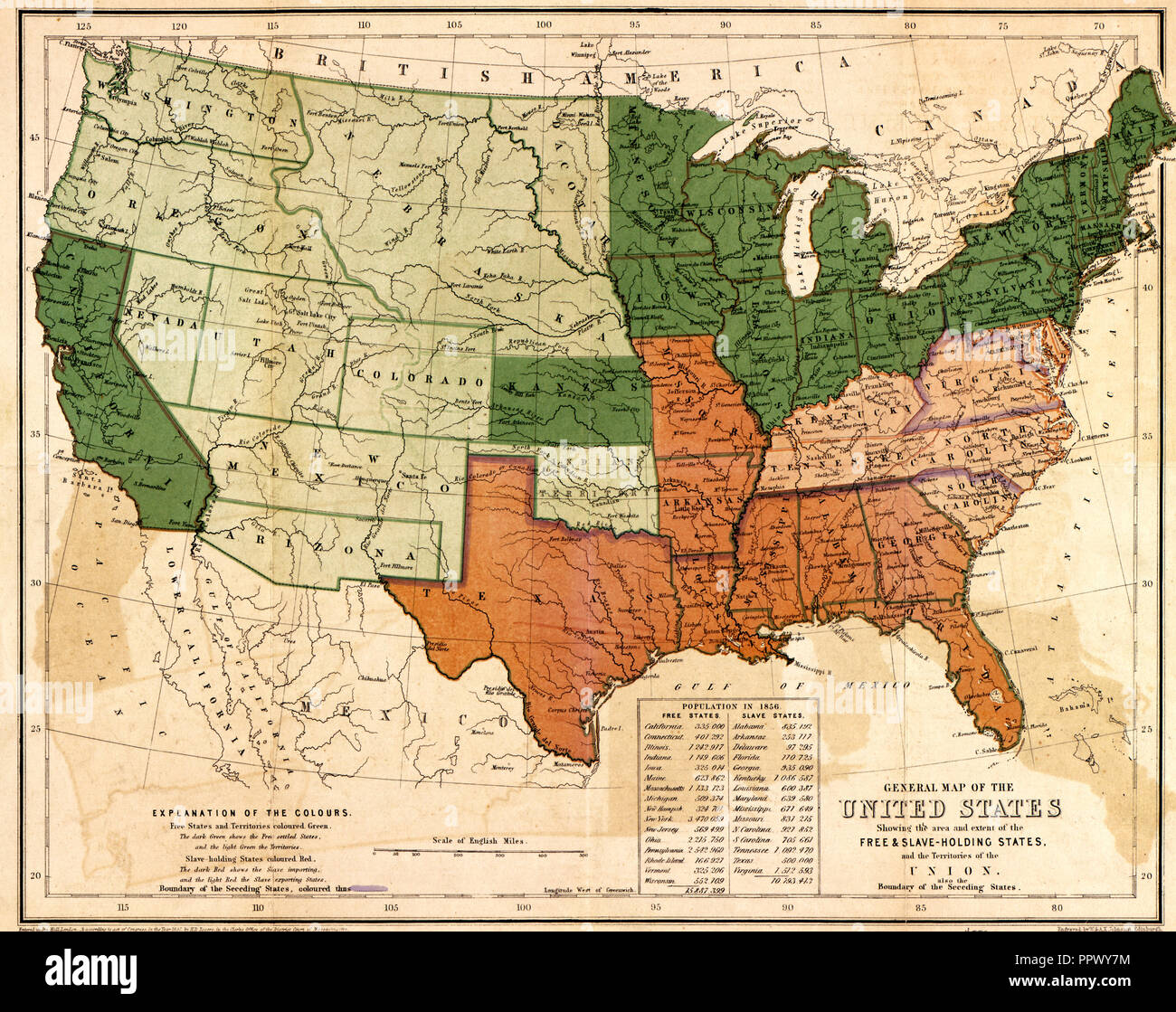
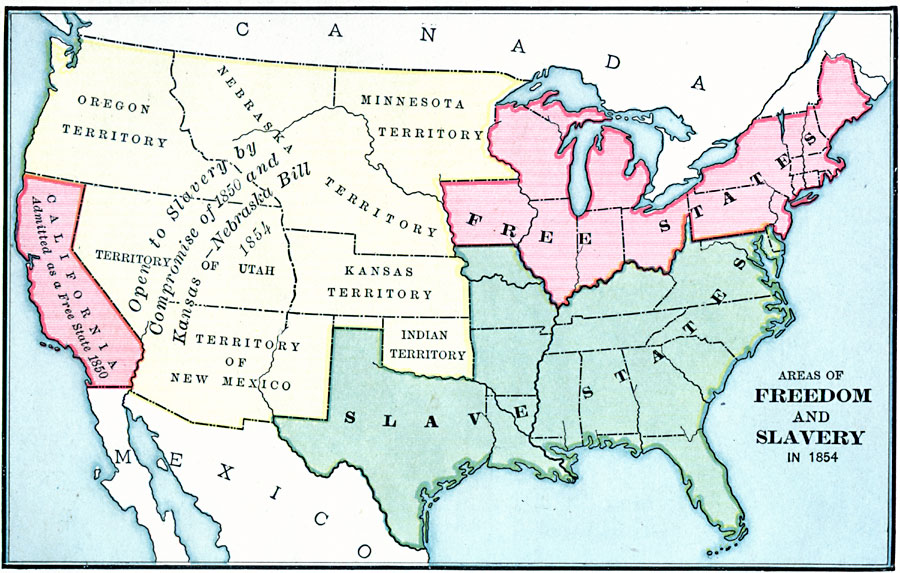
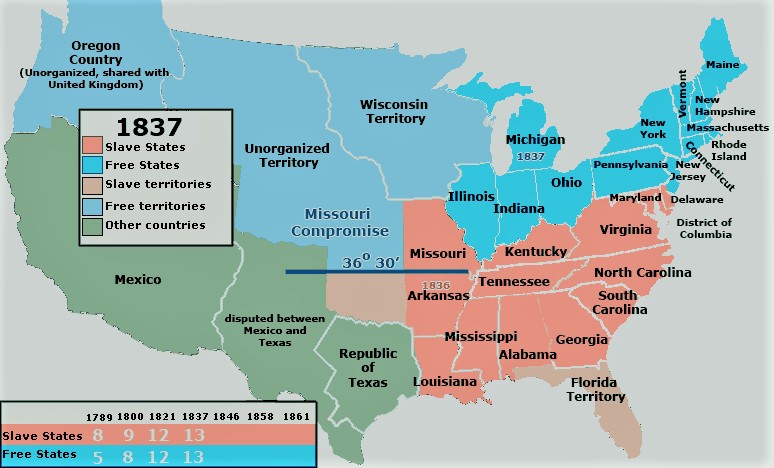
At their core, slave states maps depict the states within the United States that legally permitted the ownership and forced labor of enslaved people. Typically, they employ a color-coding system, distinguishing slave states from free states (those that had abolished or never permitted slavery) and territories (regions not yet admitted as states, often with varying degrees of allowance for slavery).
However, a deeper look reveals the nuances embedded within these maps. Beyond the simple identification of slave states, they can provide insights into:
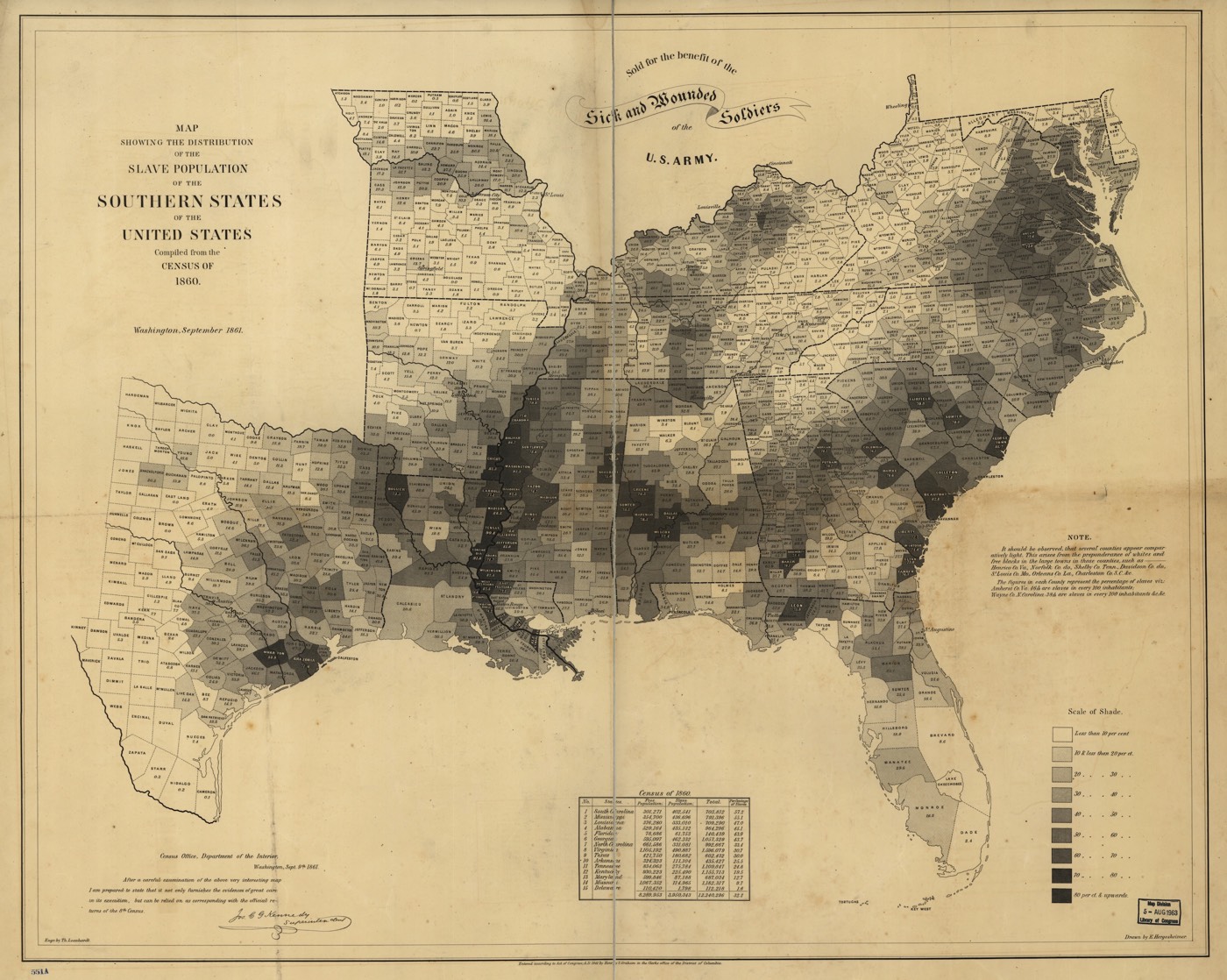
- Geographic Distribution: The concentration of slavery varied considerably across the South. Maps can highlight the "Cotton Belt," encompassing states like Mississippi, Alabama, and Louisiana, where the intensive cultivation of cotton fueled the demand for enslaved labor. They also show the presence of slavery in states like Maryland, Delaware, and Kentucky, where the economic dependence on enslaved labor was less pronounced and the practice faced growing opposition.
- Economic Activity: The maps often reflect the economic drivers behind slavery. They can be overlaid with information about agricultural production, particularly the cultivation of cash crops like cotton, tobacco, rice, and sugar. This allows us to visualize the direct correlation between the economic prosperity of the South and the exploitation of enslaved people.
- Population Density: Population data, often integrated into or accompanying the maps, reveals the demographic impact of slavery. High concentrations of enslaved people in specific regions indicate the scale of the institution and its influence on the social fabric. This also highlights the fear and oppression faced by enslaved communities and the challenges they encountered in resisting the system.
- Political Boundaries: Slave states maps were particularly crucial during periods of territorial expansion and political debate. The Missouri Compromise of 1820, the Compromise of 1850, and the Kansas-Nebraska Act of 1854 all involved redrawing boundaries and determining whether newly acquired territories would be admitted as slave or free states. Maps illustrating these agreements are vital for understanding the escalating tensions that ultimately led to the Civil War.
- Changing Legal Status: Some maps chart the gradual decline of slavery in certain states through legislation or emancipation efforts. These maps can depict the gradual abolition of slavery in states like Pennsylvania and New York, demonstrating the progress of the abolitionist movement in the North.
The Evolution of Slave States Maps:
The representation of slave states on maps evolved alongside the political and social context of the time. Early maps often simply indicated the presence of slavery without delving into the specifics. As the debate over slavery intensified, maps became increasingly sophisticated and politically charged.
- Early American Maps: In the early years of the United States, maps often reflected a pragmatic acceptance of slavery as a necessary evil. They primarily focused on geographical features and state boundaries, with little emphasis on the social or moral implications of slavery.
- Antebellum Maps: The antebellum period (roughly 1815-1860) witnessed a proliferation of maps designed to influence public opinion on the issue of slavery. Abolitionist groups produced maps highlighting the horrors of slavery and the moral imperative to end it. Pro-slavery advocates, on the other hand, created maps emphasizing the economic benefits of slavery and the supposed inferiority of the African race. These maps often used biased data and inflammatory rhetoric to advance their respective agendas.
- Civil War Maps: During the Civil War, maps became essential tools for military strategy and public understanding of the conflict. They depicted the geographical divide between the Union and the Confederacy, highlighting the key battlegrounds and the strategic importance of controlling specific territories. These maps often included information on troop movements, fortifications, and transportation routes.
- Post-Civil War Maps: Following the abolition of slavery, maps began to reflect the changing demographics and social landscape of the United States. They focused on Reconstruction efforts, the integration of formerly enslaved people into society, and the ongoing struggle for racial equality.
The Significance of Studying Slave States Maps:
Studying slave states maps is essential for a comprehensive understanding of American history for several reasons:
- Visualizing the Scale of Slavery: The maps provide a powerful visual representation of the vast geographical reach of slavery. They demonstrate that slavery was not confined to a few isolated states but rather permeated the entire Southern economy and society. This visual impact is far more compelling than simply reading about the statistics.
- Understanding the Economic Drivers: By linking the distribution of slavery to agricultural production, the maps illuminate the economic incentives that perpetuated the institution. They reveal how the demand for cash crops like cotton and tobacco fueled the demand for enslaved labor, creating a vicious cycle of exploitation and oppression.
- Recognizing the Political Implications: The maps demonstrate the profound political implications of slavery. They highlight the contentious debates over territorial expansion, statehood, and the balance of power between slave and free states. These debates ultimately led to the Civil War, a conflict that reshaped the nation’s identity and political landscape.
- Challenging Historical Narratives: Examining slave states maps can help us challenge sanitized or romanticized versions of American history. They force us to confront the brutal realities of slavery and its lasting impact on African Americans and the nation as a whole.
- Promoting Empathy and Understanding: By visualizing the experiences of enslaved people and the challenges they faced, the maps can foster empathy and understanding. They remind us of the importance of remembering this dark chapter in American history and working towards a more just and equitable future.
Beyond the Classroom: The Ongoing Relevance:
The study of slave states maps extends beyond the academic realm. Their relevance continues to resonate in contemporary discussions about race, inequality, and social justice.
- Understanding Systemic Racism: The legacy of slavery continues to shape American society today. By understanding the historical roots of racial inequality, we can better address the systemic barriers that prevent African Americans from achieving full equality.
- Promoting Reconciliation: Confronting the history of slavery is essential for promoting reconciliation and healing. Acknowledging the injustices of the past can help us build a more inclusive and just society.
- Combating Historical Revisionism: In an era of misinformation and historical revisionism, it is crucial to rely on accurate and evidence-based historical accounts. Slave states maps provide a valuable tool for challenging distorted narratives and ensuring that the truth about slavery is not forgotten.
- Informing Policy Debates: The lessons learned from studying slavery can inform contemporary policy debates on issues such as reparations, affirmative action, and criminal justice reform. By understanding the historical context of these issues, we can make more informed decisions about how to address them.
In conclusion, slave states maps are more than just cartographic representations; they are powerful historical documents that offer invaluable insights into the complexities of slavery and its enduring legacy. By studying these maps, we can gain a deeper understanding of American history, challenge historical narratives, promote empathy and understanding, and inform contemporary debates about race, inequality, and social justice. These maps serve as a constant reminder of the importance of remembering the past and working towards a more just and equitable future for all. They urge us to unveil the chains of the past and confront the uncomfortable truths that have shaped the nation we know today.