By admin
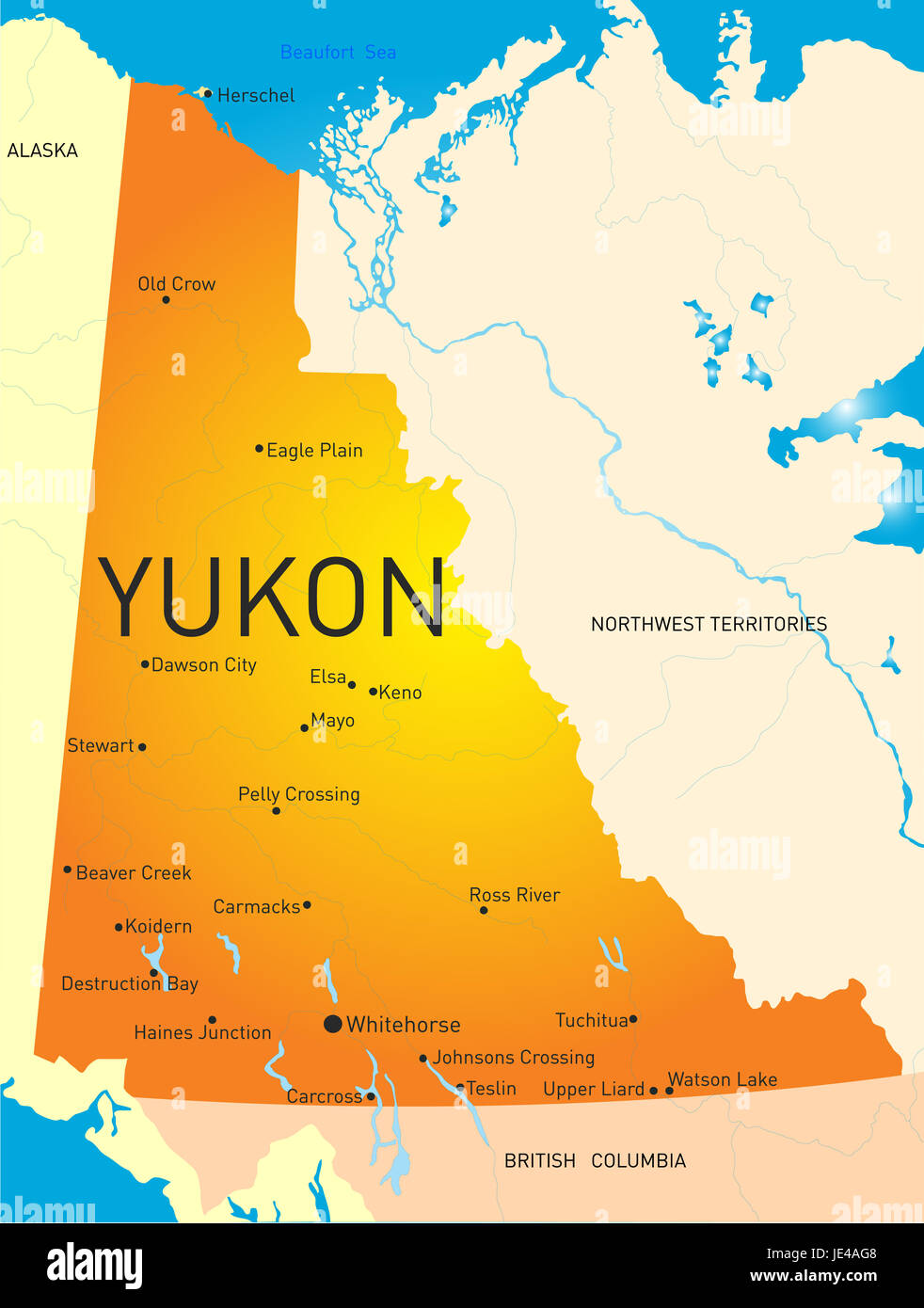
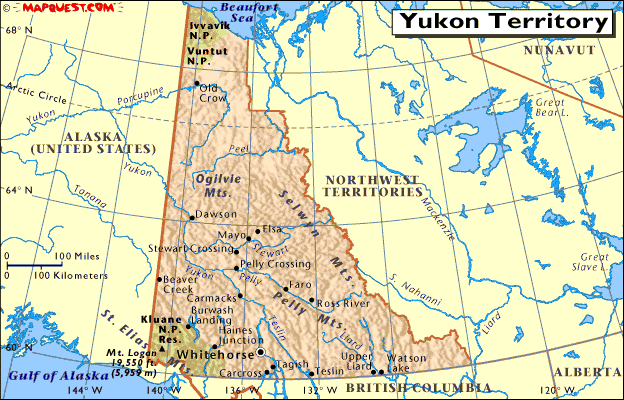
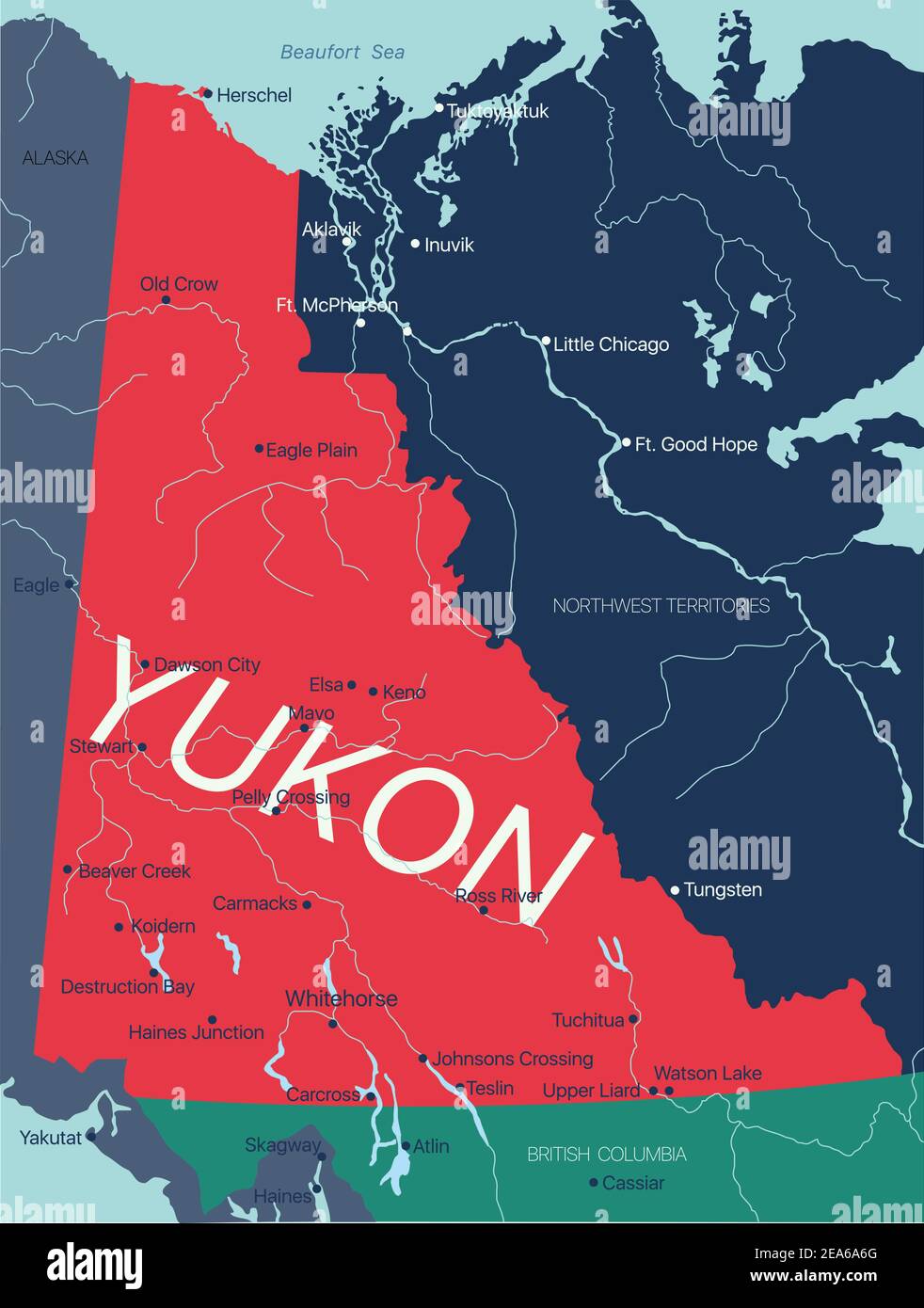
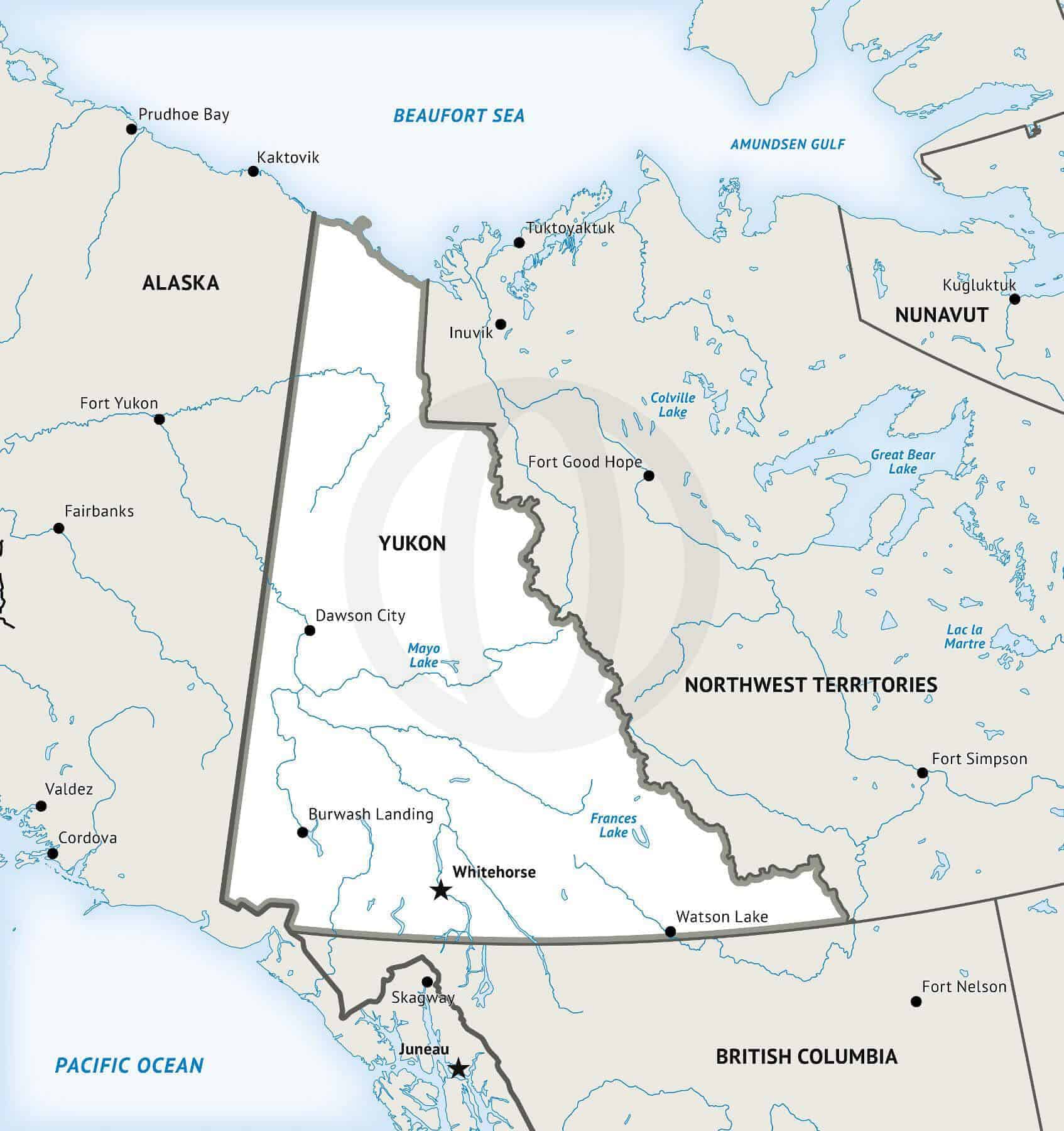
The Yukon Territory, nestled in the northwestern corner of Canada, is a land of legendary tales, untamed wilderness, and breathtaking beauty. A glance at a map of the Yukon isn’t just about locating towns and highways; it’s about understanding the very essence of this vast and sparsely populated territory. The map unveils a story of geological history, ecological diversity, and human interaction with a landscape that demands respect and inspires awe.
A Territory Defined by its Geography:
The sheer scale of the Yukon is immediately apparent on any map. Covering an area of 482,443 square kilometers (186,272 square miles), it’s larger than California yet boasts a population of only around 40,000 people. This disparity highlights the dominance of nature in the Yukon’s identity. The map is a visual representation of this dominance, showcasing a landscape sculpted by powerful forces over millennia.
Mountains that Pierce the Sky:
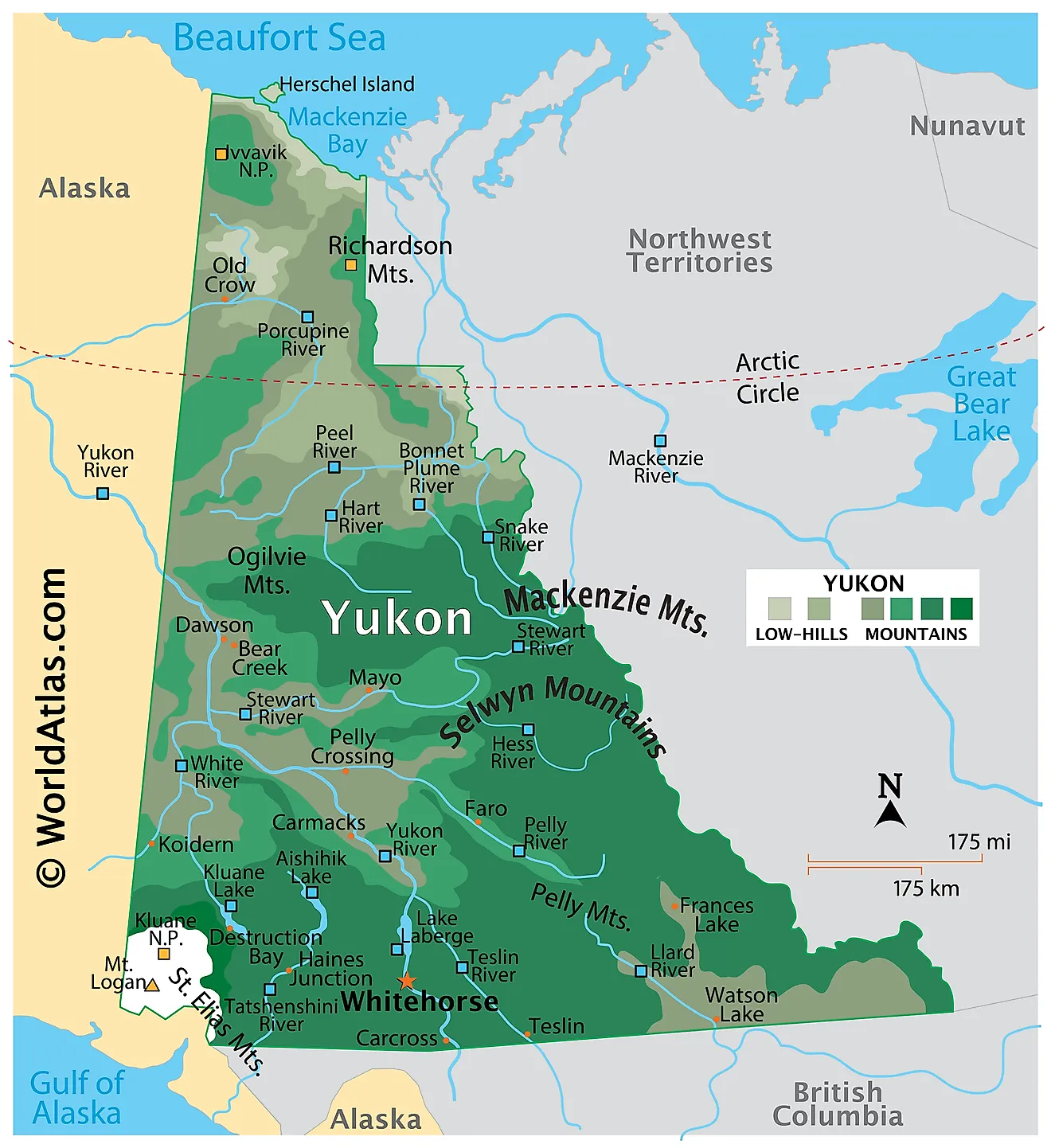
The most prominent feature on the Yukon map is the vast network of mountains. The Saint Elias Mountains, forming the territory’s southwestern border with Alaska, are a formidable presence. They are home to Mount Logan, Canada’s highest peak, soaring to a staggering 5,959 meters (19,551 feet). This mountainous region is a result of tectonic activity, where the Pacific Plate subducts beneath the North American Plate, creating the dramatic uplift. The map illustrates the sheer ruggedness of this terrain, dotted with glaciers, icefields, and deep valleys carved by ancient rivers.
Further east, the Ogilvie Mountains stretch across the central Yukon, adding another layer of complexity to the topography. These mountains, while not as high as the Saint Elias, contribute significantly to the drainage patterns of the territory, channeling water into the major river systems. The map reveals how the mountain ranges influence the climate, creating rain shadows and contributing to the diverse microclimates found throughout the Yukon.
Rivers: The Lifeblood of the Territory:
Rivers are integral to understanding the Yukon’s geography and history. The Yukon River, the namesake of the territory, is the most significant. Its course, clearly visible on the map, stretches for over 3,190 kilometers (1,980 miles), flowing northwest from British Columbia, through the Yukon, and into Alaska before emptying into the Bering Sea. This river was the primary artery of transportation during the Klondike Gold Rush, connecting remote communities and facilitating the movement of prospectors and supplies. The map shows the numerous tributaries that feed into the Yukon River, creating a vast network of waterways that support a rich ecosystem.
Other notable rivers depicted on the map include the Peel River, flowing north into the Mackenzie River Delta, and the Pelly River, another major tributary of the Yukon River. These rivers, along with countless smaller streams and creeks, are vital for transportation, sustenance, and recreation. They are home to various fish species, including salmon, grayling, and trout, providing a critical food source for both humans and wildlife.
Lakes: Jewels Scattered Across the Landscape:
Interspersed among the mountains and rivers are numerous lakes, appearing as shimmering jewels on the map. Kluane Lake, located in the southwest corner of the territory within Kluane National Park and Reserve, is the largest lake entirely within the Yukon. Its pristine waters, fed by glacial meltwater, reflect the surrounding mountains, creating stunning vistas. The map highlights the lake’s importance as a habitat for various bird species, including trumpeter swans and arctic terns.
Other significant lakes marked on the map include Teslin Lake, stretching across the border with British Columbia, and Laberge Lake, famously immortalized in Robert Service’s poem "The Cremation of Sam McGee." These lakes, formed by glacial activity and river impoundments, are vital for recreation, providing opportunities for boating, fishing, and kayaking.
Climate and Vegetation Zones: A Reflection of Latitude and Altitude:
The map, combined with an understanding of the Yukon’s climate, reveals the distinct vegetation zones that characterize the territory. The southern Yukon, influenced by milder Pacific air masses, is characterized by boreal forests dominated by white spruce, black spruce, and lodgepole pine. As you move north, towards the Arctic Circle, the treeline gradually recedes, giving way to tundra landscapes. The map shows the transition from dense forests to open woodlands and finally to the treeless plains of the Arctic.
The climate, as implied by the vegetation zones, is subarctic, with long, cold winters and short, mild summers. The map’s depiction of latitude explains why the Yukon experiences extended periods of darkness in winter and nearly continuous daylight in summer. This extreme variation in daylight hours has a profound impact on the flora and fauna of the region.
Human Imprint: Towns, Highways, and Historic Sites:
Despite its vast wilderness, the Yukon is not devoid of human presence. The map reveals the locations of towns and settlements, most of which are concentrated along the major river valleys and highways. Whitehorse, the capital city, is the largest urban center, serving as a hub for transportation, commerce, and government. Other notable towns include Dawson City, the heart of the Klondike Gold Rush, Watson Lake, famous for its Sign Post Forest, and Haines Junction, the gateway to Kluane National Park.
The Alaska Highway, a vital transportation corridor, is prominently displayed on the map. This highway, built during World War II, connects the Yukon to Alaska and the rest of North America, facilitating the movement of goods and people. The map also shows other highways, such as the Klondike Highway and the Campbell Highway, providing access to various regions of the territory.
Beyond the towns and highways, the map reveals the locations of historical sites, reminders of the Yukon’s rich past. Kluane National Park and Reserve, a UNESCO World Heritage Site, protects a vast wilderness area, including glaciers, mountains, and wildlife habitat. Tr’ochëk National Historic Site, located in Dawson City, preserves the cultural heritage of the Tr’ondëk Hwëch’in First Nation. These sites, marked on the map, offer insights into the history and culture of the Yukon.
The Map as a Tool for Understanding and Appreciation:
In conclusion, a map of the Yukon Territory is more than just a navigational tool; it’s a window into the soul of this remarkable land. It reveals the geological forces that shaped the landscape, the ecological diversity that thrives within it, and the human stories that have unfolded across its vast expanse. By studying the map, we can gain a deeper understanding of the Yukon’s unique character and appreciate the challenges and opportunities that come with living in such a remote and beautiful corner of the world. From the towering peaks of the Saint Elias Mountains to the winding course of the Yukon River, the map unveils a territory that continues to captivate and inspire. The map encourages exploration, both physical and intellectual, urging us to delve deeper into the story of the Yukon. It is a powerful reminder of the importance of preserving this natural and cultural heritage for future generations.