By admin
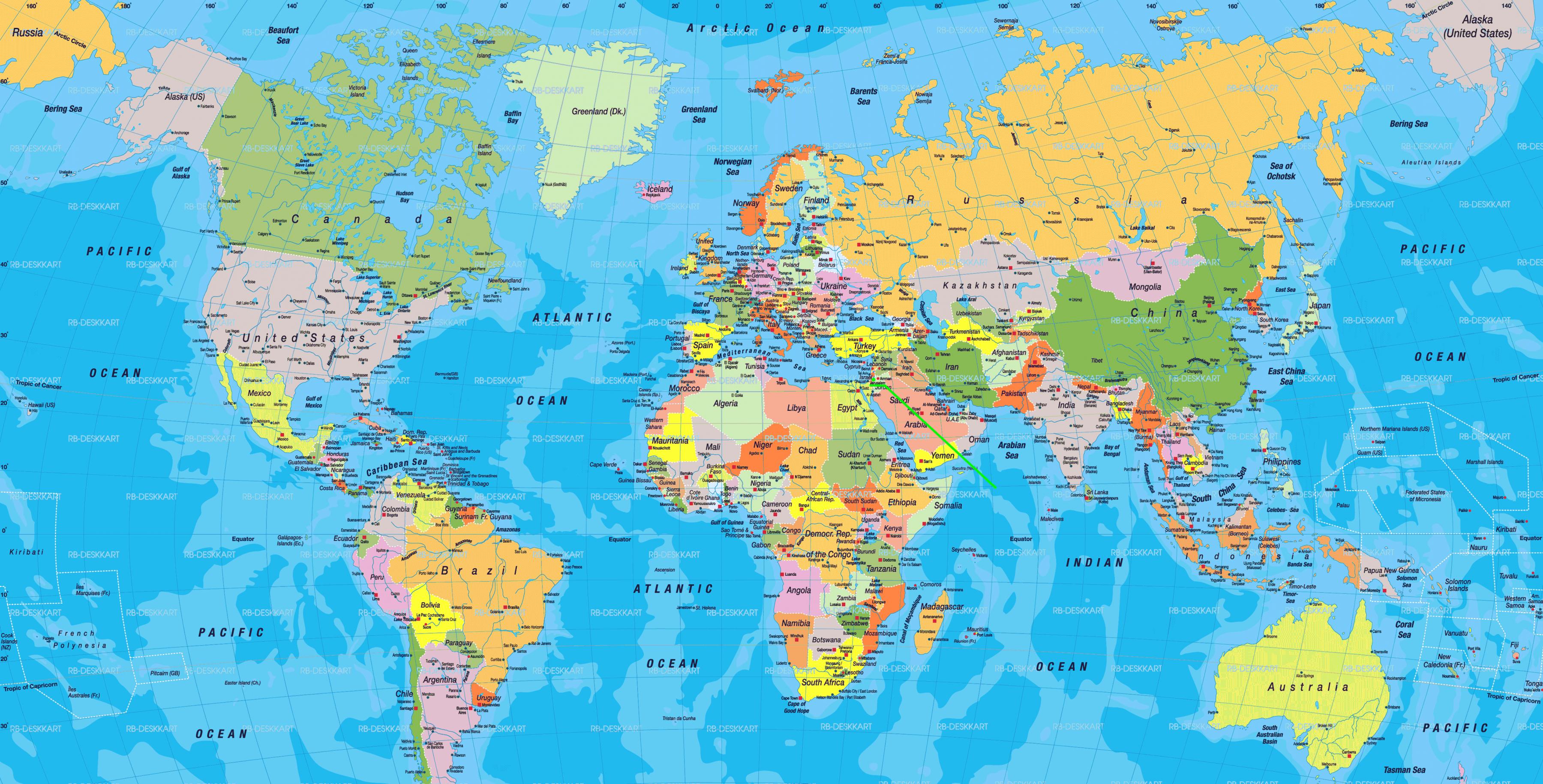
Jerusalem. The very name resonates with history, faith, and conflict. This ancient city, nestled in the Judean Hills, is far more than a geographical location; it is a living tapestry woven with threads of religion, politics, and culture, a place that has captivated, inspired, and ignited passions for millennia. Its significance extends far beyond its modest size, placing it firmly on the world map as a focal point for global attention and a symbol of enduring human aspiration and struggle.
A Crossroads of Civilizations:
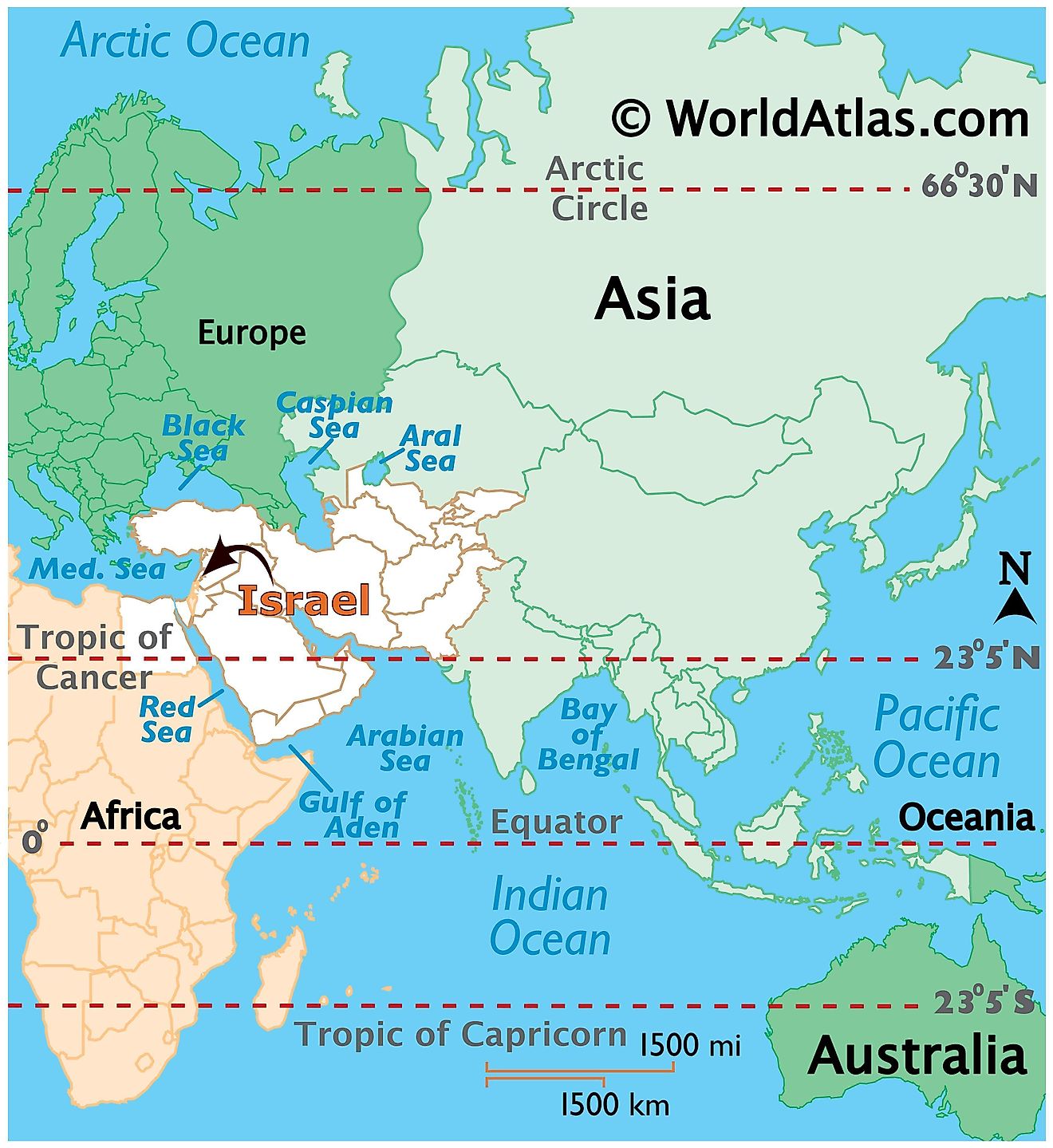
Jerusalem’s strategic location, perched atop a plateau, has made it a coveted prize throughout history. Situated at the crossroads of Asia, Africa, and Europe, it has served as a vital trade route and a natural stronghold. This geographical importance has attracted a succession of empires and civilizations, each leaving its indelible mark on the city’s character.
From its origins as a Canaanite settlement, Jerusalem has witnessed the rise and fall of empires. King David established it as the capital of the united Kingdom of Israel in the 10th century BCE, solidifying its religious and political importance. The subsequent construction of the First Temple by King Solomon cemented Jerusalem’s position as the spiritual center of Judaism.
Over the centuries, Jerusalem has been conquered by the Babylonians, Persians, Greeks, Romans, Byzantines, Arabs, Crusaders, Mamluks, Ottomans, and the British, each leaving behind layers of cultural and architectural influence. The archaeological record is a testament to this rich and tumultuous past, revealing a palimpsest of civilizations that have shaped the city’s identity.
The Holy City: A Nexus of Faith:
Jerusalem holds unparalleled religious significance for Judaism, Christianity, and Islam, earning it the title of "The Holy City." This shared sanctity has been a source of both inspiration and conflict, shaping the city’s character and contributing to its enduring global importance.
For Judaism, Jerusalem is the holiest city in the world, the spiritual and historical heart of the Jewish people. The Temple Mount, or Haram al-Sharif as it is known to Muslims, is the site of the First and Second Temples, the most sacred places in Judaism. The Western Wall, a remnant of the Second Temple, is a focal point for Jewish prayer and pilgrimage, symbolizing the enduring connection between the Jewish people and their ancestral homeland.
For Christianity, Jerusalem is revered as the place where Jesus Christ was crucified, buried, and resurrected. The Church of the Holy Sepulchre, built over the site of the crucifixion and resurrection, is one of the most sacred Christian sites in the world, attracting pilgrims from across the globe. The Via Dolorosa, the path Jesus walked to his crucifixion, is a poignant reminder of his suffering and sacrifice.
For Islam, Jerusalem is the third holiest city after Mecca and Medina. The Dome of the Rock, a magnificent Islamic shrine built on the Temple Mount, commemorates the Prophet Muhammad’s Night Journey to Jerusalem and his ascent to heaven. The Al-Aqsa Mosque, also located on the Temple Mount, is a significant place of worship for Muslims worldwide.
This convergence of religious significance has transformed Jerusalem into a global pilgrimage site, attracting millions of visitors each year seeking spiritual connection and historical understanding. The city’s religious landmarks serve as powerful symbols of faith, hope, and reconciliation, but also as reminders of the deep-seated divisions that continue to shape the region.
A City Divided: Political and Territorial Disputes:
Jerusalem’s religious significance is intertwined with its complex political landscape. The city has been a focal point of the Israeli-Palestinian conflict for decades, with both sides claiming it as their capital. This dispute has fueled violence, instability, and diplomatic tensions, placing Jerusalem at the heart of international debates.
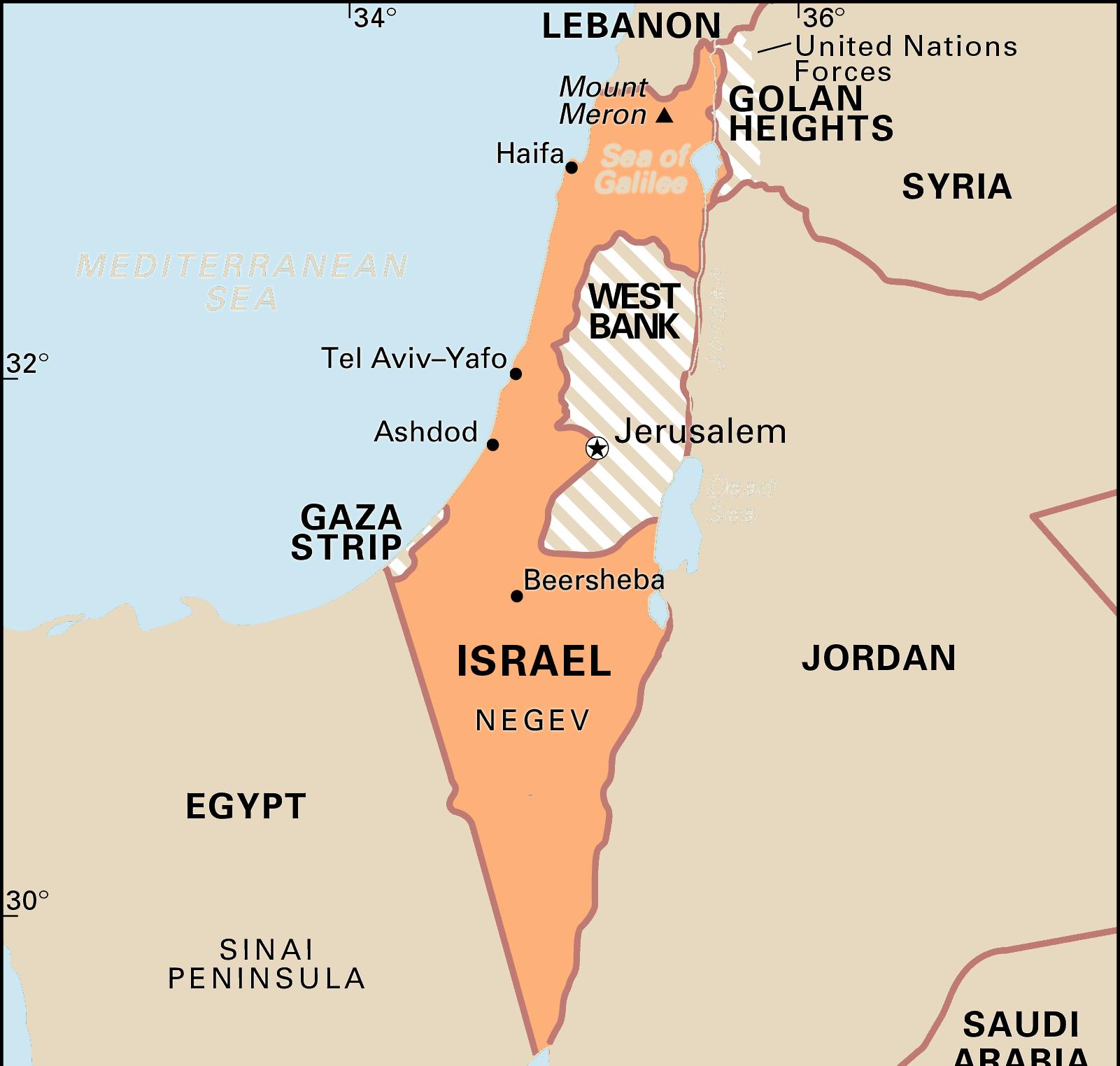
Following the 1948 Arab-Israeli War, Jerusalem was divided between Israel and Jordan. Israel controlled West Jerusalem, while Jordan controlled East Jerusalem, including the Old City and its holy sites. In the 1967 Six-Day War, Israel captured East Jerusalem and subsequently annexed it, declaring the entire city as its unified and eternal capital.
This annexation has never been recognized by the international community, which considers East Jerusalem to be occupied territory. The Palestinians claim East Jerusalem as the capital of a future Palestinian state, a position supported by many countries and international organizations.
The status of Jerusalem remains one of the most contentious issues in the Israeli-Palestinian conflict. Attempts to resolve the dispute have been fraught with challenges, as any solution must address the deeply rooted religious, historical, and political claims of both sides. The ongoing conflict over Jerusalem underscores its significance as a symbol of national identity, religious belonging, and territorial control.
A Modern Metropolis: Growth and Development:
Despite its ancient roots and enduring religious significance, Jerusalem is also a vibrant modern metropolis, experiencing rapid growth and development. The city is home to a diverse population of Jews, Muslims, and Christians, each contributing to its unique cultural mosaic.
Jerusalem’s economy is driven by tourism, government, and higher education. The city is home to several universities, research institutions, and cultural centers, attracting students, scholars, and artists from around the world. The tourism industry thrives on the city’s religious and historical attractions, drawing millions of visitors each year.
The city’s infrastructure has undergone significant improvements in recent years, with the development of new roads, public transportation systems, and housing projects. However, this growth has also raised concerns about urban sprawl, environmental sustainability, and the preservation of Jerusalem’s unique historical character.
Despite the ongoing political tensions, Jerusalem continues to evolve as a modern city, embracing innovation and progress while preserving its rich cultural heritage. The city’s ability to balance its ancient traditions with its modern aspirations will be crucial to its future development.
Jerusalem’s Enduring Legacy:
Jerusalem’s position on the world map is secure, not just as a geographical location, but as a symbol of faith, conflict, and enduring human spirit. Its long and complex history, its unparalleled religious significance, and its ongoing political disputes have made it a focal point for global attention and a place of profound importance to billions of people around the world.
The city’s legacy extends far beyond its physical boundaries, influencing art, literature, music, and culture across the globe. Jerusalem has inspired countless works of art, from religious paintings and sculptures to contemporary films and novels. Its stories have been told and retold in various languages and cultures, shaping our understanding of history, faith, and the human condition.
Jerusalem’s future remains uncertain, but its enduring legacy is undeniable. As a city of faith, conflict, and hope, it will continue to captivate, inspire, and challenge the world for generations to come. Its story is a reminder of the power of belief, the complexities of identity, and the enduring quest for peace and reconciliation. The echoes of Jerusalem resonate across the globe, a testament to its enduring significance on the world map.