By admin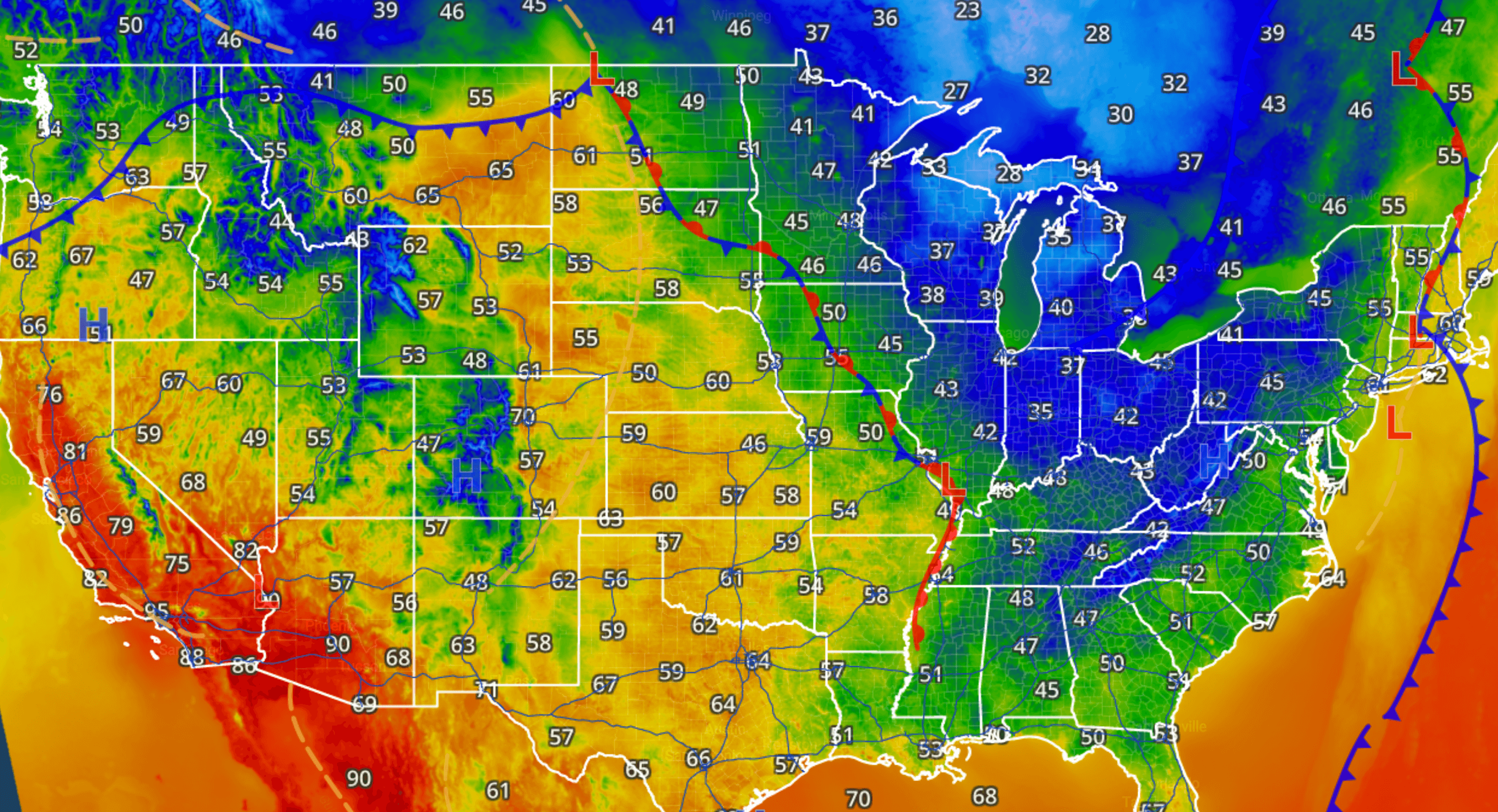
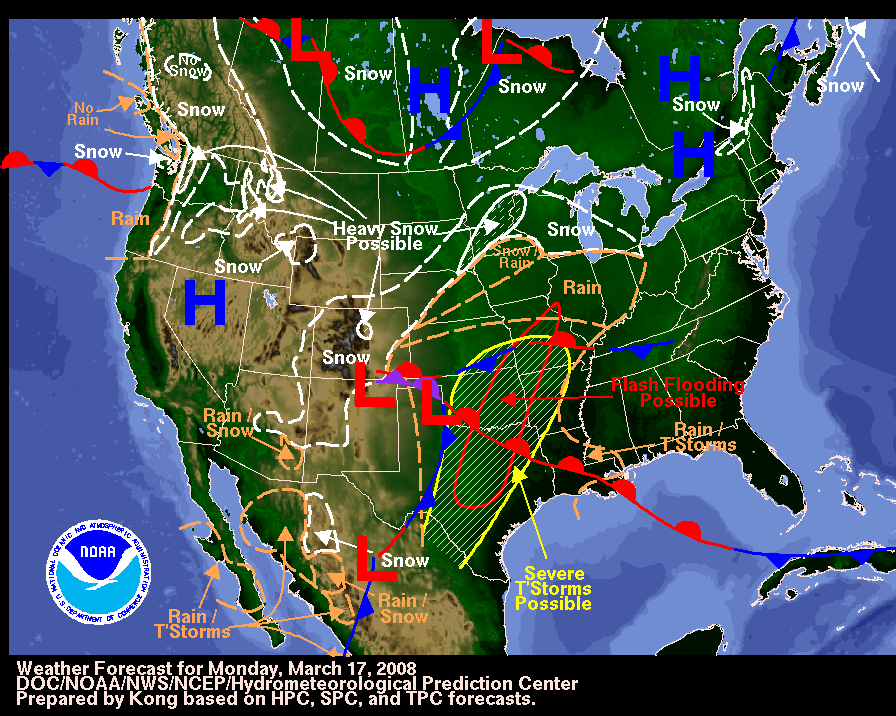
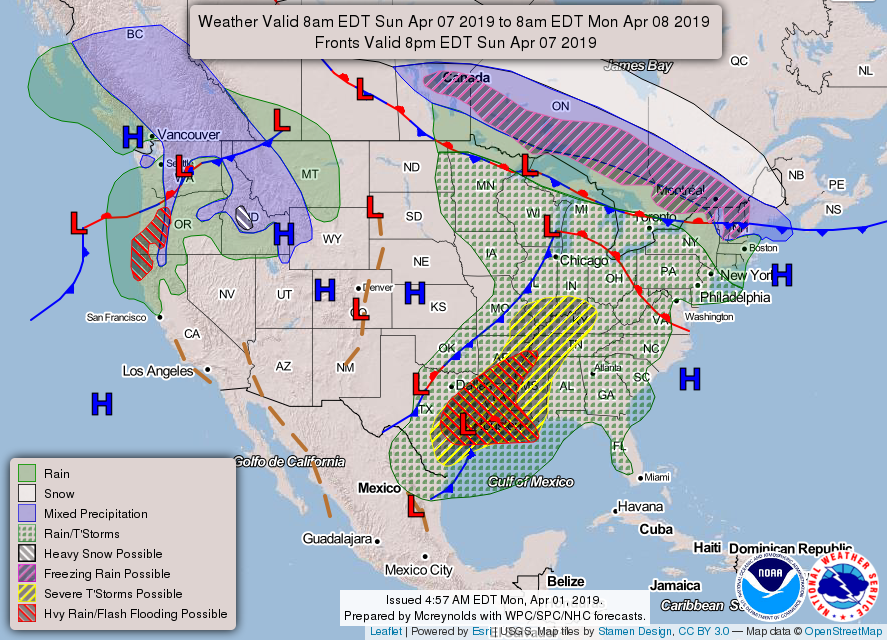
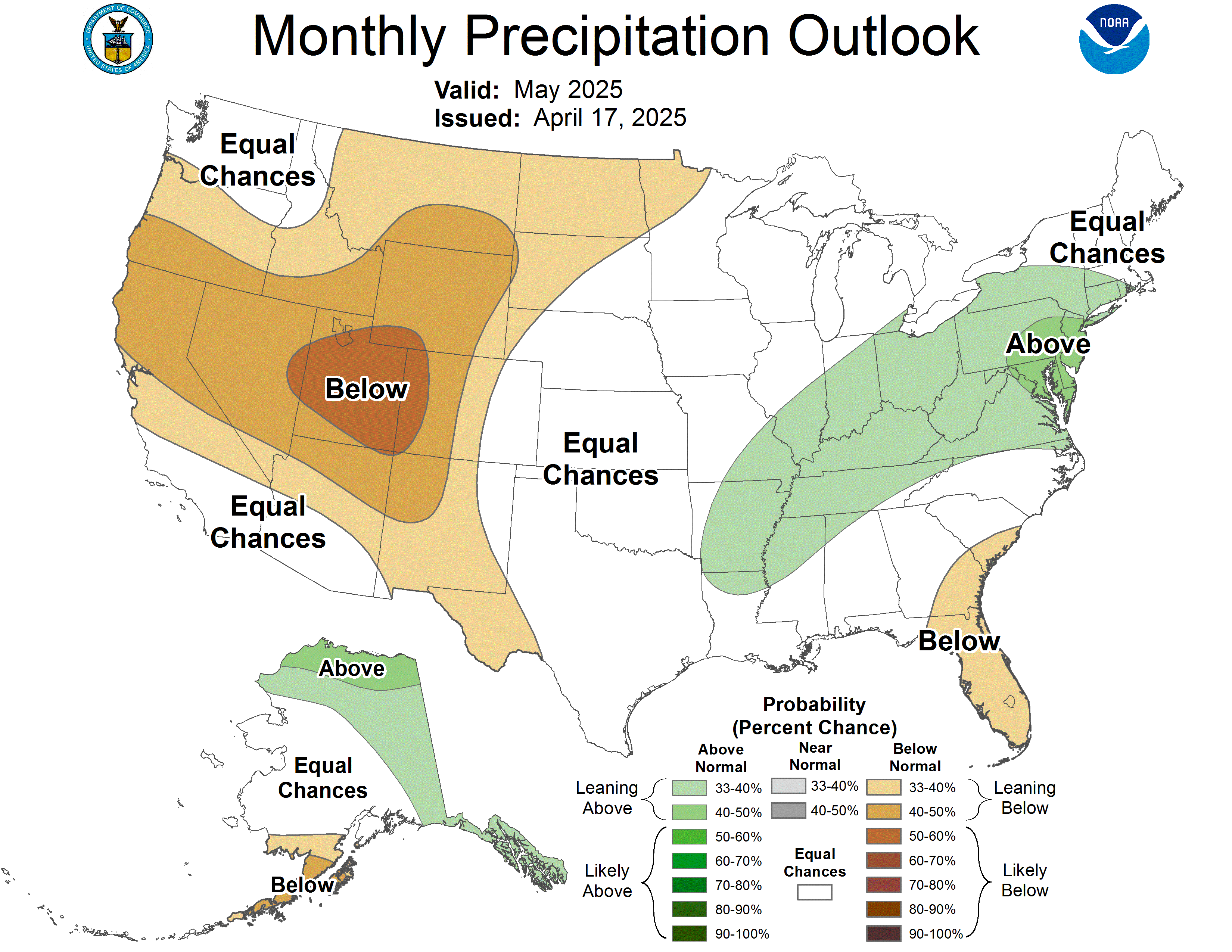
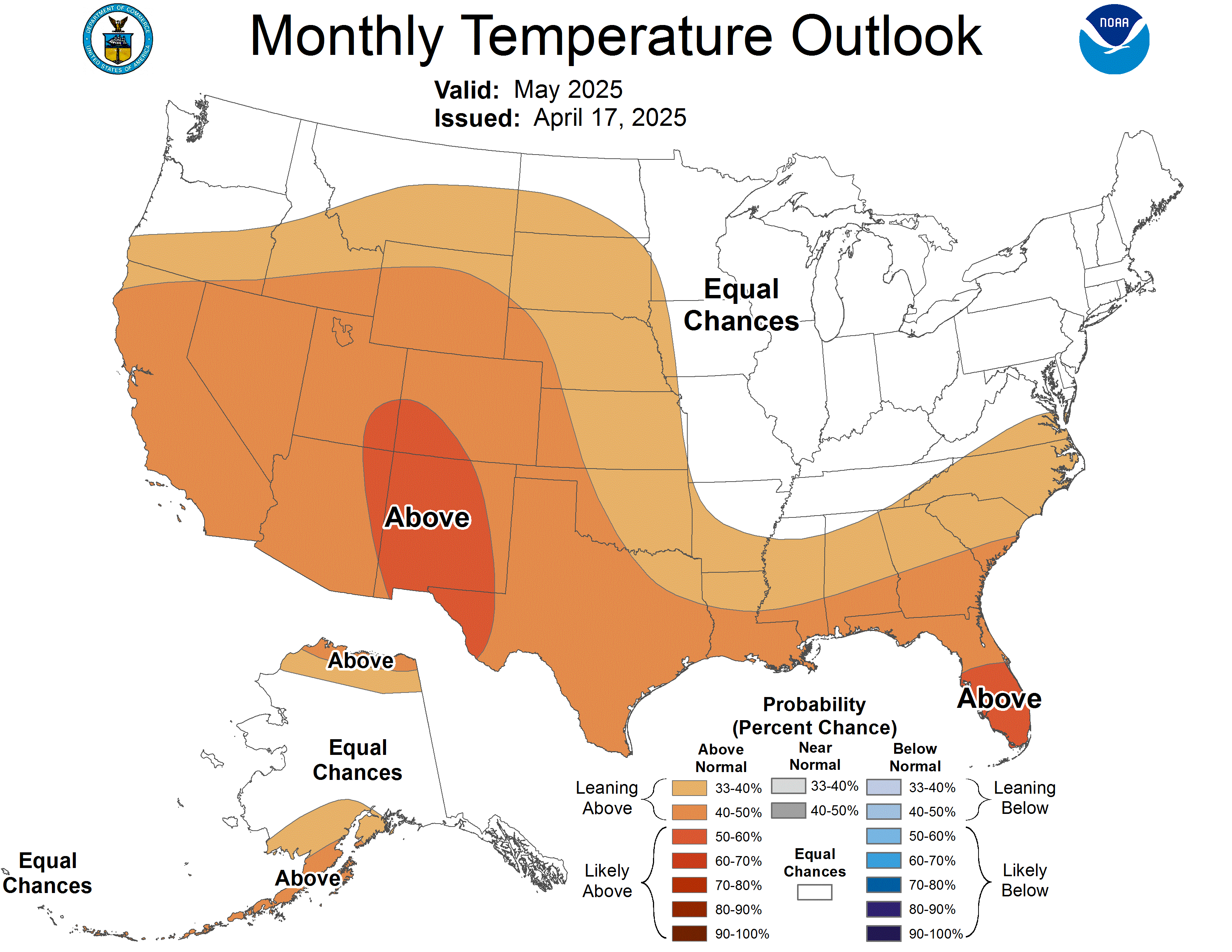
The national weather forecast map, a ubiquitous image on television, online, and in newspapers, is more than just a colorful picture. It’s a complex visual representation of atmospheric conditions, meticulously crafted by meteorologists to provide a snapshot of the current weather and a glimpse into what the future holds. Understanding the nuances of this map can empower individuals to make informed decisions about their day, their travel plans, and even their safety.
This article will delve into the intricacies of the national weather forecast map, breaking down its components, explaining the symbols and colors used, and exploring the process by which it’s created. We’ll also touch upon the limitations of the map and how to interpret it effectively.
A Symphony of Symbols: Deciphering the Language of the Map
The national weather forecast map isn’t just a random collection of colors and shapes; it’s a carefully constructed language, designed to communicate a wealth of information in a concise and easily digestible format. Here’s a breakdown of the key elements:
-
Colors: Colors are perhaps the most immediately noticeable feature of the map, and they’re used to represent various aspects of the weather. Generally, colors are associated with temperature and precipitation:
-
Temperature: Warm colors like red, orange, and yellow signify warmer temperatures, while cooler colors like blue, green, and purple indicate cooler temperatures. The specific temperature range represented by each color varies depending on the map’s scale and purpose. Some maps focus on high temperatures, while others emphasize low temperatures.
-
Precipitation: Green often represents light rain, while heavier rain is depicted in shades of blue. Snow is typically represented by white or light blue. Ice or freezing rain may be indicated by a mix of blue and purple. The intensity of the color often corresponds to the intensity of the precipitation.
-
-
Isobars: These are lines connecting points of equal atmospheric pressure. They are crucial for understanding wind patterns and storm systems. Closer isobars indicate a steeper pressure gradient, which translates to stronger winds. Isobars are often represented as thin, solid lines and are labeled with their pressure values in millibars (mb).
-
Fronts: Fronts are boundaries between different air masses with distinct temperature and humidity characteristics. They are represented by various symbols on the map:
-
Cold Front: Marked by blue triangles pointing in the direction the front is moving. Cold fronts bring cooler, drier air and can be associated with thunderstorms and strong winds.
-
Warm Front: Marked by red semi-circles pointing in the direction the front is moving. Warm fronts bring warmer, more humid air and can cause prolonged periods of light rain or snow.
-
Stationary Front: Alternating blue triangles and red semi-circles on opposite sides of the line. Stationary fronts represent a boundary between air masses that are not moving significantly and can cause prolonged periods of rain or snow.
-
Occluded Front: Marked by alternating purple triangles and semi-circles on the same side of the line. Occluded fronts occur when a cold front overtakes a warm front, lifting the warm air aloft. They can be associated with complex weather patterns and precipitation.
-
-
High and Low Pressure Systems: Marked by "H" and "L" symbols, respectively. High-pressure systems are associated with sinking air, which typically leads to clear skies and calm winds. Low-pressure systems are associated with rising air, which can lead to cloud formation, precipitation, and stronger winds.
-
Wind Barbs: These small symbols provide information about wind speed and direction. They consist of a small circle representing the observation point and a line extending from it, indicating the wind direction. "Barbs" or "feathers" are attached to the line to indicate wind speed. Each full barb represents a certain wind speed (e.g., 10 knots), and half barbs represent half that speed (e.g., 5 knots).
-
Symbols for Weather Phenomena: Various symbols represent specific weather phenomena, such as thunderstorms (lightning bolt), fog (three horizontal lines), snow (asterisk), and rain (dot).
The Making of a Map: A Symphony of Data and Technology
The creation of the national weather forecast map is a complex and collaborative effort involving a vast network of data collection and sophisticated computer models.
-
Data Collection: The foundation of the map is a wealth of data collected from various sources:
-
Surface Observations: Weather stations across the country record temperature, humidity, wind speed and direction, precipitation, and other parameters.
-
Upper-Air Observations: Weather balloons equipped with radiosondes are launched twice daily to measure temperature, humidity, wind speed and direction at various altitudes.
-
Satellite Imagery: Satellites provide a comprehensive view of cloud cover, precipitation, and other atmospheric features.
-
Radar Data: Radar systems detect precipitation intensity and movement.
-
Aircraft Observations: Commercial and research aircraft provide data on temperature, wind, and turbulence at flight altitudes.
-
-
Numerical Weather Prediction (NWP): The collected data is fed into sophisticated computer models that simulate the behavior of the atmosphere. These models use complex mathematical equations to predict future weather conditions based on current conditions and historical data. Different models exist, each with its own strengths and weaknesses.
-
Meteorologist Analysis and Interpretation: Meteorologists analyze the output from the computer models, taking into account their experience, knowledge of local weather patterns, and the limitations of the models. They then refine the forecast and create the visual representation that becomes the national weather forecast map. This process involves interpreting model output, identifying potential errors, and making adjustments based on real-time observations and their understanding of atmospheric dynamics.
-
Map Generation and Dissemination: Once the forecast is finalized, it is translated into a visual map using specialized software. The map is then disseminated to the public through various channels, including television, online platforms, and newspapers.
Limitations and Interpretation: Reading Between the Lines
While the national weather forecast map is a valuable tool, it’s important to understand its limitations and interpret it effectively.
-
Forecast Uncertainty: Weather forecasting is inherently uncertain, especially for longer time periods. The accuracy of the forecast decreases as the forecast period extends. Factors like chaotic atmospheric behavior and the limitations of computer models contribute to this uncertainty.
-
Scale Limitations: The national weather forecast map provides a broad overview of weather conditions across the country. It may not accurately reflect the specific weather conditions in a particular location, especially in areas with complex terrain. Localized phenomena like microclimates can significantly affect weather conditions within a small area.
-
Model Bias: Computer models are not perfect and can exhibit biases. Some models may tend to overestimate or underestimate precipitation, for example. Meteorologists are aware of these biases and take them into account when interpreting model output.
-
Dynamic Weather Systems: Weather systems are constantly evolving, and the forecast map represents a snapshot in time. The actual weather conditions may deviate from the forecast as weather systems develop and move.
To interpret the national weather forecast map effectively, consider the following:
-
Check the time stamp: The map represents the forecast for a specific time period. Pay attention to the date and time of the forecast to understand when the predicted conditions are expected to occur.
-
Consider the scale: Understand the geographic area covered by the map and the level of detail it provides. For more localized information, consult local weather forecasts.
-
Pay attention to the uncertainty: Be aware of the inherent uncertainty in weather forecasting, especially for longer time periods. Look for phrases like "chance of rain" or "possible thunderstorms," which indicate a degree of uncertainty.
-
Compare multiple sources: Consult multiple sources of weather information, such as different weather models and forecasts from different meteorologists, to get a more comprehensive picture.
-
Stay updated: Weather conditions can change rapidly, so it’s important to stay updated with the latest forecasts.
Conclusion: Empowering Informed Decisions
The national weather forecast map is a powerful tool for understanding and predicting weather conditions. By understanding the symbols, colors, and the process by which the map is created, individuals can interpret it effectively and make informed decisions about their day, their travel plans, and their safety. While the map has limitations, it remains an invaluable resource for navigating the complex and ever-changing world of weather. By learning to "decipher the dance" of the national weather forecast map, we can all become more informed and prepared for whatever the atmosphere throws our way.