By admin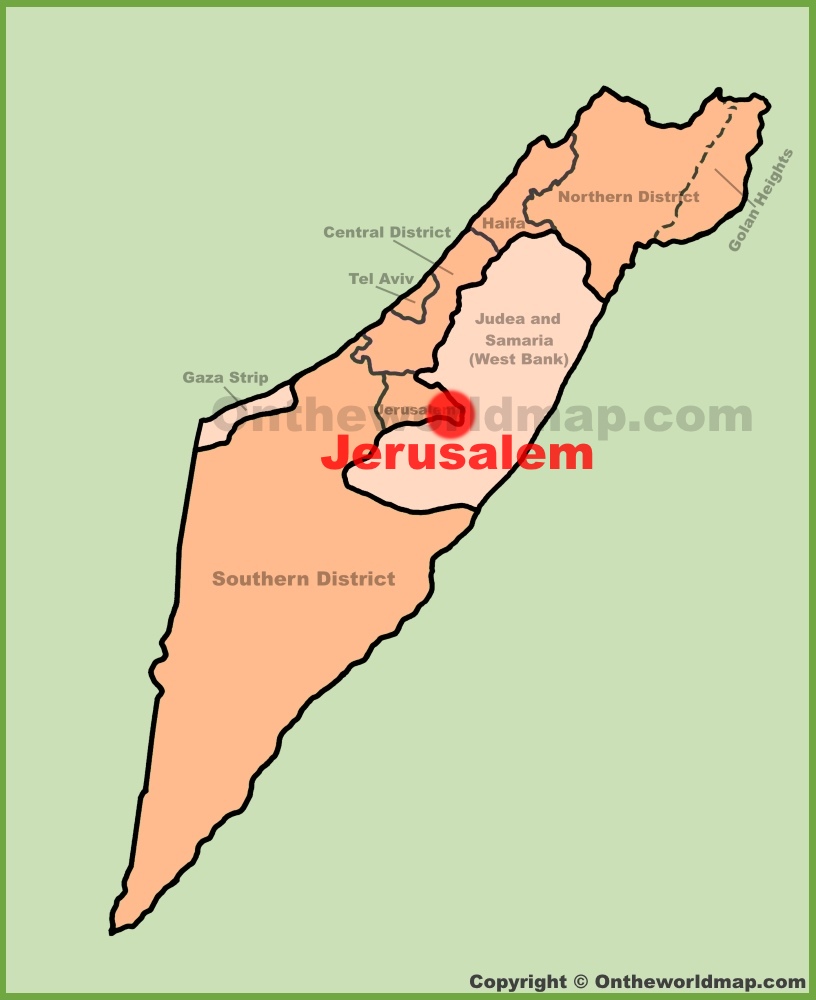
Jerusalem. The name itself resonates with history, faith, and conflict. More than just a city on a map, Jerusalem is a point of intersection, a nexus where three major religions – Judaism, Christianity, and Islam – intertwine, leaving indelible marks on its landscape, its architecture, and its very identity. To understand Jerusalem is to understand a world mapped through millennia, a world constantly redrawn by shifting empires, religious fervor, and enduring cultural significance.
This article delves into the evolving world map of Jerusalem, exploring how its physical boundaries, perceived importance, and symbolic representation have been shaped by historical forces and continue to inform contemporary geopolitics.
Ancient Roots: The City of David and the Temple Mount
The earliest known maps depicting Jerusalem are not geographically accurate in the modern sense. Instead, they are symbolic representations, often found in biblical texts and early Christian and Jewish iconography. These maps focus on the spiritual significance of the city, emphasizing the Temple Mount (Haram al-Sharif), the site of the First and Second Temples in Jewish tradition and the Dome of the Rock and Al-Aqsa Mosque in Islamic tradition.
The "city of David," the original settlement attributed to King David around 1000 BCE, represents the foundational layer of Jerusalem’s world map. This area, now located outside the walls of the Old City, held the political and religious center of the ancient Israelite kingdom. The construction of the First Temple by King Solomon further solidified Jerusalem’s importance as a sacred site, drawing pilgrims and establishing its centrality in the religious and political landscape.
Early representations of Jerusalem often depicted the Temple as the heart of the world, a cosmic center from which blessings flowed outward. These "maps" were not intended for navigation but rather for spiritual orientation, guiding believers towards the divine presence believed to reside in Jerusalem.
Roman Rule and the Rise of Christianity: A Shifting Focus
The Roman conquest of Jerusalem in 63 BCE and the subsequent destruction of the Second Temple in 70 CE dramatically altered the city’s world map. The Roman Empire rebuilt Jerusalem as Aelia Capitolina, a pagan city, diminishing its Jewish character and suppressing religious expression.
However, the rise of Christianity, with its roots in Jerusalem, eventually brought about a resurgence of the city’s religious significance. Christians revered Jerusalem as the site of Jesus’ crucifixion, resurrection, and ascension. Early Christian maps, often integrated into pilgrimage guides and church mosaics, focused on key biblical locations like the Church of the Holy Sepulchre, believed to be the site of Jesus’ tomb.
These maps often depicted Jerusalem as a microcosm of the world, with the four rivers of paradise flowing from it, symbolizing the spread of the Gospel to the four corners of the earth. This perspective reinforced Jerusalem’s role as a spiritual center for the burgeoning Christian world.
The Islamic Conquest and Medieval Cartography: A City of Three Faiths
The Islamic conquest of Jerusalem in 638 CE marked another turning point in the city’s history and its representation on the world map. Under Islamic rule, Jerusalem, known as Al-Quds (the Holy), became the third holiest city in Islam, after Mecca and Medina. The construction of the Dome of the Rock and the Al-Aqsa Mosque on the Temple Mount solidified Jerusalem’s importance to the Muslim world.
Medieval Islamic cartography often depicted Jerusalem as a prominent city in the center of the Islamic world, highlighting its religious significance and strategic location. Islamic scholars, such as al-Muqaddasi, described Jerusalem in detail, emphasizing its sacred sites and its connection to the prophets of Islam.
During the Crusades, European maps of Jerusalem reflected the intense religious and political struggle for control of the city. Crusader maps often depicted Jerusalem as a fortified Christian city, emphasizing its churches and monasteries while downplaying its Islamic heritage. The capture of Jerusalem by the Crusaders in 1099 and its subsequent reconquest by Saladin in 1187 led to alternating periods of Christian and Muslim control, further shaping the city’s representation on the world map.
The Ottoman Era: A Period of Relative Stability
The Ottoman Empire’s control of Jerusalem from the 16th century to the early 20th century brought a period of relative stability to the city. Ottoman maps of Jerusalem often focused on its physical infrastructure, including its walls, gates, and aqueducts. These maps also reflected the city’s diverse population, comprised of Jews, Christians, and Muslims, each with their own distinct quarters and institutions.
During the Ottoman era, Jerusalem became a popular destination for European travelers and scholars, who produced detailed maps and descriptions of the city. These accounts often reflected Western perspectives and biases, emphasizing the historical and religious significance of Jerusalem to the Christian world.
The British Mandate and the Modern Era: A City Divided
The British Mandate for Palestine, established after World War I, marked a new chapter in the history of Jerusalem and its representation on the world map. The city became a focal point of the Arab-Israeli conflict, with competing claims to sovereignty and control.
The 1948 Arab-Israeli War resulted in the division of Jerusalem, with the western part under Israeli control and the eastern part, including the Old City, under Jordanian control. This division was reflected in maps of Jerusalem, which often depicted a "green line" separating the two sides of the city.
The Six-Day War in 1967 led to Israel’s capture of East Jerusalem, reunifying the city under Israeli control. However, the status of Jerusalem remains a contentious issue, with Palestinians claiming East Jerusalem as the capital of a future Palestinian state.
Contemporary Jerusalem: A City of Contested Maps
Today, the world map of Jerusalem is a complex and contested one. Israel considers Jerusalem its unified and eternal capital, a claim not recognized by most of the international community. The Palestinian Authority continues to claim East Jerusalem as its capital, and many countries maintain their embassies in Tel Aviv, reflecting their refusal to recognize Israeli sovereignty over the entire city.
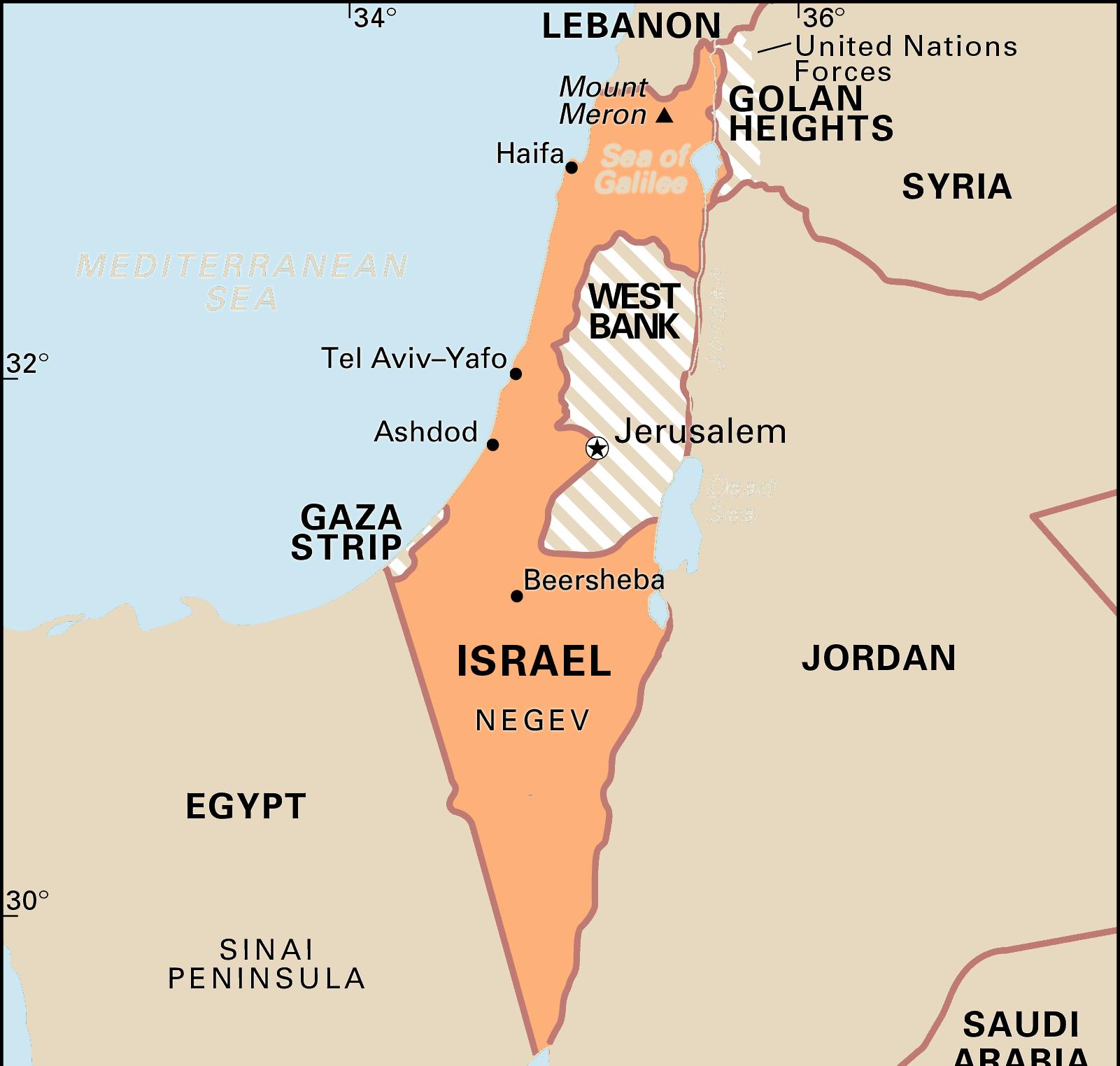
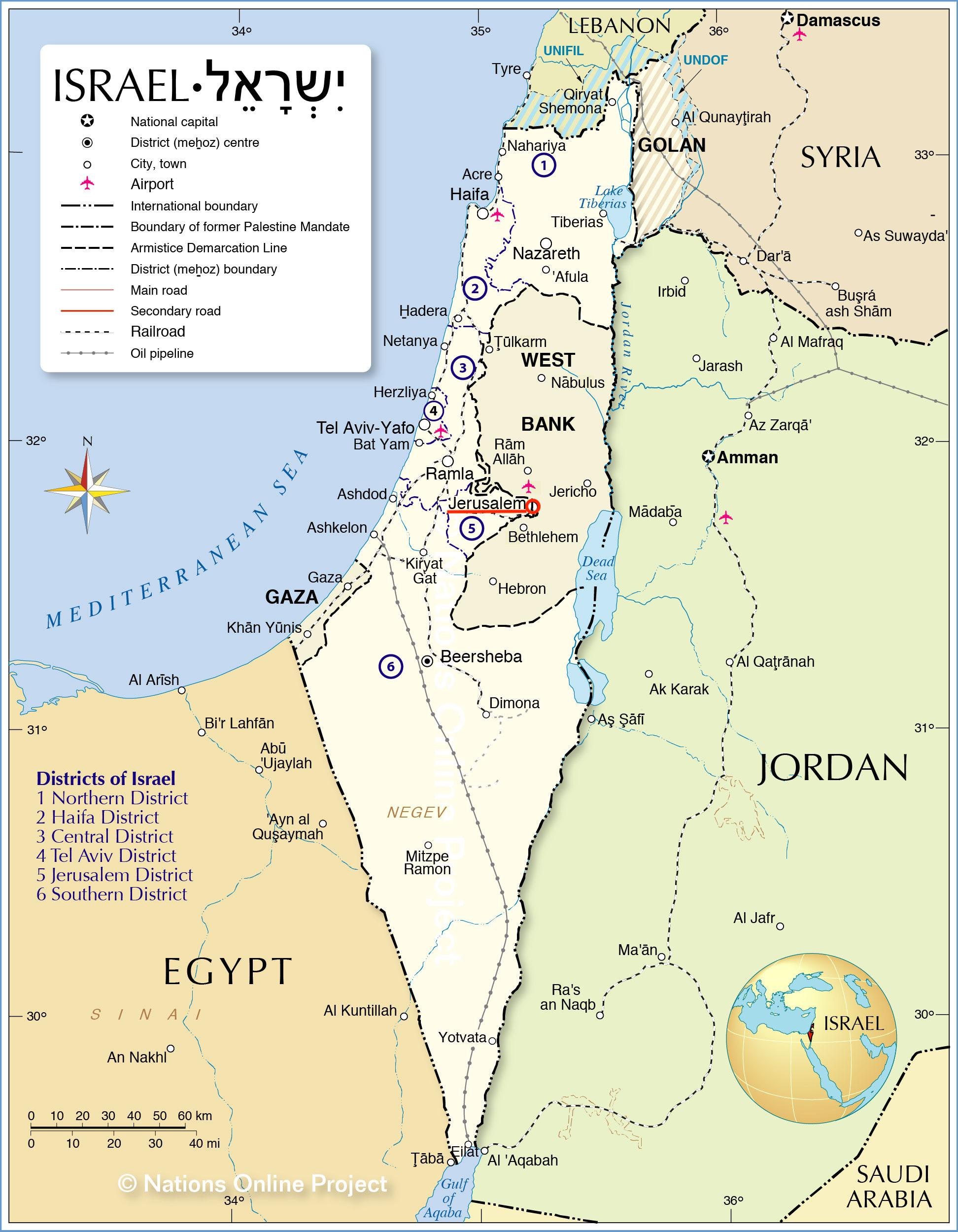
Contemporary maps of Jerusalem often reflect these competing claims. Some maps depict Jerusalem as a unified city under Israeli control, while others show East Jerusalem as occupied territory or as part of a future Palestinian state.
The issue of Jerusalem’s holy sites also contributes to the complexity of its world map. The Temple Mount/Haram al-Sharif remains a flashpoint of religious and political tension, with competing claims to access and control. The presence of Jewish, Christian, and Muslim holy sites within the Old City underscores Jerusalem’s significance as a city of three faiths, but also highlights the challenges of managing religious and cultural sensitivities.
Conclusion: Mapping a Future for Jerusalem
The world map of Jerusalem is not a static entity. It is a dynamic representation that has been shaped by centuries of history, faith, and conflict. Understanding the evolution of this map requires a nuanced appreciation of the competing narratives and perspectives that inform its representation.
As Jerusalem continues to grapple with its complex identity and contested status, it is crucial to recognize the diverse cultural and religious heritage that defines the city. Finding a way to map a future for Jerusalem that respects the rights and aspirations of all its inhabitants remains a daunting, yet essential, task. This future map must acknowledge the historical significance of the city to Judaism, Christianity, and Islam, and strive to create a shared space where all can live in peace and security. Only then can Jerusalem truly become a city of peace, a beacon of hope for a world often divided by conflict and misunderstanding.