By admin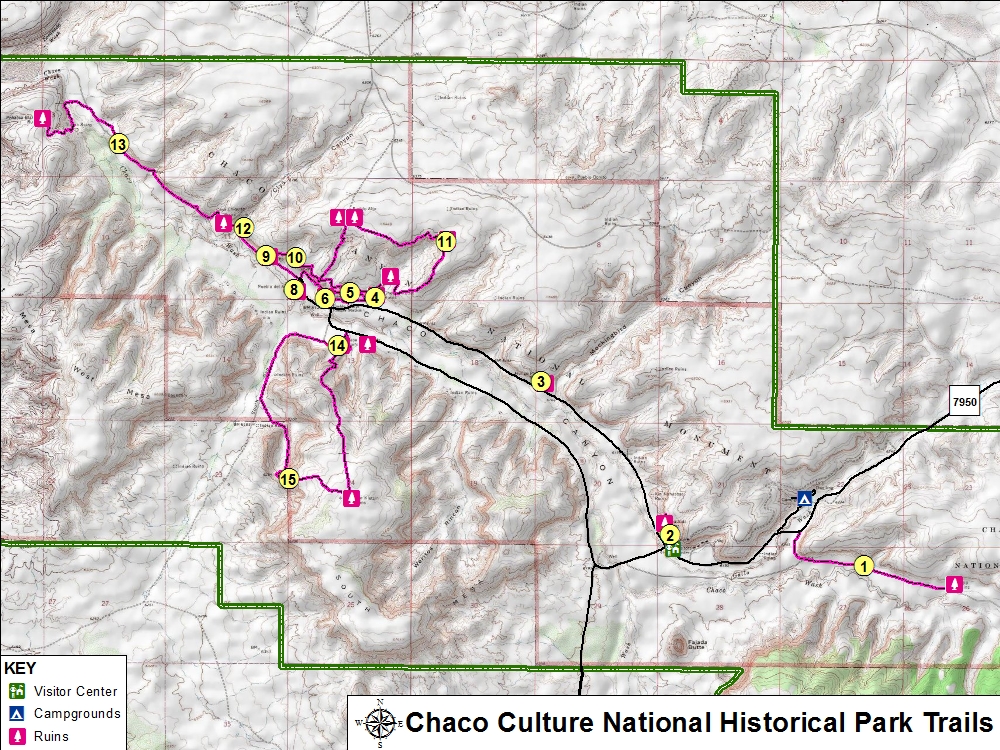
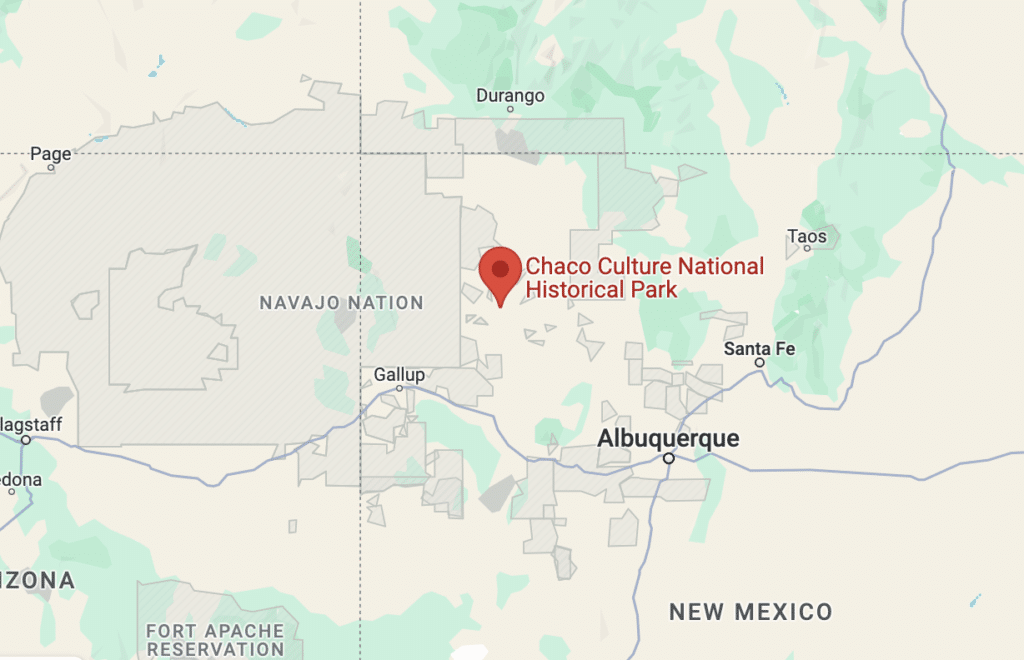
Chaco Canyon, nestled in the high desert of northwestern New Mexico, is a place of stark beauty and profound mystery. Designated a UNESCO World Heritage Site in 1987, this canyon served as a major cultural center for the ancestral Puebloan people between 850 and 1250 CE. While the monumental architecture, intricate pottery, and sophisticated astronomical knowledge of the Chacoans are well-documented, understanding the true scope of their influence and the complexities of their society requires a careful examination of the landscape itself. Mapping Chaco Canyon, both literally and figuratively, unlocks crucial insights into its history, its purpose, and its lasting legacy.
The Canyon as Canvas: A Masterful Engineering Feat
Chaco Canyon is not just a collection of impressive buildings; it’s a carefully constructed landscape. The Chacoans engineered the environment to suit their needs, demonstrating a deep understanding of hydrology, geology, and astronomy. Their mastery is evident in the precise alignment of great houses, the construction of sophisticated water management systems, and the extensive network of roads that radiated outwards from the canyon core.
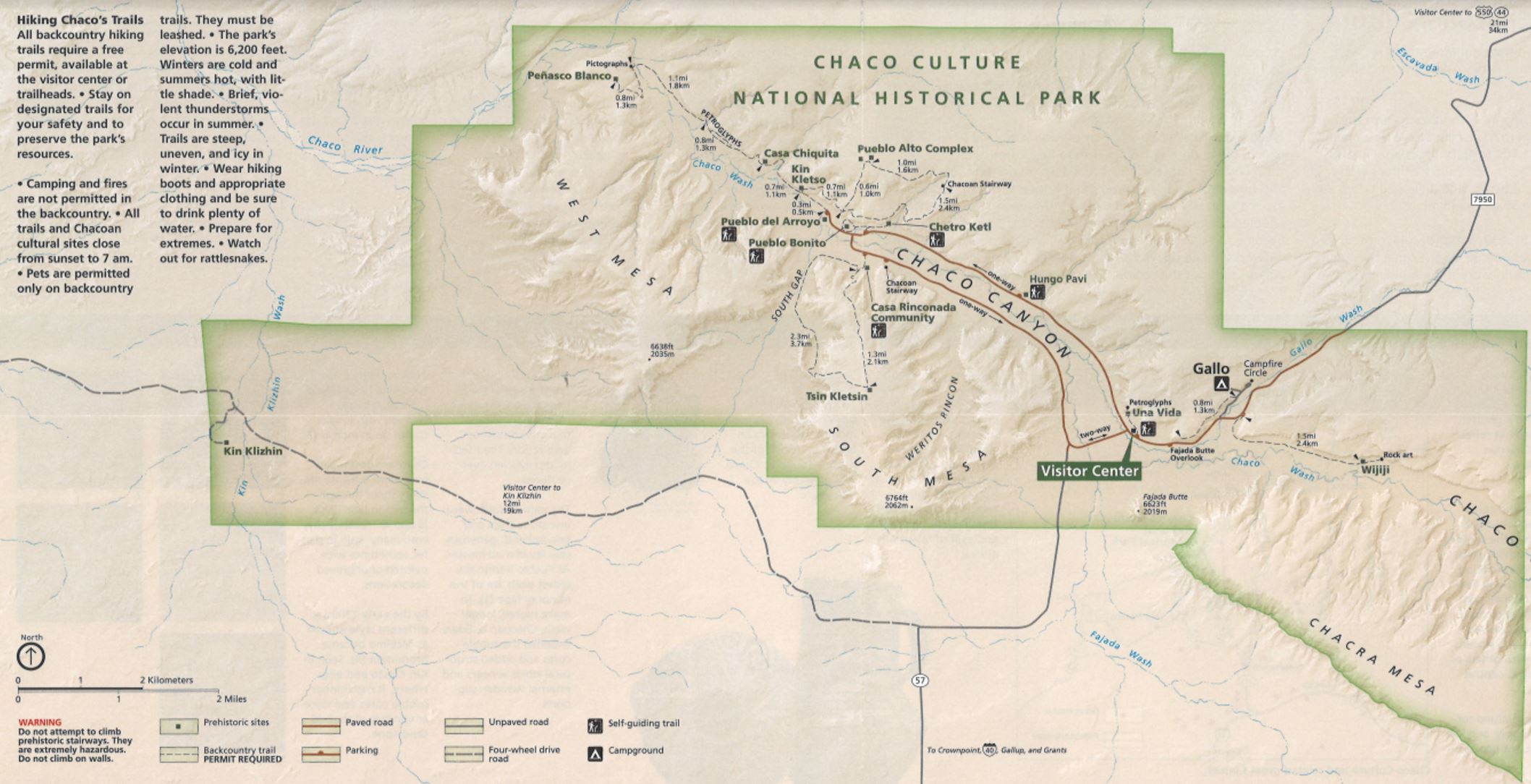
One of the most striking aspects of the Chacoan landscape is the deliberate orientation of the great houses. Structures like Pueblo Bonito, Chetro Ketl, and Pueblo Alto are aligned along cardinal directions (north, south, east, and west) and with significant astronomical events, particularly the solstices and equinoxes. This alignment suggests a deep connection between the Chacoans’ architectural practices and their cosmological beliefs. Mapping these alignments, using tools like archaeoastronomy, reveals a conscious effort to integrate the built environment with the celestial realm. The placement of windows and doorways to capture specific light patterns during certain times of the year further reinforces this connection.
Water was a precious resource in the arid environment of Chaco Canyon. The Chacoans developed ingenious systems for collecting and managing rainwater, diverting it into reservoirs and agricultural fields. These systems included check dams, canals, and terraces, all designed to maximize water retention and prevent erosion. Detailed mapping of these features reveals the scale of the Chacoans’ engineering prowess and their commitment to sustainable resource management. Understanding the flow of water through the canyon sheds light on the agricultural practices that sustained the population and the complex social organization required to maintain these intricate systems.
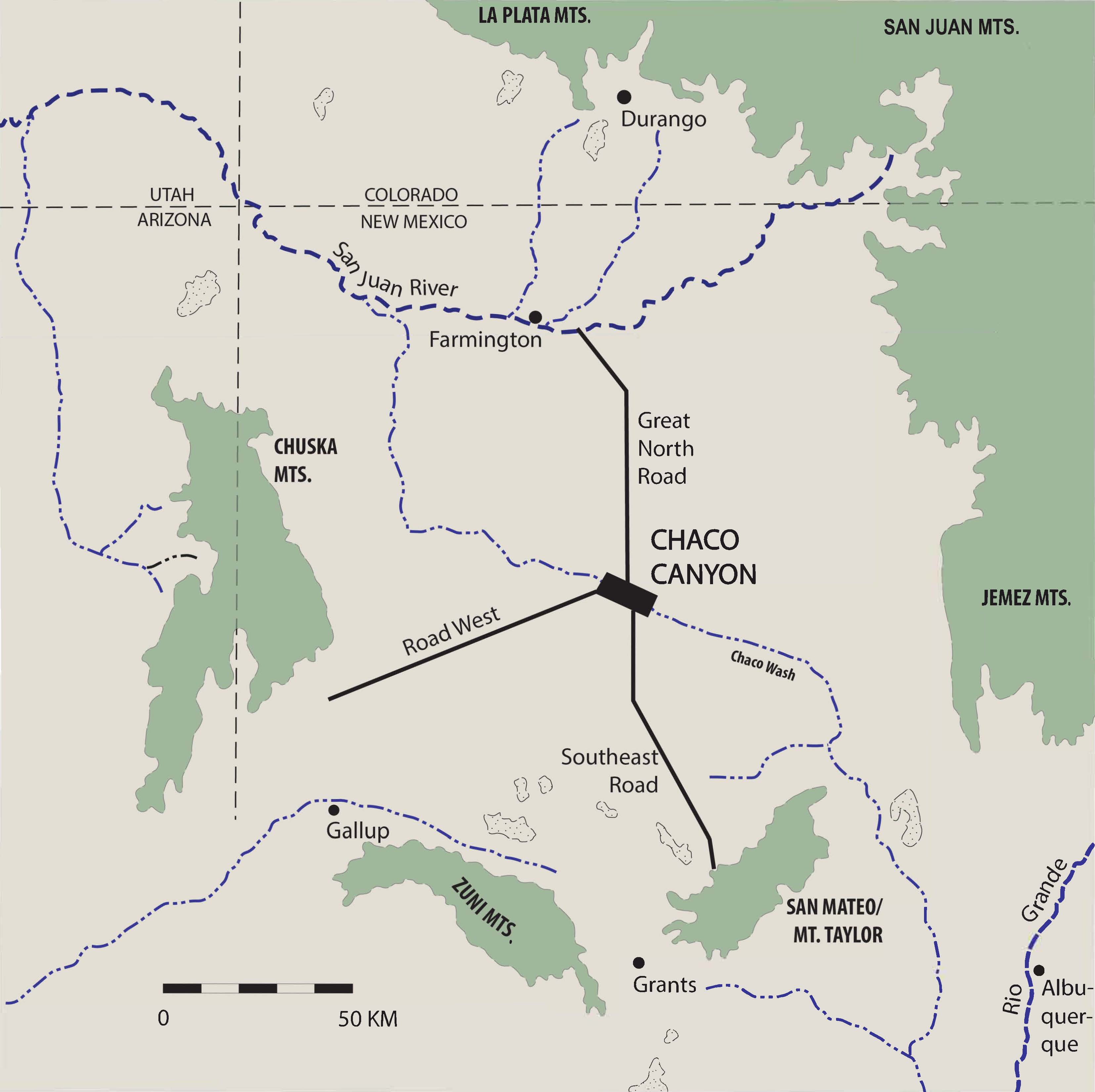
The Great North Road, perhaps the most famous element of the Chacoan landscape, epitomizes their engineering abilities. This remarkably straight road, averaging 30 feet wide, stretches for over 30 miles north from Chaco Canyon. It is not simply a path; it is a carefully constructed thoroughfare, often cut directly into the sandstone bedrock. Mapping the Great North Road, and the network of other roads that connect Chaco Canyon to outlying communities, reveals the extent of the Chacoan sphere of influence and the importance of trade and communication within the region. The straightness of the road, seemingly defying the natural topography, suggests a deliberate symbolic intent, perhaps connecting Chaco Canyon to sacred landscapes and resources located far beyond the canyon walls.
Beyond the Walls: Connecting Chaco to its Periphery
Chaco Canyon was not an isolated entity. It was the center of a vast network of settlements and communities that stretched across hundreds of miles. These outlying communities, often referred to as "Chacoan outliers," shared architectural styles, pottery traditions, and ceremonial practices with the central canyon. Mapping the distribution of these outliers provides crucial insights into the social, economic, and political organization of the Chacoan world.
The presence of great houses in outlying communities, albeit smaller than those in Chaco Canyon itself, suggests a hierarchical relationship between the central canyon and its periphery. These outlier great houses likely served as regional centers, facilitating trade, collecting tribute, and enforcing Chacoan authority. Mapping the distribution of specific artifact types, such as pottery, turquoise, and macaw feathers, reveals the flow of goods and resources throughout the Chacoan network. The concentration of certain resources in Chaco Canyon suggests that it served as a central redistribution point, consolidating wealth and power.
The Chacoan road system played a crucial role in connecting Chaco Canyon to its outliers. These roads facilitated the movement of people, goods, and information, allowing for the efficient administration of the Chacoan network. Mapping the road system, and analyzing the distribution of artifacts along these routes, can help to reconstruct the patterns of trade and communication that sustained the Chacoan world. The existence of "tri-walled structures" along some roads, unique architectural features found only in the Chacoan world, further reinforces the deliberate nature of this network and its potential strategic importance.
Furthermore, mapping the geological resources available in the Chacoan periphery reveals the dependence of Chaco Canyon on its surrounding environment. The Chacoans imported vast quantities of timber for construction, particularly ponderosa pine and Douglas fir, from distant mountain ranges. They also relied on outlying communities for agricultural products, such as corn, beans, and squash. Mapping the sources of these resources highlights the interconnectedness of the Chacoan world and the importance of maintaining relationships with outlying communities.
The Landscape as Archive: Deciphering the Chacoan Collapse
Around 1250 CE, Chaco Canyon was abandoned. The reasons for this abandonment are complex and debated, but environmental factors, social unrest, and resource depletion likely played a significant role. Mapping the landscape can provide valuable clues to understanding the Chacoan collapse.
Paleoenvironmental studies, which reconstruct past environmental conditions, provide insights into the climate and ecology of Chaco Canyon during the Chacoan period. Analyzing tree ring data, pollen samples, and sediment cores reveals fluctuations in rainfall, temperature, and vegetation cover. Mapping these environmental changes can help to determine the extent to which drought and other environmental stresses contributed to the Chacoan collapse. Evidence of deforestation and soil erosion further suggests that the Chacoans may have exceeded the carrying capacity of their environment, leading to resource depletion and ultimately contributing to their demise.
Archaeological evidence of social unrest, such as defensive structures and evidence of violence, can also be mapped. The presence of barricades and fortified settlements suggests that conflict may have increased in the later years of the Chacoan period, potentially contributing to social instability and the eventual abandonment of the canyon. Analysis of skeletal remains can also reveal patterns of disease and malnutrition, providing further insights into the challenges faced by the Chacoan population in the period leading up to their collapse.
Finally, mapping the distribution of Chacoan outliers after the abandonment of Chaco Canyon reveals the dispersal of the Chacoan population. Many of the outlying communities continued to thrive after the central canyon was abandoned, suggesting that the Chacoan population did not simply disappear but rather migrated to other areas. Tracing the movement of people and cultural traditions from Chaco Canyon to other regions helps to understand the lasting legacy of the Chacoan culture and its influence on subsequent Puebloan societies.
Beyond the Map: Preserving the Past for the Future
Mapping Chaco Canyon is not just an academic exercise; it is also a crucial tool for preserving this important cultural heritage site for future generations. Detailed maps are essential for managing the site, protecting its archaeological resources, and interpreting its significance for the public.
The remote location of Chaco Canyon and the fragility of its archaeological remains make it particularly vulnerable to damage from erosion, vandalism, and looting. Detailed maps, including topographic maps, aerial photographs, and GIS (Geographic Information System) databases, are essential for monitoring the condition of the site and identifying areas that are at risk. These maps can also be used to develop strategies for mitigating erosion, protecting archaeological resources, and preventing unauthorized access.
Furthermore, mapping the cultural landscape of Chaco Canyon can enhance the visitor experience and promote a deeper understanding of its significance. Interactive maps, virtual reality simulations, and interpretive displays can bring the Chacoan world to life for visitors, allowing them to explore the canyon’s architecture, engineering, and astronomical alignments. By connecting visitors to the landscape in a meaningful way, we can foster a greater appreciation for the cultural heritage of Chaco Canyon and inspire a commitment to its preservation.
In conclusion, mapping Chaco Canyon is essential for understanding the complexities of the Chacoan culture and its lasting legacy. By carefully examining the landscape, we can unlock crucial insights into the Chacoans’ engineering prowess, their social organization, their cosmological beliefs, and the factors that contributed to their eventual collapse. Moreover, mapping Chaco Canyon is crucial for preserving this important cultural heritage site for future generations, ensuring that the mysteries of this remarkable place continue to inspire and enlighten us for years to come. The canyon is more than just ruins; it’s a testament to human ingenuity, resilience, and a profound connection to the natural world, a story etched onto the landscape itself waiting to be deciphered.