By admin
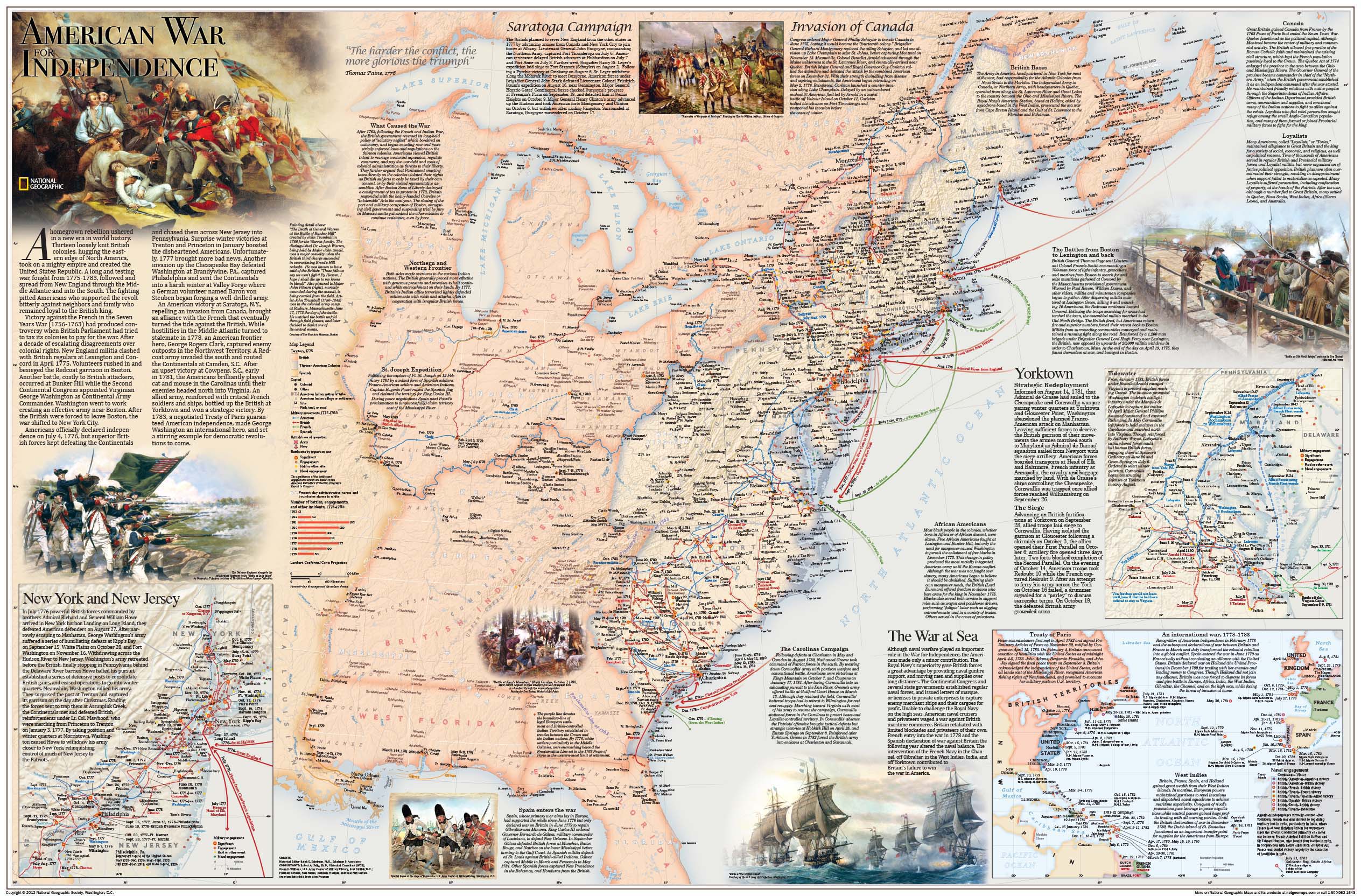
The American Revolutionary War, a conflict that birthed a nation, was not simply fought with muskets and courage. It was also waged on paper, with meticulously crafted maps acting as vital strategic tools. These were not just static representations of land; they were dynamic documents, influencing decisions, dictating troop movements, and ultimately, shaping the course of the war. From grand strategic overviews to detailed tactical sketches, Revolutionary War maps offer a fascinating glimpse into the minds of the commanders, the challenges of the terrain, and the very fabric of this pivotal period in American history.
The Landscape of Conflict: Understanding the Terrain
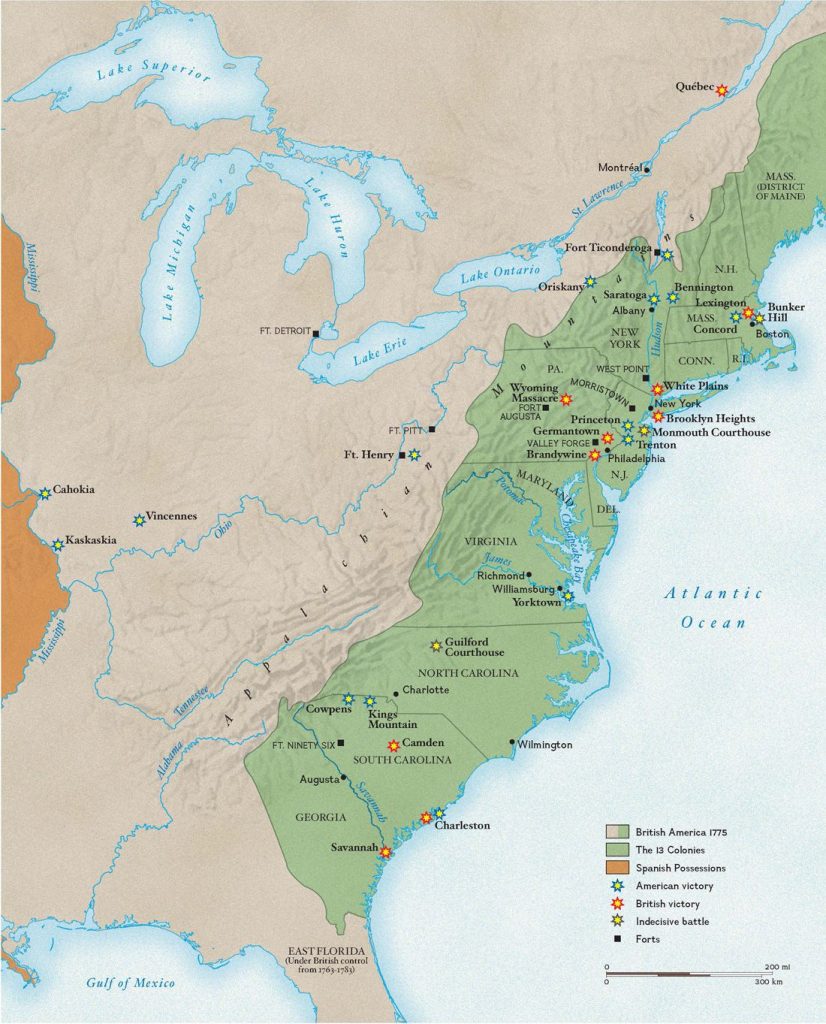
Before a single shot was fired, understanding the lay of the land was paramount. Revolutionary War maps provided crucial information about topography, waterways, settlements, and infrastructure. The vast and varied landscapes of the colonies – from the dense forests of New England to the sprawling plantations of the South – presented unique challenges for both the British and American forces.
For the British, familiar with the well-charted landscapes of Europe, the American terrain was often bewildering. Detailed maps were essential for navigating unfamiliar waterways, assessing the suitability of land for troop movements, and identifying potential ambush points. British cartographers, often attached to military units, diligently surveyed and mapped the landscape, providing commanders with the knowledge they needed to plan offensives and maintain supply lines.
The Americans, while more familiar with the land, also relied heavily on maps. These documents allowed them to exploit their knowledge of the terrain, selecting advantageous positions for defense and planning guerilla warfare tactics. Local surveyors and residents often provided crucial information for mapmaking, offering insights into hidden trails, swampy areas, and the best routes for supply convoys.
Strategic Planning: From Boston to Yorktown
Revolutionary War maps played a critical role in strategic planning on both sides of the conflict. General George Washington, a trained surveyor himself, understood the importance of accurate and up-to-date maps. He established a "Map Department" within the Continental Army, tasked with collecting, creating, and distributing maps to his officers. These maps were crucial for formulating overall strategies, coordinating troop movements across vast distances, and anticipating enemy maneuvers.
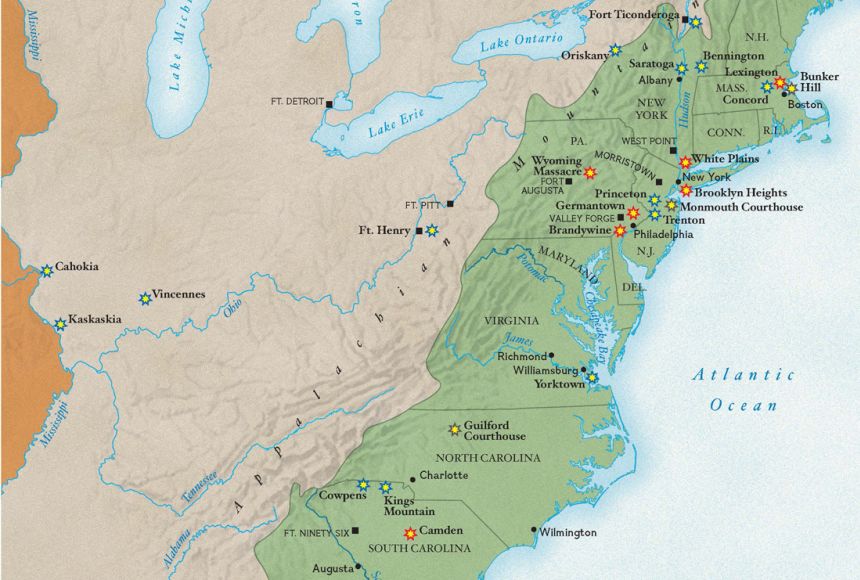
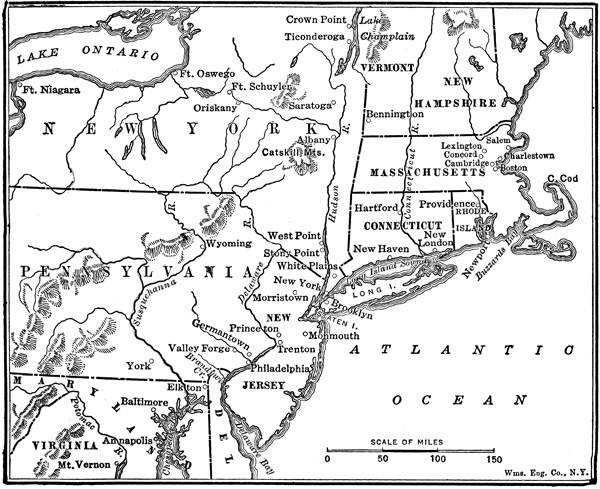
For example, maps of Boston and its surrounding area were vital in the early stages of the war. These maps helped Washington understand the British fortifications and plan the siege that eventually forced their evacuation in 1776. Similarly, maps of the Hudson River Valley, a strategically important corridor connecting New England and the Mid-Atlantic colonies, were essential for controlling key waterways and preventing the British from dividing the colonies.
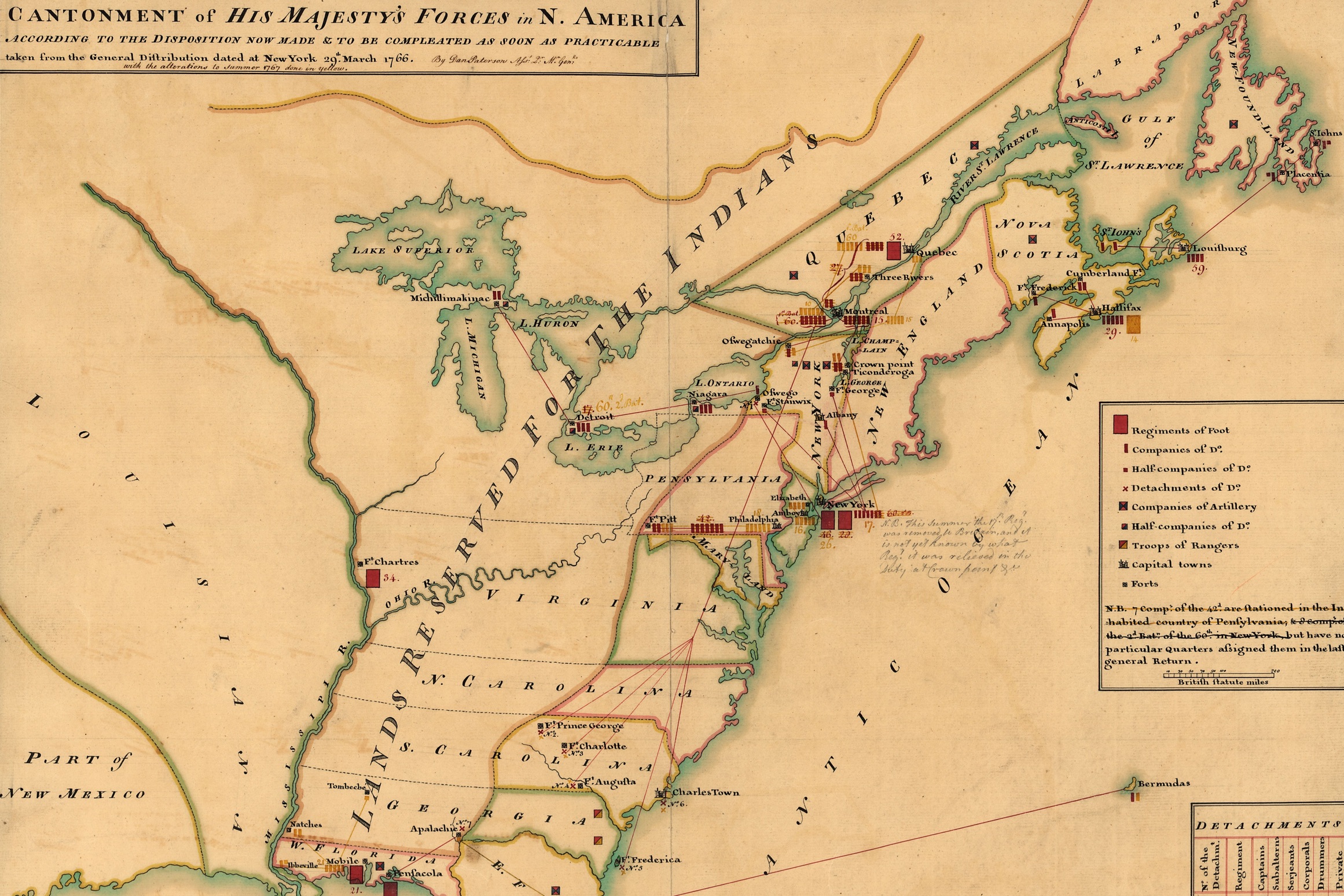
British commanders also relied heavily on maps for strategic planning. They used maps to identify key cities and ports to occupy, to plan campaigns aimed at capturing vital resources, and to coordinate movements between different British armies. The British strategy often focused on controlling key waterways and supply routes, and their maps reflected this emphasis.
Tactical Advantage: The Battlefield in Detail
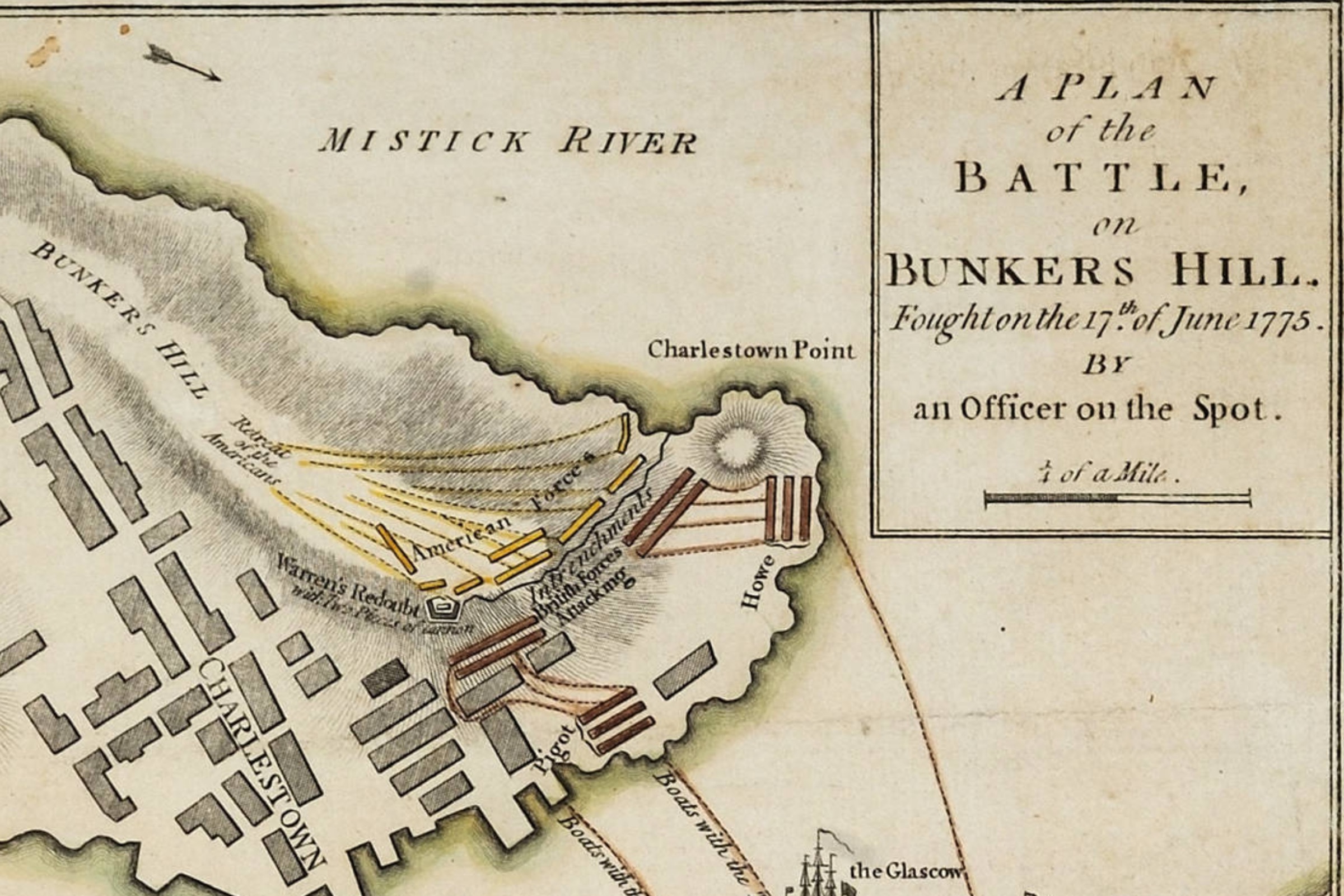
Beyond grand strategic planning, Revolutionary War maps also provided vital tactical information on the battlefield. Detailed maps of specific locations, such as battlefields, forts, and river crossings, allowed commanders to make informed decisions about troop deployments, artillery placements, and defensive fortifications.
These tactical maps often included detailed information about the terrain, such as hills, ravines, and forests, as well as the location of roads, buildings, and other significant features. They also often included notations about enemy positions, troop strengths, and potential avenues of attack.
The Battle of Saratoga, a turning point in the war, provides a good example of the importance of tactical maps. American forces, under the command of General Horatio Gates, used detailed maps of the surrounding terrain to choose defensive positions that exploited the natural features of the landscape. These maps helped them anticipate British movements and successfully repel their attacks, ultimately leading to a crucial American victory.
The Cartographers: Heroes Behind the Lines
The creation and dissemination of Revolutionary War maps was a challenging and often dangerous task. Cartographers, both professional and amateur, risked their lives to gather information and create accurate maps for their respective sides. These individuals were often unsung heroes, working behind the lines to provide crucial intelligence that helped shape the course of the war.
British cartographers, often trained in established surveying techniques, produced highly detailed and accurate maps. These maps were often beautifully rendered, with meticulous attention to detail and artistic flair. However, British cartographers often faced challenges in gathering information, as they were often unfamiliar with the American landscape and relied heavily on local guides, some of whom were unreliable or even actively sabotaged their efforts.
American cartographers, often lacking the formal training of their British counterparts, relied on ingenuity, local knowledge, and a strong sense of patriotism. They often created maps under difficult circumstances, using limited resources and facing constant threat of capture. Despite these challenges, American cartographers produced maps that were often surprisingly accurate and provided crucial information to the Continental Army.
The Legacy of Revolutionary War Maps
The maps created during the Revolutionary War are more than just historical artifacts. They offer a valuable window into the past, providing insights into the strategic thinking, military tactics, and geographic challenges of the era. These maps also serve as a testament to the skill and dedication of the cartographers who risked their lives to create them.
Today, Revolutionary War maps are highly sought after by historians, collectors, and anyone interested in the history of the American Revolution. These maps are not only visually stunning but also offer a wealth of information about the people, places, and events that shaped the birth of a nation.
Key Examples of Significant Revolutionary War Maps:
- The Faden Map: William Faden, a prominent London cartographer, published numerous maps related to the American Revolution. His maps often focused on specific battles or campaigns, providing detailed information about troop movements, fortifications, and terrain.
- The Sauthier Maps: Bernard Ratzer and Claude Joseph Sauthier were commissioned by the British to create detailed maps of the colonies. Their maps, known as the "Sauthier Maps," are considered some of the most accurate and comprehensive maps of the American landscape produced during the war.
- Manuscript Maps by Continental Army Engineers: Numerous manuscript maps, often created by engineers within the Continental Army, provide invaluable insights into the American perspective on the war. These maps often focused on specific tactical situations or defensive fortifications.
Conclusion:
Revolutionary War maps were indispensable tools for both the British and American forces. They provided crucial information about the terrain, facilitated strategic planning, and informed tactical decisions on the battlefield. These maps, created by dedicated cartographers on both sides of the conflict, played a significant role in shaping the course of the American Revolution. By studying these maps today, we can gain a deeper understanding of the challenges and complexities of this pivotal period in American history and appreciate the crucial role that cartography played in the birth of a nation. They are a tangible reminder that the war was fought not only with weapons but also with knowledge, ingenuity, and a deep understanding of the landscape.