By admin
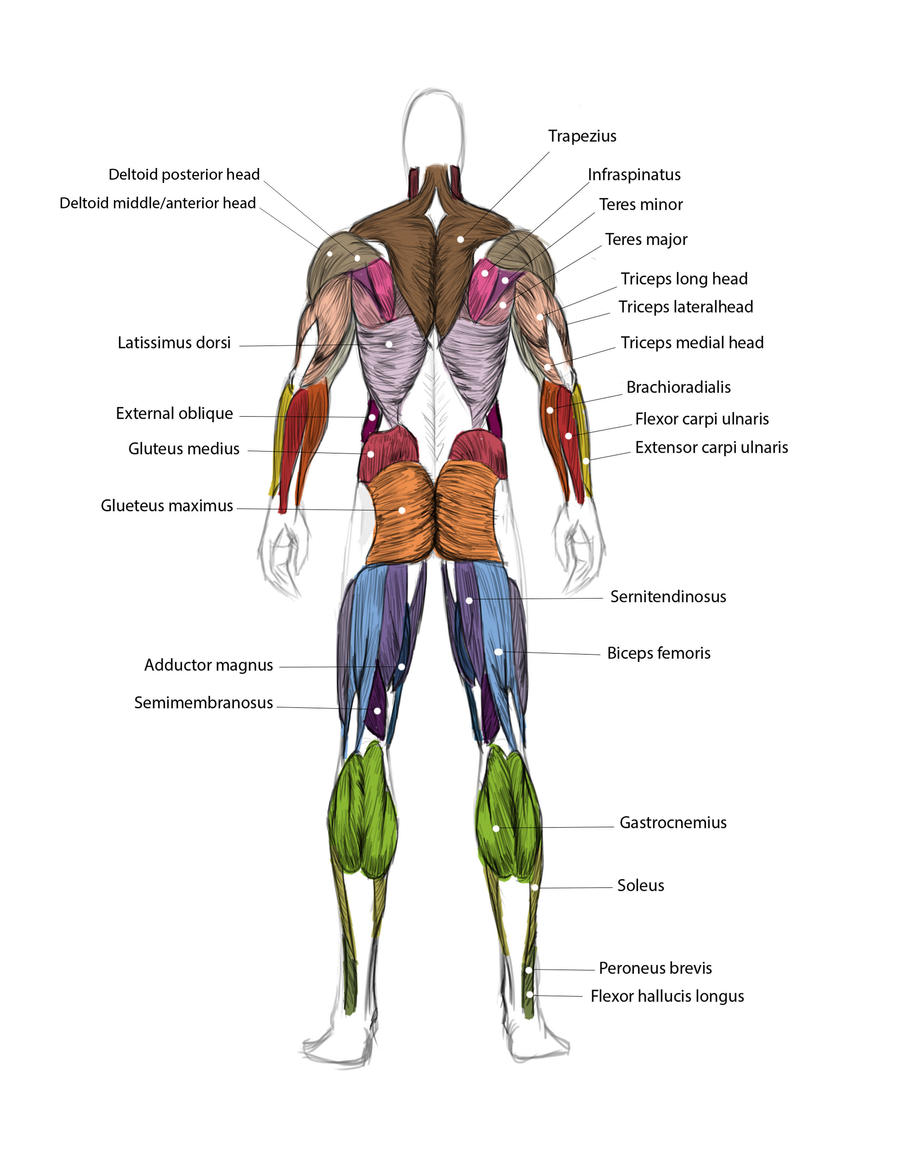
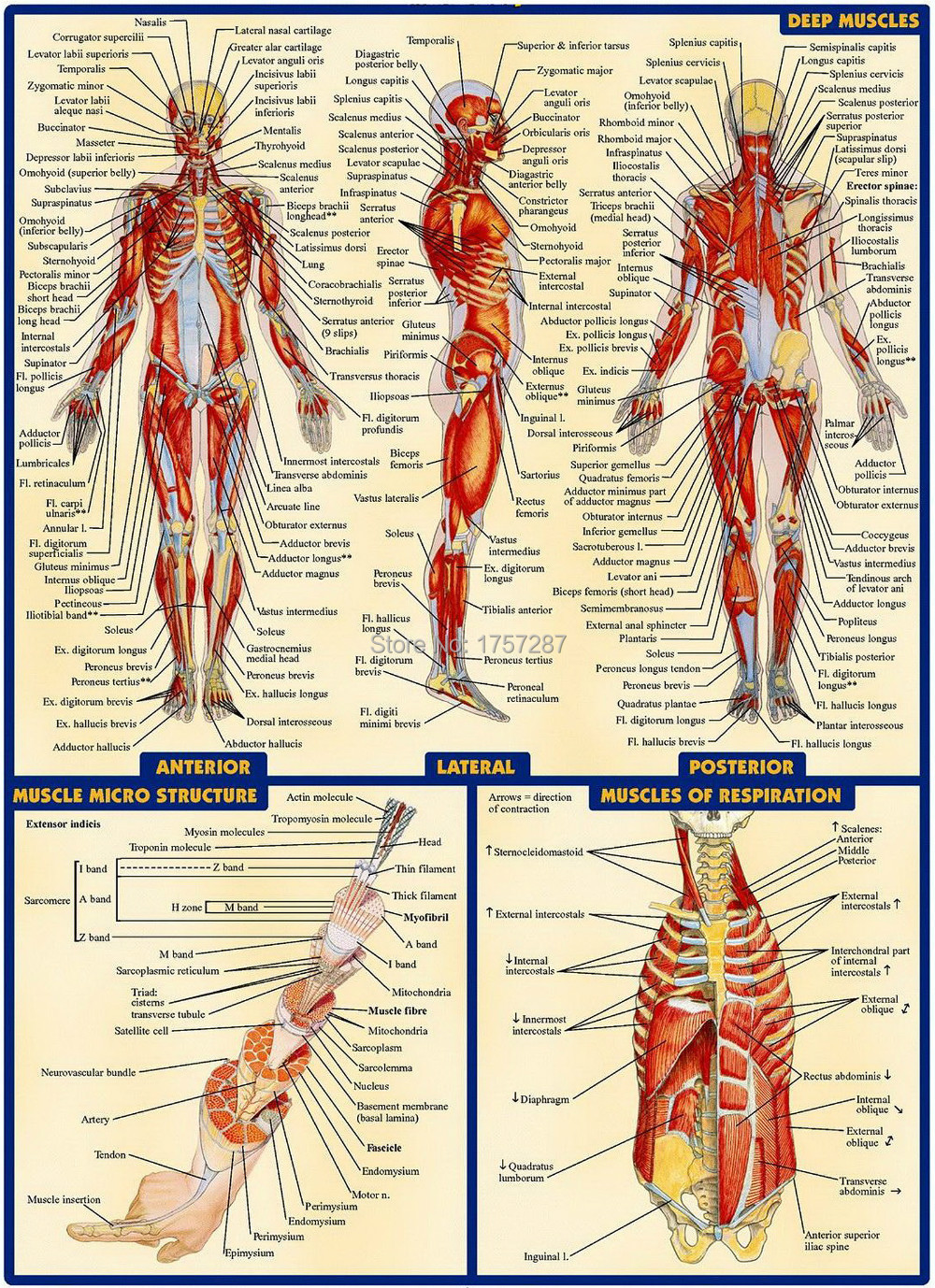
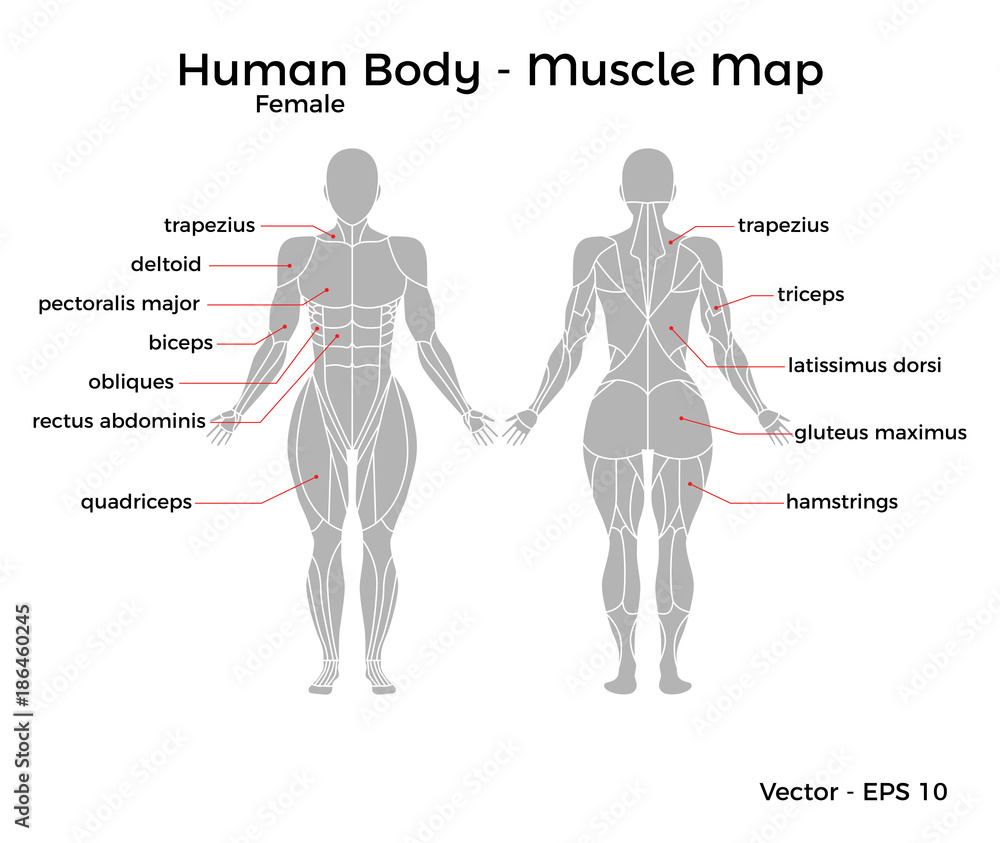
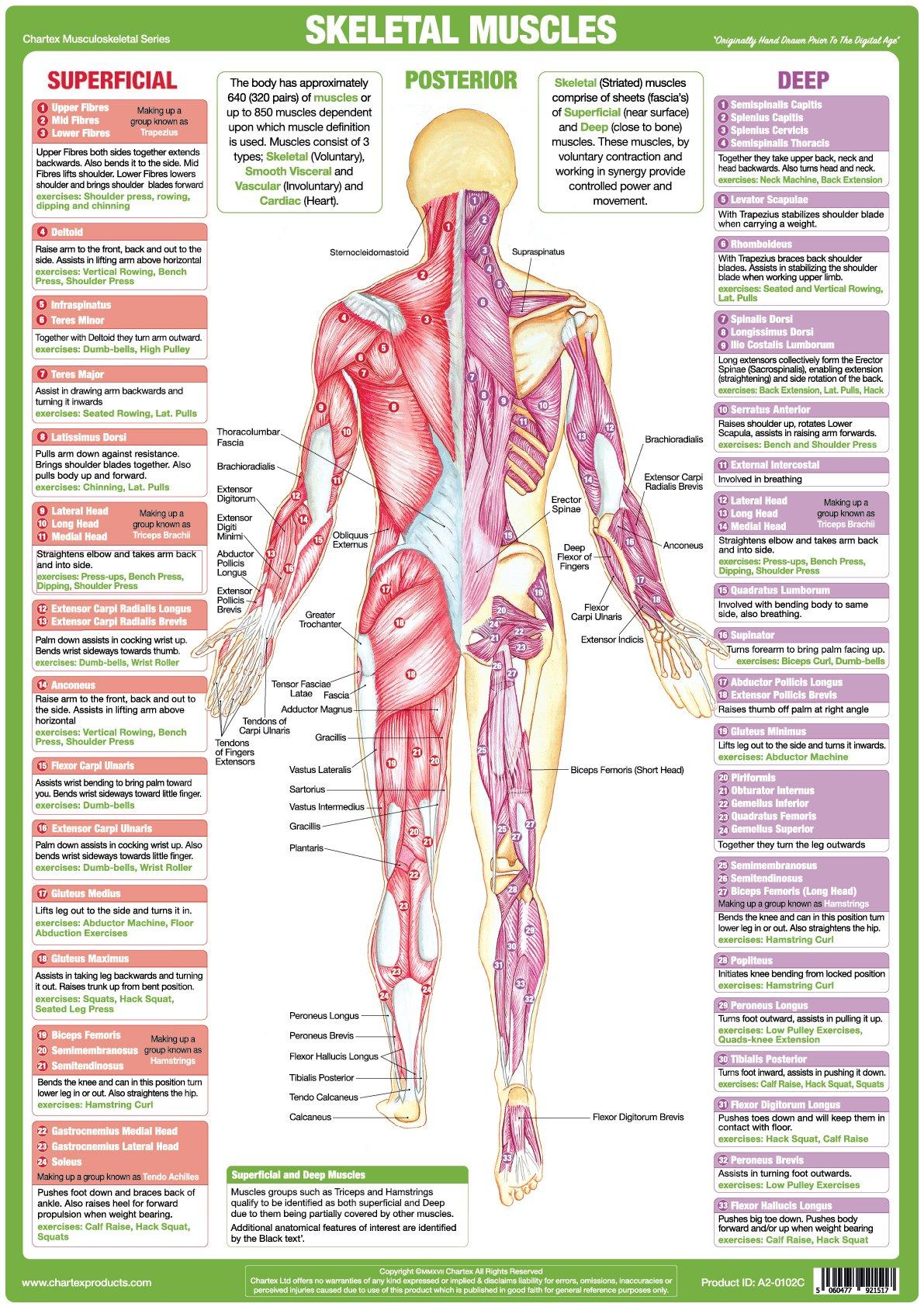
The human body is a marvel of engineering, a complex machine capable of incredible feats of strength, agility, and endurance. At the heart of this remarkable system lies the muscular system, a network of over 600 muscles working in concert to facilitate movement, maintain posture, and even generate heat. Understanding the intricate "muscle map" – the location, function, and interaction of these muscles – is crucial not only for athletes and fitness enthusiasts, but also for anyone seeking to optimize their health, prevent injuries, and appreciate the sheer brilliance of human anatomy.
This article will delve into a comprehensive muscle map, exploring the major muscle groups, their specific functions, and their roles in common movements. We’ll also discuss the different types of muscle tissue and offer insights into how to effectively train and care for your muscles.
Understanding the Three Types of Muscle Tissue
Before we embark on our anatomical journey, it’s important to differentiate the three types of muscle tissue that make up the muscular system:
- Skeletal Muscle: Attached to bones via tendons, skeletal muscle is responsible for voluntary movements. These muscles are striated (striped) in appearance due to the arrangement of protein filaments within the muscle fibers. We consciously control skeletal muscles to walk, lift objects, and perform countless other actions.
- Smooth Muscle: Found in the walls of internal organs such as the stomach, intestines, and blood vessels, smooth muscle controls involuntary movements like digestion and blood pressure regulation. It lacks the striated appearance of skeletal muscle and contracts slowly and rhythmically.
- Cardiac Muscle: Exclusively found in the heart, cardiac muscle is responsible for pumping blood throughout the body. Like skeletal muscle, it’s striated, but it also possesses properties of smooth muscle, such as involuntary control and rhythmic contractions.
Our focus will primarily be on skeletal muscles, as they are the muscles we consciously control and are most directly involved in physical activity.
Mapping the Major Muscle Groups: A Regional Exploration
Let’s take a closer look at the major muscle groups, starting from the head and working our way down:
1. Head and Neck Muscles:
- Facial Muscles: These small but crucial muscles control facial expressions, allowing us to smile, frown, and convey a wide range of emotions. Key examples include the orbicularis oculi (around the eyes), orbicularis oris (around the mouth), and zygomaticus major (responsible for smiling).
- Masseter and Temporalis: These are the primary muscles of mastication (chewing). The masseter is located at the angle of the jaw, while the temporalis covers the side of the head.
- Sternocleidomastoid (SCM): A prominent muscle on the side of the neck, the SCM flexes the neck, rotates the head, and assists in breathing.
- Trapezius: While extending from the neck to the upper back, the trapezius also plays a significant role in neck movement, including tilting the head and shrugging the shoulders.
2. Shoulder Muscles:
- Deltoid: This large, triangular muscle covers the shoulder joint and is responsible for shoulder abduction (raising the arm away from the body), flexion (raising the arm forward), and extension (moving the arm backward). It has three heads: anterior, lateral, and posterior.
- Rotator Cuff Muscles: A group of four muscles (supraspinatus, infraspinatus, teres minor, and subscapularis) that stabilize the shoulder joint and enable a wide range of arm movements, including rotation. These muscles are particularly susceptible to injury.
3. Chest and Back Muscles:
- Pectoralis Major: This large muscle spans the chest and is responsible for adduction (bringing the arm towards the body), internal rotation, and flexion of the arm.
- Latissimus Dorsi: The largest muscle in the upper body, the latissimus dorsi covers a large portion of the back and is responsible for adduction, extension, and internal rotation of the arm. It’s crucial for pulling movements.
- Trapezius: As mentioned earlier, the trapezius extends from the neck to the mid-back and is responsible for scapular elevation (shrugging), depression, retraction (squeezing the shoulder blades together), and upward rotation.
- Rhomboids: Located beneath the trapezius, the rhomboids retract and elevate the scapula.
- Erector Spinae: A group of muscles that run along the spine, the erector spinae are responsible for extending the spine and maintaining posture.
4. Arm Muscles:
- Biceps Brachii: Located on the front of the upper arm, the biceps brachii is responsible for flexing the elbow and supinating the forearm (turning the palm upwards).
- Triceps Brachii: Located on the back of the upper arm, the triceps brachii is responsible for extending the elbow.
- Brachialis: Located deep to the biceps brachii, the brachialis is a powerful elbow flexor.
- Forearm Muscles: A complex group of muscles responsible for wrist flexion, extension, pronation (turning the palm downwards), supination, and finger movements.
5. Abdominal Muscles:
- Rectus Abdominis: The "six-pack" muscle, the rectus abdominis is responsible for flexing the spine and compressing the abdomen.
- Obliques (External and Internal): Located on the sides of the abdomen, the obliques are responsible for trunk rotation, lateral flexion, and abdominal compression.
- Transversus Abdominis: The deepest abdominal muscle, the transversus abdominis acts as a natural weight belt, stabilizing the spine and supporting internal organs.
6. Leg Muscles:
- Quadriceps Femoris: Located on the front of the thigh, the quadriceps femoris is a group of four muscles (rectus femoris, vastus lateralis, vastus medialis, and vastus intermedius) that extend the knee.
- Hamstrings: Located on the back of the thigh, the hamstrings are a group of three muscles (biceps femoris, semitendinosus, and semimembranosus) that flex the knee and extend the hip.
- Gluteal Muscles: Located in the buttocks, the gluteal muscles (gluteus maximus, gluteus medius, and gluteus minimus) are responsible for hip extension, abduction, and rotation.
- Calf Muscles: Located on the back of the lower leg, the calf muscles (gastrocnemius and soleus) are responsible for plantar flexion of the foot (pointing the toes downwards).
- Tibialis Anterior: Located on the front of the lower leg, the tibialis anterior is responsible for dorsiflexion of the foot (lifting the toes upwards).
Muscle Function in Common Movements:
Understanding how muscles work together to produce movement is essential. Here are a few examples:
- Walking: Requires coordinated activation of muscles in the legs, hips, core, and even the arms. The glutes and hamstrings extend the hip, the quadriceps extend the knee, and the calf muscles plantar flex the ankle to propel the body forward.
- Lifting: Involves muscles throughout the body, from the legs (quadriceps, hamstrings, glutes) to the back (erector spinae, latissimus dorsi) to the arms (biceps, triceps).
- Throwing: A complex movement that requires sequential activation of muscles in the legs, core, shoulder, and arm to generate power and accuracy.
Training and Caring for Your Muscles:
To maximize the benefits of your muscular system, consider these tips:
- Strength Training: Engage in regular strength training exercises to build muscle mass, increase strength, and improve overall fitness.
- Proper Form: Prioritize proper form over lifting heavy weights to prevent injuries.
- Balanced Training: Train all muscle groups to avoid imbalances and promote overall functional strength.
- Nutrition: Consume a balanced diet with adequate protein to support muscle growth and repair.
- Rest and Recovery: Allow your muscles sufficient time to rest and recover between workouts.
- Stretching: Regularly stretch your muscles to improve flexibility and range of motion.
- Hydration: Stay adequately hydrated to support muscle function and prevent cramps.
Conclusion:
The muscular system is a remarkable and complex network that enables us to move, function, and interact with the world around us. Understanding the muscle map – the location, function, and interaction of these muscles – is essential for optimizing health, preventing injuries, and appreciating the incredible power of the human body. By incorporating regular exercise, proper nutrition, and adequate rest, you can unlock the full potential of your muscular system and enjoy a healthier, more active life. This detailed exploration provides a foundational understanding of the muscle map, encouraging further exploration and appreciation for the intricate mechanics within.