By admin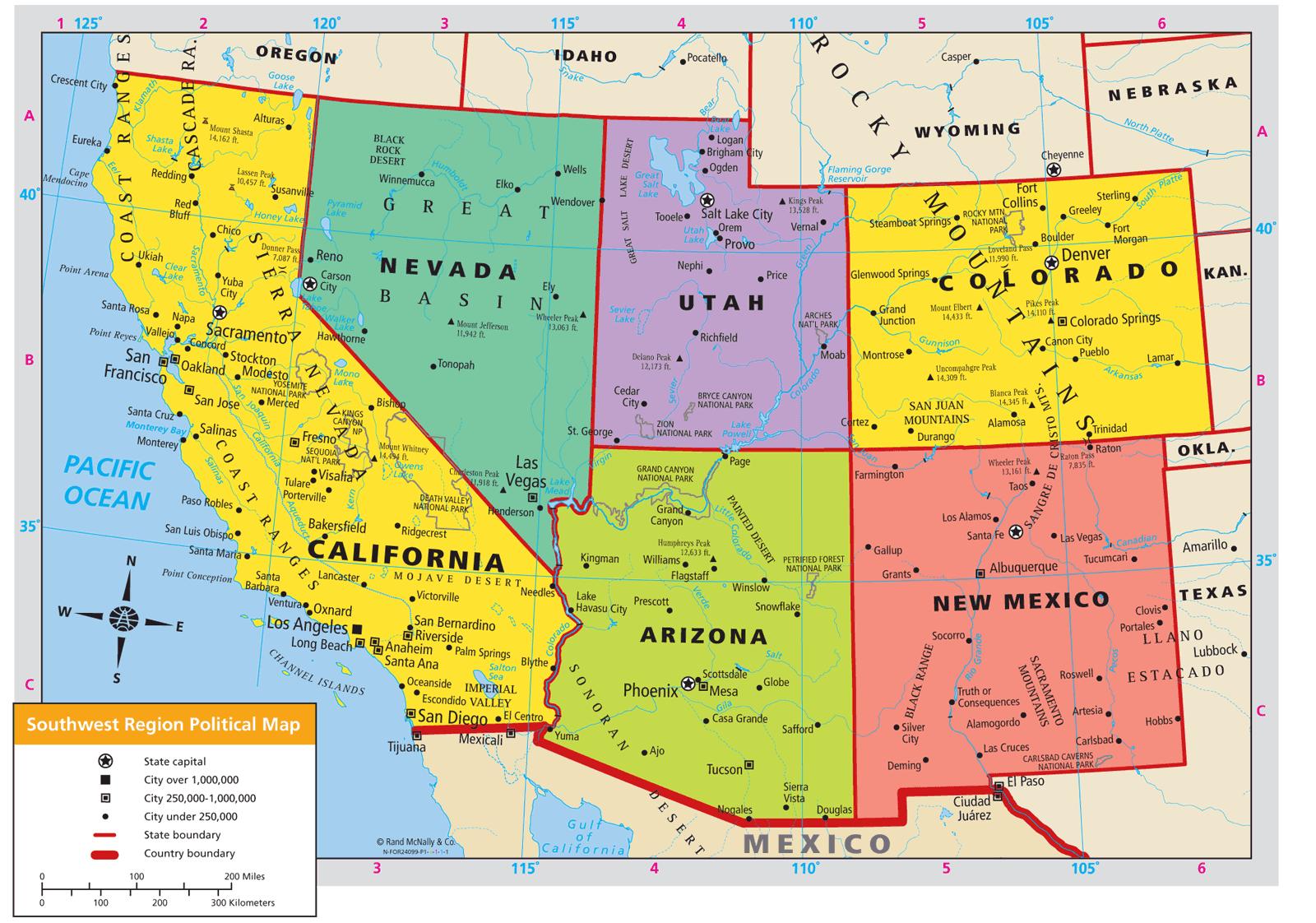
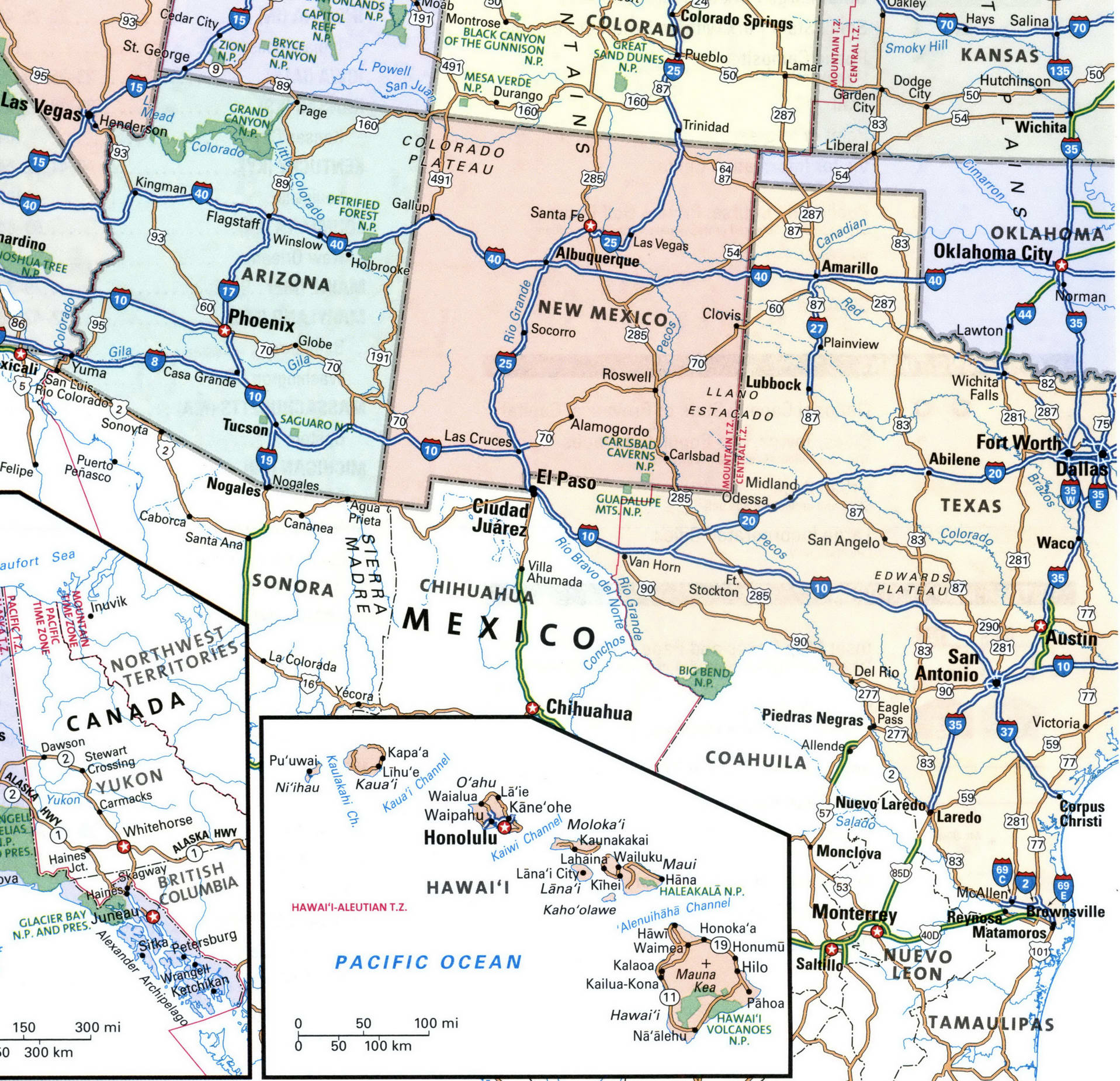
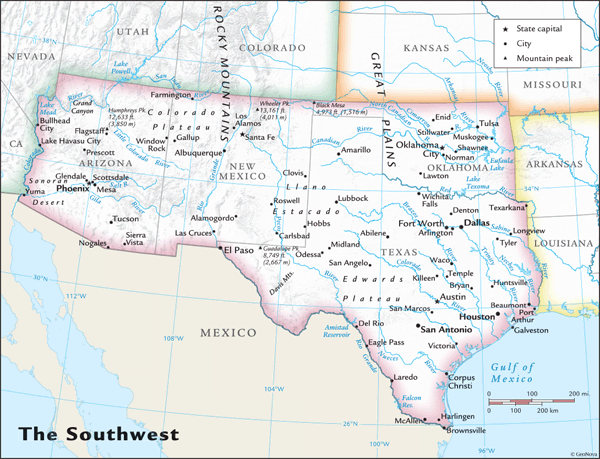
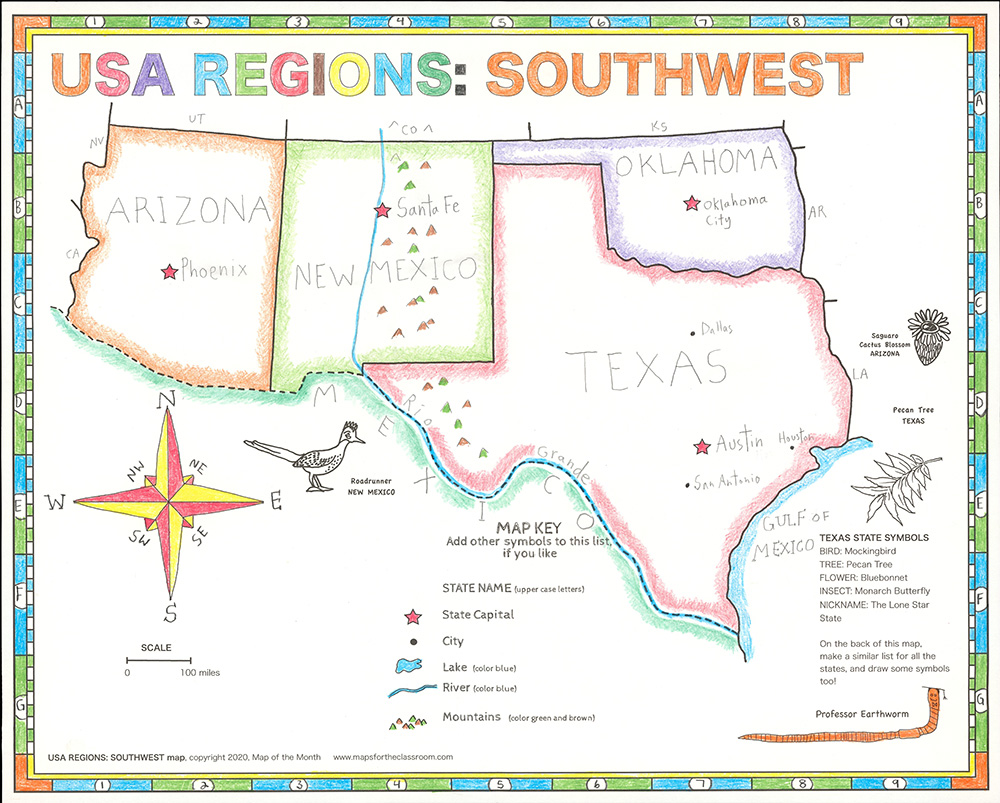
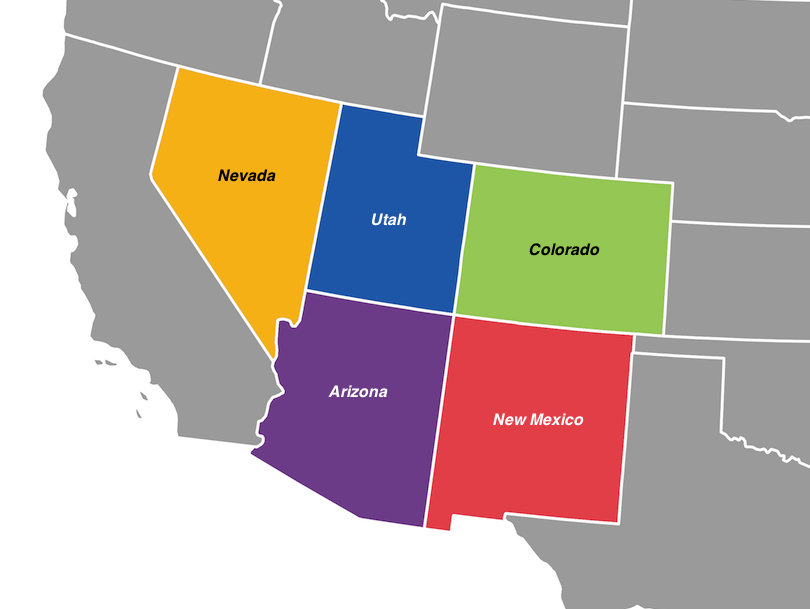
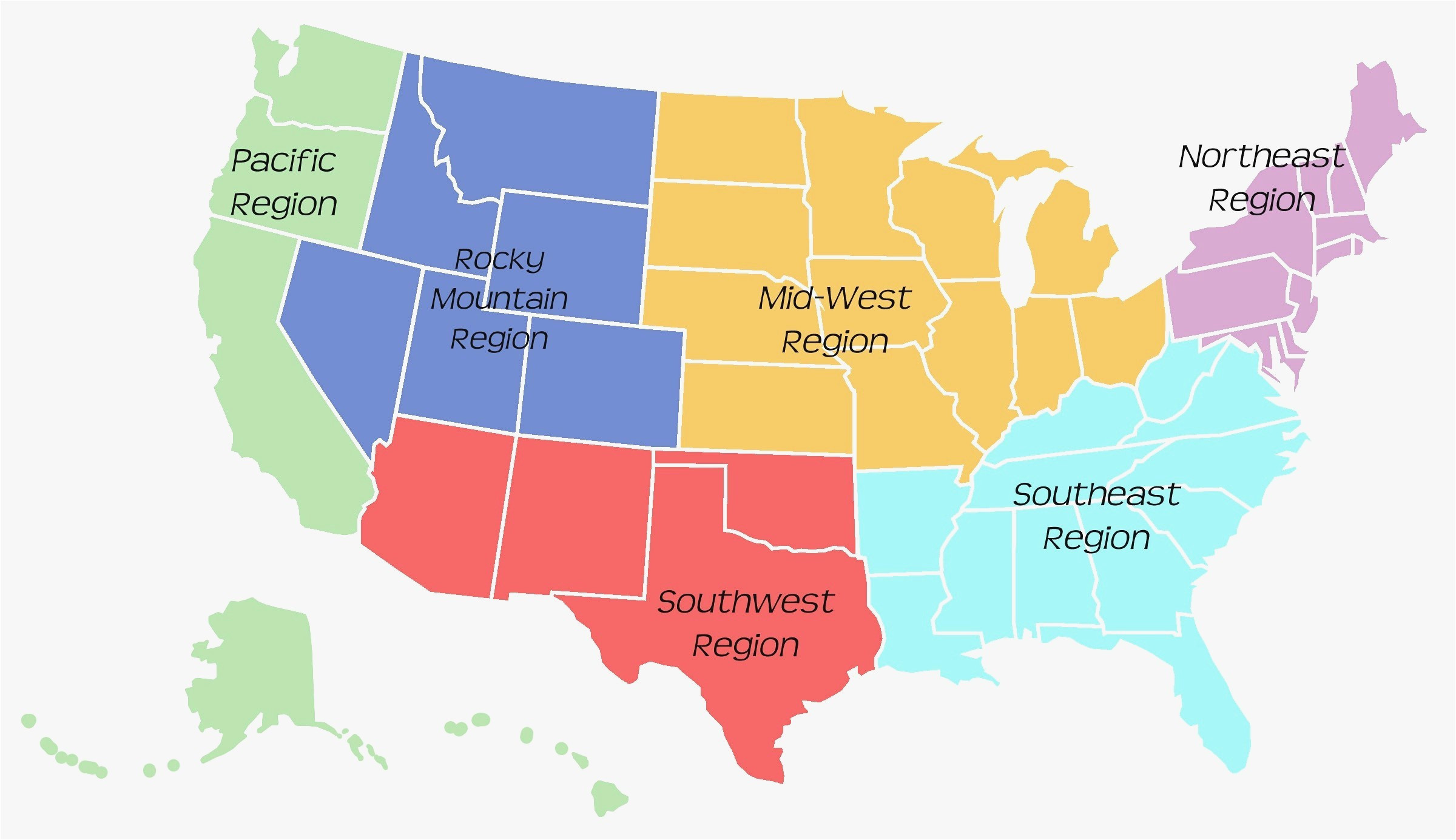
The American Southwest, a land of stark beauty, dramatic landscapes, and a rich cultural heritage, captivates the imagination and draws visitors from across the globe. Defined loosely, the region typically encompasses Arizona, New Mexico, and parts of California, Nevada, Utah, Colorado, and even Texas. This article will delve into the geographical features, historical influences, and cultural nuances that shape this captivating region, providing a deeper understanding of what makes the Southwest so unique.
A Land Forged by Geology: Sculpting the Southwestern Landscape
The Southwest’s defining characteristic is undoubtedly its breathtaking landscape, a result of millions of years of geological processes. Dominated by the Colorado Plateau, a vast elevated region, the area is characterized by:
-
The Grand Canyon: Perhaps the most iconic feature, the Grand Canyon in Arizona is a colossal gorge carved by the Colorado River over millennia. Its layered rock formations tell a story of geological time, exposing ancient sediments and volcanic activity.
-
Monument Valley: Straddling the Arizona-Utah border, Monument Valley is a landscape of towering sandstone buttes and mesas, sculpted by erosion over countless centuries. These imposing formations, often featured in Western films, are a testament to the power of wind and water.
-
Petrified Forest National Park: Located in Arizona, this park boasts a stunning collection of petrified wood, the fossilized remains of ancient trees that have been replaced by minerals over millions of years. The vibrant colors and intricate patterns within the petrified logs are a sight to behold.
-
The Painted Desert: Extending across northern Arizona, the Painted Desert is a vast expanse of colorful badlands, characterized by layers of sedimentary rock in shades of red, orange, yellow, and purple. The ever-changing light and shadow create a mesmerizing spectacle.
-
Volcanic Features: The Southwest also exhibits a history of volcanic activity, evidenced by features like Sunset Crater Volcano National Monument in Arizona, a cinder cone volcano that erupted around 1085 AD. The region also boasts numerous lava flows and volcanic mesas.
The arid climate plays a crucial role in shaping the Southwestern landscape. Limited rainfall and intense sunlight contribute to weathering and erosion, further sculpting the dramatic formations that define the region. The scarcity of water has also influenced the development of unique ecosystems and human settlement patterns.
A History Etched in Stone: Tracing the Human Story of the Southwest
The human history of the Southwest is as rich and complex as its geological history, stretching back thousands of years. Indigenous peoples have inhabited the region for millennia, developing sophisticated cultures and agricultural practices adapted to the challenging environment.
-
Ancestral Puebloans (Anasazi): From around 750 AD to 1300 AD, the Ancestral Puebloans flourished in the Four Corners region (where Arizona, New Mexico, Colorado, and Utah meet). They are renowned for their impressive cliff dwellings, such as those found at Mesa Verde National Park in Colorado and Chaco Canyon National Historical Park in New Mexico. These elaborate structures, built into the faces of cliffs, provided shelter and defense.
-
Pueblo Cultures: Descendants of the Ancestral Puebloans continue to inhabit the region, maintaining their traditional cultures and languages. The Pueblos of New Mexico, such as Taos Pueblo, Acoma Pueblo, and Zuni Pueblo, are living communities with a rich history and vibrant traditions.
-
Navajo (Diné): The Navajo, the largest Native American tribe in the United States, migrated to the Southwest from Canada around the 15th century. They developed a distinct culture and language, and their intricate weaving and silversmithing are highly prized.
-
Apache: The Apache, another Athabaskan-speaking group, also migrated to the Southwest and developed a nomadic lifestyle, relying on hunting and gathering. They were known for their fierce independence and resistance to Spanish and American colonization.
The arrival of the Spanish in the 16th century marked a turning point in the history of the Southwest. Spanish explorers, missionaries, and settlers introduced new crops, livestock, and religious beliefs. The Spanish established missions and presidios (forts) throughout the region, seeking to convert the indigenous population and control the territory.
The American conquest of the Southwest in the 19th century further transformed the region. The Treaty of Guadalupe Hidalgo in 1848 ceded vast territories to the United States, including present-day Arizona, New Mexico, and parts of California, Nevada, Utah, and Colorado. The arrival of American settlers, miners, and ranchers led to conflicts with Native American tribes and the displacement of many indigenous peoples.
A Cultural Mosaic: Blending Traditions in the American Southwest
The cultural landscape of the Southwest is a vibrant mosaic, reflecting the diverse influences of indigenous peoples, Spanish colonizers, and American settlers. This blending of cultures has created a unique regional identity, evident in the region’s art, architecture, cuisine, and traditions.
-
Indigenous Art and Culture: Native American art forms, such as pottery, weaving, basketry, and jewelry, are integral to the cultural identity of the Southwest. Traditional designs and techniques have been passed down through generations, and these art forms continue to be practiced and celebrated today. Native American ceremonies and dances are also an important part of the region’s cultural heritage.
-
Spanish Colonial Influence: The Spanish colonial era left a lasting mark on the Southwest, evident in the region’s architecture, language, and religious traditions. Spanish-style architecture, characterized by adobe construction, arched doorways, and tiled roofs, is prevalent throughout the region. Spanish is still widely spoken, and Catholicism is a major religion.
-
American Western Identity: The American West, including the Southwest, has a strong cultural identity associated with cowboys, ranchers, and the open range. This image, often romanticized in popular culture, reflects the region’s history of cattle ranching and frontier life.
-
Cuisine: Southwestern cuisine is a fusion of indigenous, Spanish, and Mexican flavors. Common ingredients include chili peppers, corn, beans, and squash. Dishes such as enchiladas, tamales, and posole are staples of the Southwestern diet.
-
Art and Architecture: The Southwest has fostered a thriving art scene, with artists drawing inspiration from the region’s landscapes, cultures, and history. The region is known for its distinctive architectural styles, including adobe construction, Pueblo Revival architecture, and Mission Revival architecture.
Challenges and Opportunities: Navigating the Future of the Southwest
The American Southwest faces a number of challenges in the 21st century, including:
-
Water Scarcity: The arid climate and growing population have put a strain on the region’s water resources. Water conservation and sustainable water management practices are crucial for ensuring the long-term viability of the Southwest.
-
Climate Change: The Southwest is particularly vulnerable to the impacts of climate change, including rising temperatures, increased drought, and more frequent wildfires.
-
Economic Development: The region faces challenges related to economic development, including poverty, unemployment, and access to education and healthcare.
Despite these challenges, the Southwest also possesses significant opportunities:
-
Tourism: The region’s stunning landscapes, rich cultural heritage, and unique attractions make it a popular tourist destination. Sustainable tourism can contribute to economic development while preserving the region’s natural and cultural resources.
-
Renewable Energy: The Southwest has abundant solar and wind energy resources, making it a prime location for renewable energy development.
-
Innovation and Technology: The region is home to a growing number of technology companies and research institutions, fostering innovation and economic growth.
Conclusion: A Land of Enduring Beauty and Cultural Significance
The American Southwest is a region of unparalleled beauty, rich history, and diverse cultures. From the towering cliffs of the Grand Canyon to the ancient ruins of Chaco Canyon, the Southwest offers a unique and unforgettable experience. By understanding the region’s geography, history, and cultural influences, we can better appreciate the enduring beauty and cultural significance of this captivating corner of the American landscape. The Southwest, with its challenges and opportunities, continues to evolve, but its spirit of resilience and its unique blend of cultures will undoubtedly shape its future for generations to come. It remains a place where the past and present converge, offering a glimpse into the ancient history of the land and the vibrant cultures that continue to thrive in its arid embrace.