By admin
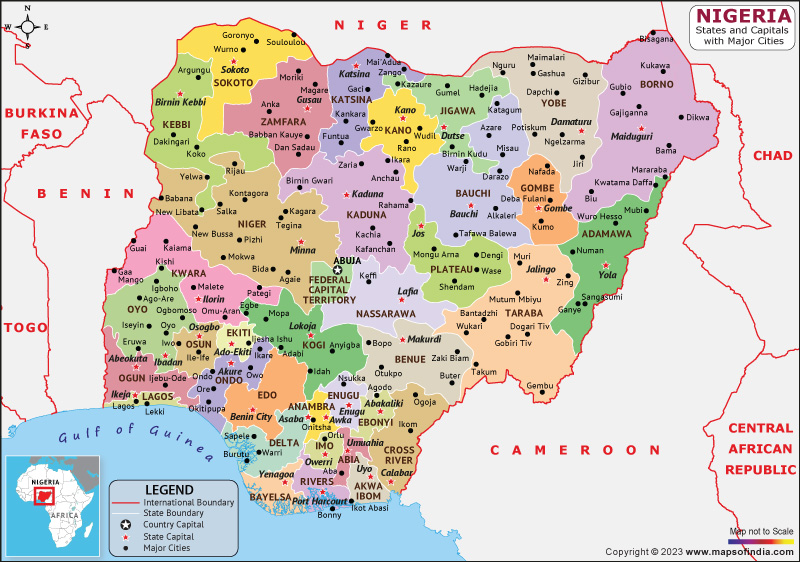
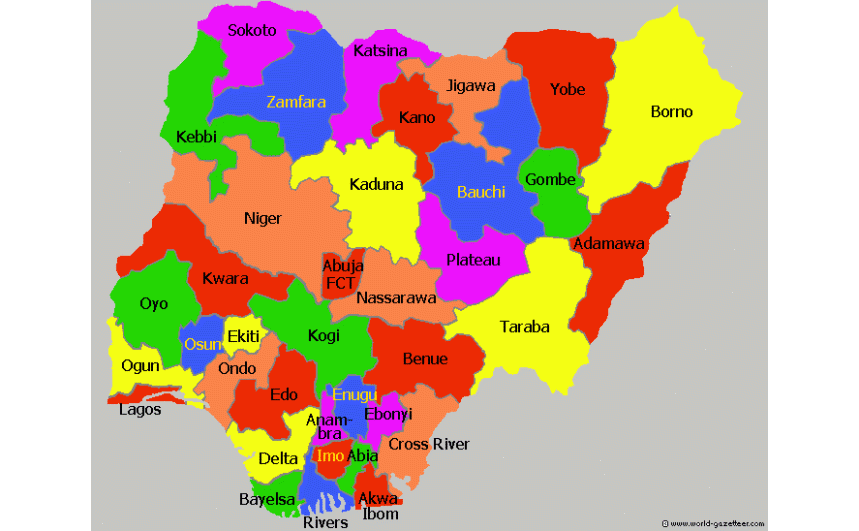
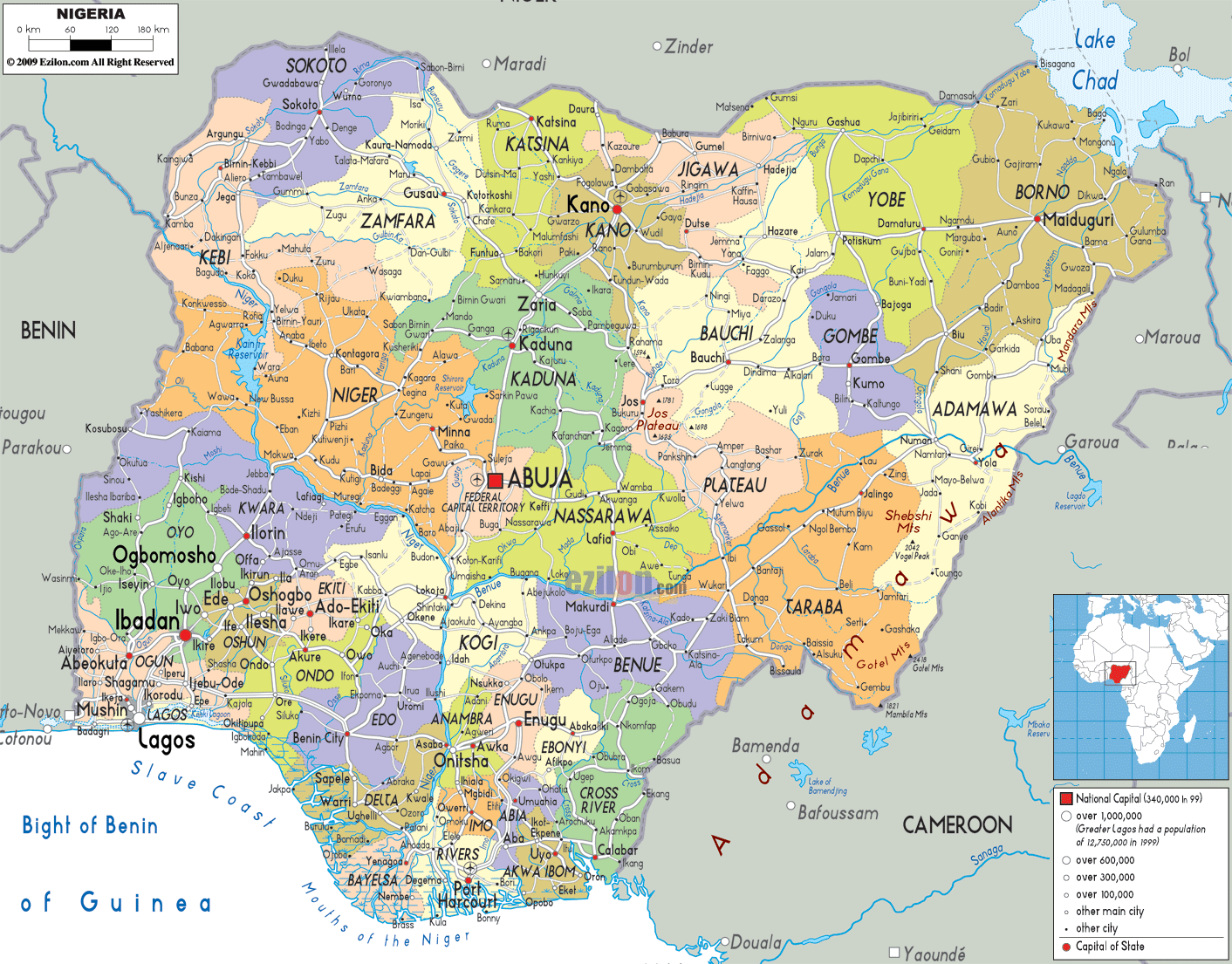
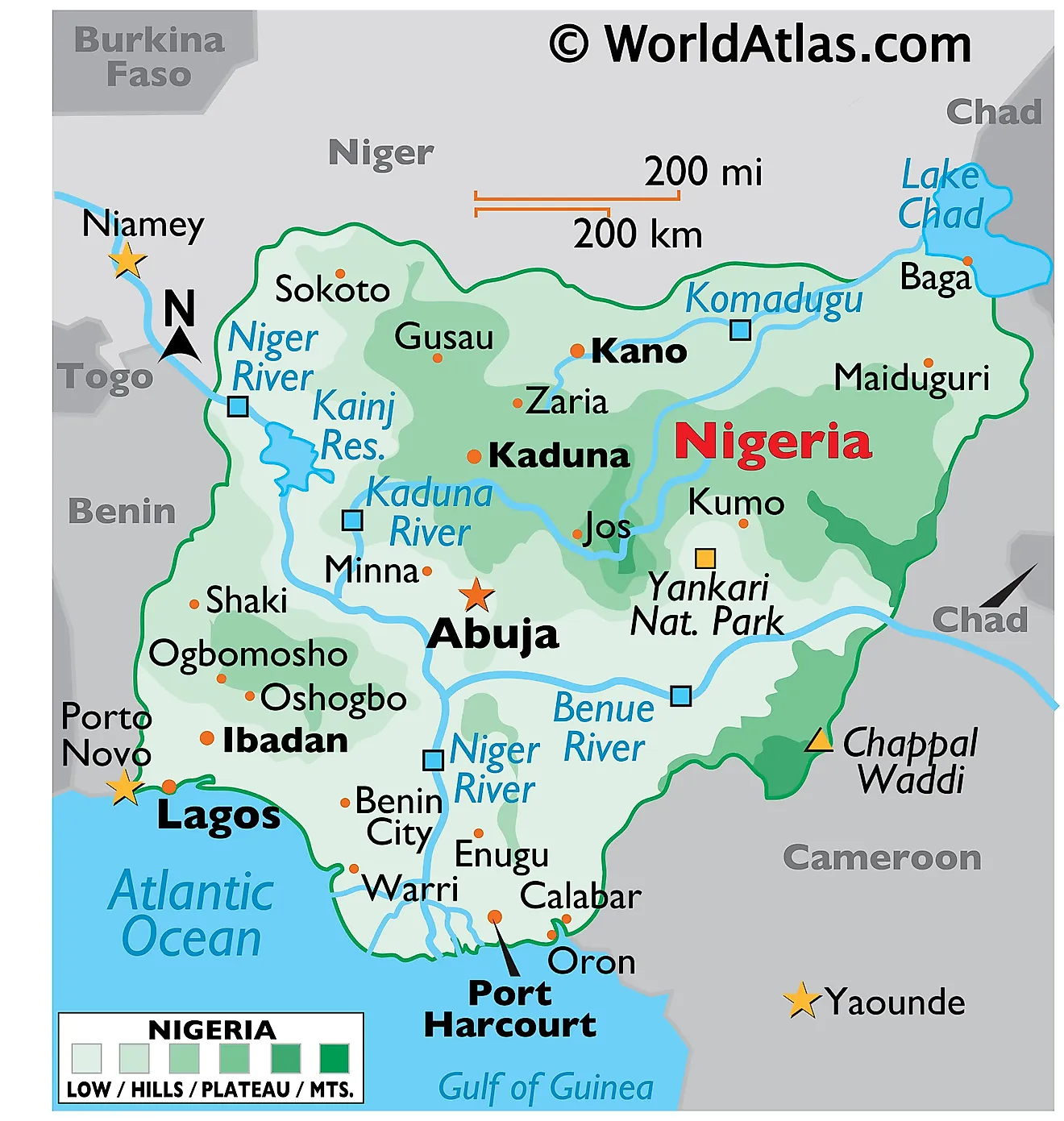
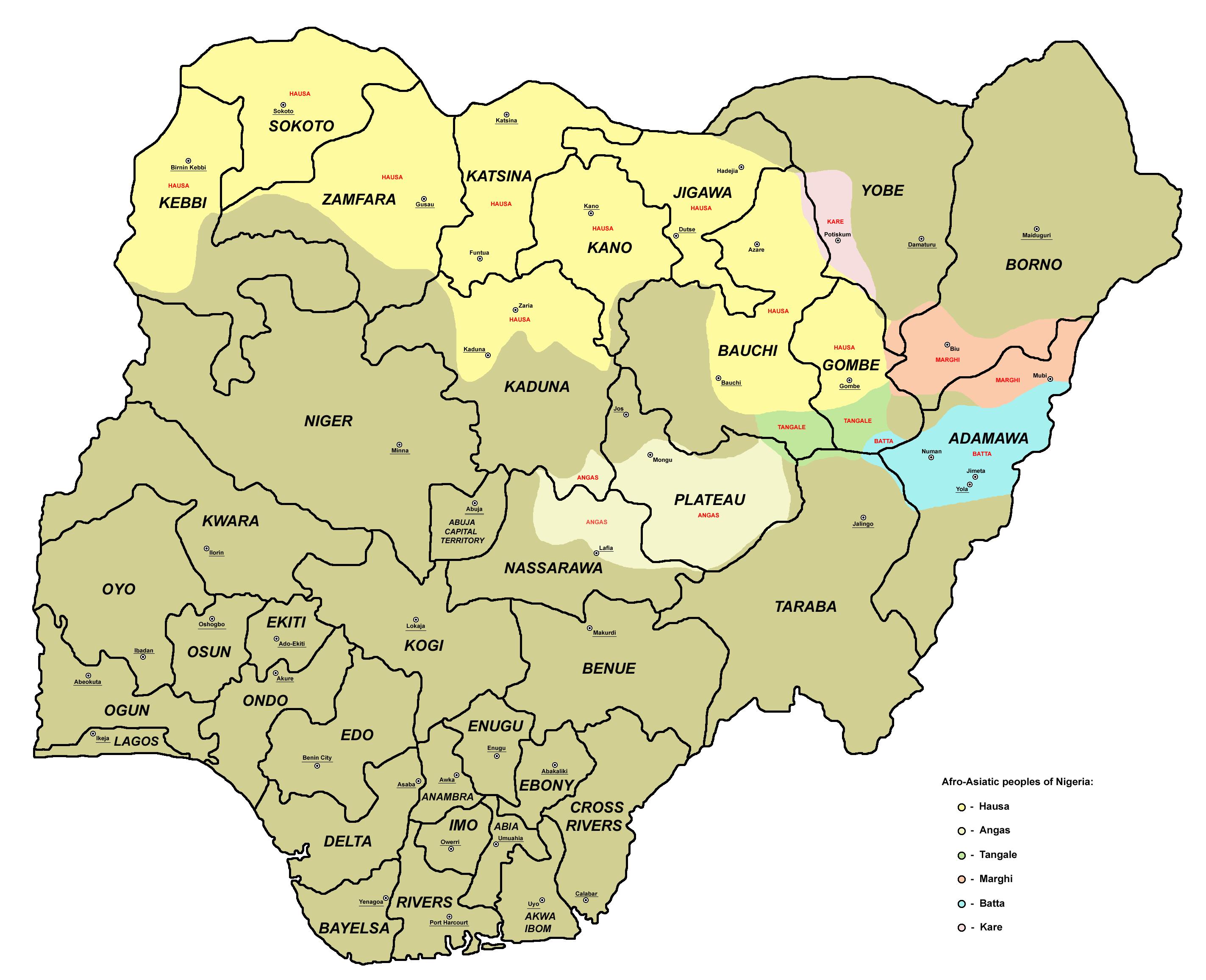
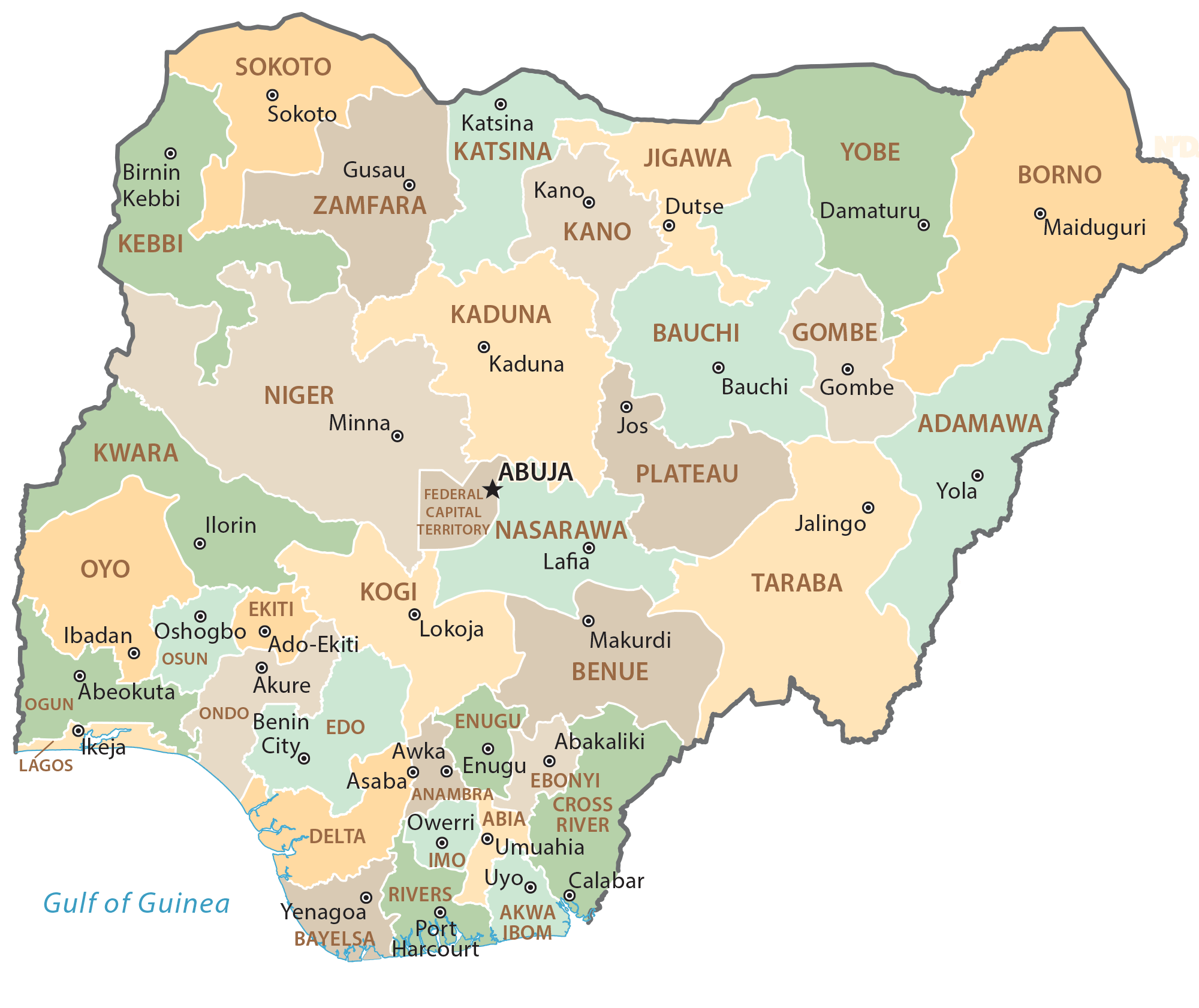
Nigeria, officially the Federal Republic of Nigeria, is a vibrant and diverse nation nestled in West Africa. Often referred to as the "Giant of Africa," its influence extends far beyond its borders, shaping the region’s political, economic, and cultural landscape. Understanding Nigeria requires understanding its geographical composition, a complex mosaic of 36 states, each with its unique history, culture, and contribution to the national fabric. This article delves into the Nigerian states map, exploring the diverse regions, their key features, and the stories etched into their geographical boundaries.
A Historical Overview: From Regions to States
Nigeria’s journey to its current state structure is a fascinating narrative of political evolution and administrative restructuring. Initially, after gaining independence in 1960, Nigeria operated under a regional system, with four powerful regions: Northern, Eastern, Western, and Mid-Western. These regions, largely based on ethnic dominance, wielded significant power, leading to imbalances and political instability.
The Nigerian Civil War (1967-1970) highlighted the need for a more balanced and unified administrative structure. In 1967, the military government divided the existing four regions into twelve states. This marked a significant shift towards decentralization and aimed to address ethnic tensions. Subsequent administrations further refined this structure, creating more states in 1976, 1987, 1991, and finally in 1996, bringing the total to the current 36 states, along with the Federal Capital Territory (FCT), Abuja.
This continuous restructuring aimed to achieve several goals:
- Reduce ethnic dominance: Creating more states diluted the power of the large, ethnically homogeneous regions.
- Promote development: Smaller states were believed to be more manageable and better suited for effective resource allocation and development planning.
- Enhance political representation: The increase in states translated to greater representation in the federal government.
- Address minority concerns: The creation of new states often aimed to accommodate the specific needs and aspirations of minority ethnic groups.
Navigating the Nigerian States Map: A Regional Breakdown
The 36 states of Nigeria are traditionally grouped into six geopolitical zones: North Central, North East, North West, South East, South South, and South West. These zones, while not official administrative divisions, serve as convenient groupings for political and socio-economic analysis.
1. North Central Zone:
This zone is characterized by its diverse terrain, ranging from rolling hills to fertile plains. It is often referred to as the "Middle Belt" due to its location between the predominantly Hausa-Fulani North and the predominantly Yoruba and Igbo South. The North Central zone comprises:
- Benue State: Known as the "Food Basket of the Nation," Benue is renowned for its agricultural production, particularly yam, rice, and fruits. The state is home to the Tiv people, one of Nigeria’s largest ethnic groups.
- Kogi State: Strategically located at the confluence of the Niger and Benue Rivers, Kogi is a vital transportation hub. It boasts rich mineral resources, including iron ore and coal.
- Kwara State: A state with a rich cultural heritage, Kwara is known for its traditional art and craft, particularly pottery and weaving. The capital, Ilorin, is a significant center of Islamic learning.
- Nasarawa State: Bordering the FCT, Nasarawa is experiencing rapid urbanization and development. It is known for its agricultural potential and mineral resources, including barite and salt.
- Niger State: The largest state in Nigeria by land area, Niger is home to the Kainji Dam, a crucial source of hydroelectric power for the country. The state is predominantly agrarian.
- Plateau State: Known as the "Home of Peace and Tourism," Plateau is blessed with stunning landscapes, including the Jos Plateau, which offers a cooler climate and attracts tourists.
2. North East Zone:
This zone is located in the arid and semi-arid regions of Nigeria, facing significant challenges related to desertification and insecurity. It is characterized by its resilience and strong cultural traditions. The North East zone includes:
- Adamawa State: Known for its diverse ethnic groups and scenic landscapes, Adamawa shares a border with Cameroon. The state is predominantly agrarian, with livestock farming being a significant activity.
- Bauchi State: Home to the Yankari National Park, one of Nigeria’s largest wildlife reserves, Bauchi offers unique ecotourism opportunities. The state is also known for its traditional architecture and craftsmanship.
- Borno State: The epicenter of the Boko Haram insurgency, Borno has faced immense challenges in recent years. The state has a rich history, dating back to the Kanem-Bornu Empire.
- Gombe State: A relatively new state, Gombe is focused on agricultural development and attracting investment. It is known for its peaceful environment and hospitality.
- Taraba State: Nicknamed "Nature’s Gift to the Nation," Taraba is blessed with diverse landscapes, including mountains, hills, and waterfalls. The state has significant agricultural potential.
- Yobe State: Located in the heart of the Sahel region, Yobe faces significant challenges related to desertification and water scarcity. The state is striving to diversify its economy beyond agriculture.
3. North West Zone:
This zone is characterized by its strong Islamic traditions and its significant contribution to Nigeria’s agricultural sector. It is predominantly populated by the Hausa-Fulani ethnic group. The North West zone comprises:
- Jigawa State: Known as the "New World," Jigawa is focused on agricultural development and poverty reduction. The state has a rich history, dating back to the pre-colonial era.
- Kaduna State: A significant industrial and commercial center in Northern Nigeria, Kaduna is a melting pot of cultures and religions. The state is home to the Nigerian Defence Academy.
- Kano State: The most populous state in Nigeria, Kano is a major commercial hub and a center of Islamic learning. The state boasts a rich history and vibrant cultural traditions.
- Katsina State: The home state of President Muhammadu Buhari, Katsina is known for its agricultural production, particularly cotton and groundnuts. The state has a strong equestrian tradition.
- Kebbi State: Located along the Niger River, Kebbi is known for its rice production and fishing industry. The state has a rich cultural heritage, including the Argungu Fishing Festival.
- Sokoto State: The seat of the Caliphate, Sokoto is a significant center of Islamic scholarship and culture. The state is known for its traditional architecture and craftsmanship.
- Zamfara State: Rich in mineral resources, particularly gold, Zamfara has faced challenges related to banditry and insecurity. The state is predominantly agrarian.
4. South East Zone:
This zone is predominantly populated by the Igbo ethnic group and is known for its entrepreneurial spirit and its strong emphasis on education. The South East zone includes:
- Abia State: Nicknamed "God’s Own State," Abia is known for its commercial activities, particularly in Aba, a major trading hub. The state is also known for its agricultural production, particularly palm oil and cassava.
- Anambra State: Known as the "Light of the Nation," Anambra is home to many successful entrepreneurs and industrialists. The state has a rich cultural heritage, including the Ofala festival.
- Ebonyi State: Known as the "Salt of the Nation," Ebonyi is rich in mineral resources, particularly lead and zinc. The state is also known for its agricultural production, particularly rice and yam.
- Enugu State: The former capital of the Eastern Region, Enugu is a significant industrial and commercial center. The state is known for its coal mining history and its educational institutions.
- Imo State: Known as the "Eastern Heartland," Imo is a vibrant state with a rich cultural heritage. The state is known for its entertainment industry and its entrepreneurial spirit.
5. South South Zone:
This zone is the heart of Nigeria’s oil production and is known for its rich cultural heritage and its diverse ethnic groups. The South South zone comprises:
- Akwa Ibom State: Known as the "Land of Promise," Akwa Ibom is rich in oil and gas resources. The state is known for its beautiful beaches and its vibrant cultural traditions.
- Bayelsa State: Located in the Niger Delta, Bayelsa is rich in oil and gas resources. The state faces significant challenges related to environmental degradation and poverty.
- Cross River State: Known as the "People’s Paradise," Cross River is blessed with stunning landscapes, including rainforests, mountains, and waterfalls. The state is a popular tourist destination.
- Delta State: Located in the Niger Delta, Delta is a major oil-producing state. The state has a rich cultural heritage and a diverse ethnic population.
- Edo State: Known as the "Heartbeat of Nigeria," Edo is rich in cultural heritage, particularly its Benin Bronzes. The state is also known for its agricultural production, particularly rubber and cocoa.
- Rivers State: A major oil-producing state and a significant commercial center, Rivers is home to the city of Port Harcourt, a major port and industrial hub.
6. South West Zone:
This zone is predominantly populated by the Yoruba ethnic group and is known for its vibrant culture, its entrepreneurial spirit, and its strong emphasis on education. The South West zone includes:
- Lagos State: The most populous state in Nigeria and the economic capital of the country, Lagos is a bustling metropolis with a vibrant culture and a diverse economy.
- Ogun State: Known as the "Gateway State," Ogun borders Lagos and is a major industrial and commercial center. The state is known for its educational institutions and its entrepreneurial spirit.
- Ondo State: Known as the "Sunshine State," Ondo is rich in natural resources, including cocoa, timber, and oil. The state is known for its beautiful beaches and its vibrant cultural traditions.
- Osogbo State: Known as the "State of Living Spring," Osun is rich in cultural heritage, particularly its Osun-Osogbo Sacred Grove, a UNESCO World Heritage Site.
- Oyo State: The former capital of the Western Region, Oyo is a major agricultural and commercial center. The state is known for its historical sites and its vibrant cultural traditions.
The Federal Capital Territory (FCT), Abuja:
Located in the North Central zone, Abuja is the Federal Capital Territory of Nigeria. It was established in 1976 and became the official capital in 1991, replacing Lagos. Abuja is a planned city, designed to be a symbol of national unity and progress.
Conclusion:
The Nigerian states map is more than just a geographical representation; it is a reflection of the country’s complex history, its diverse cultures, and its aspirations for unity and development. Each of the 36 states contributes uniquely to the national identity, adding to the richness and complexity that defines Nigeria as the "Giant of Africa." Understanding the individual characteristics and regional dynamics of these states is crucial for appreciating the multifaceted nature of this dynamic and influential nation. As Nigeria continues to evolve, its states will undoubtedly play a vital role in shaping its future.