By admin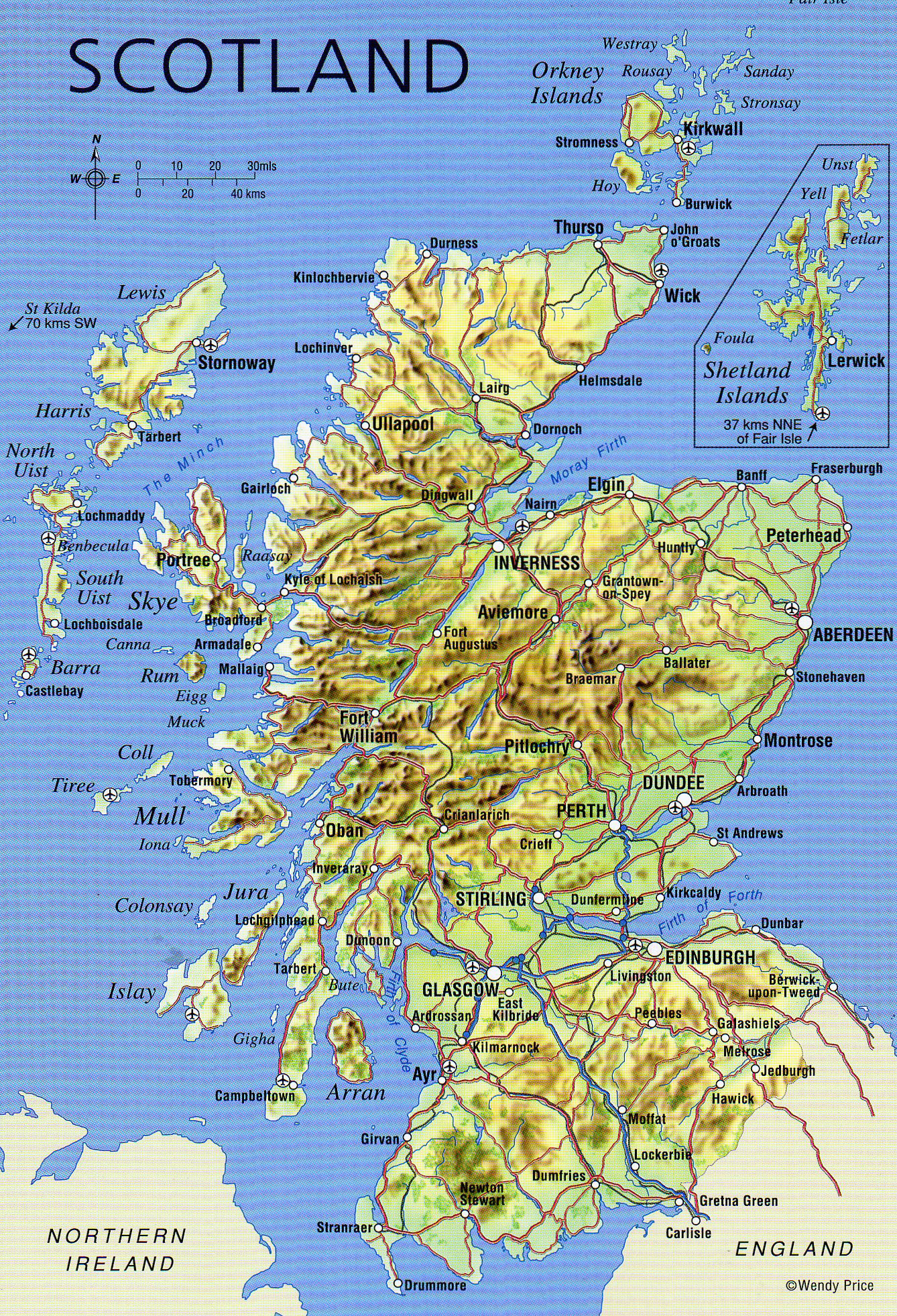
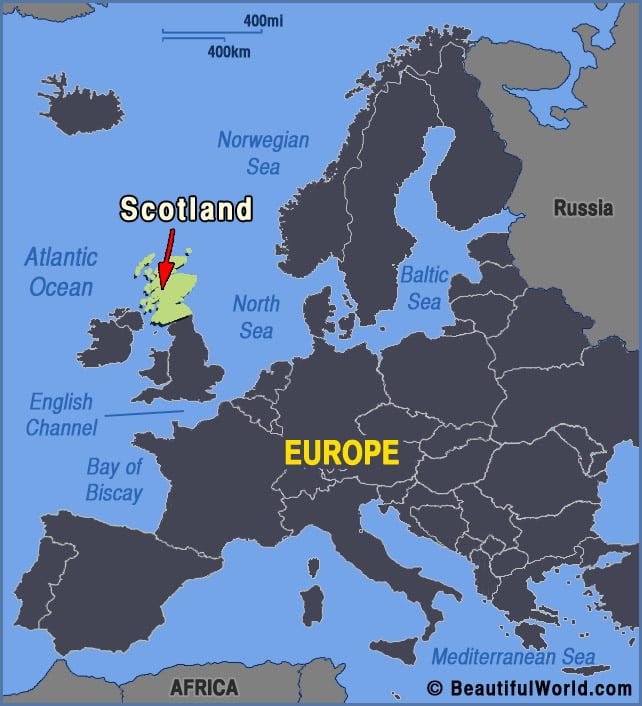
Scotland, a nation occupying the northern third of the island of Great Britain, stands as a distinct and compelling entity on the map of Europe. More than just a geographical location, Scotland is a tapestry woven with threads of ancient history, breathtaking landscapes, vibrant culture, and a fiercely independent spirit. Its position on the northwestern edge of Europe has shaped its identity, influenced its development, and contributed to its unique allure. From its rugged Highlands and shimmering lochs to its bustling cities and charming coastal villages, Scotland offers a rich and diverse experience that captivates visitors and endures in the collective imagination.
A Strategic Location and a History Shaped by Geography:
Scotland’s geographical position has been a defining factor in its history. Situated on the northern fringe of Europe, it has served as both a gateway and a barrier. Its proximity to Scandinavia and the Atlantic Ocean exposed it to Viking raids and later, maritime trade. Its border with England, a source of constant tension and conflict for centuries, further shaped its national identity.
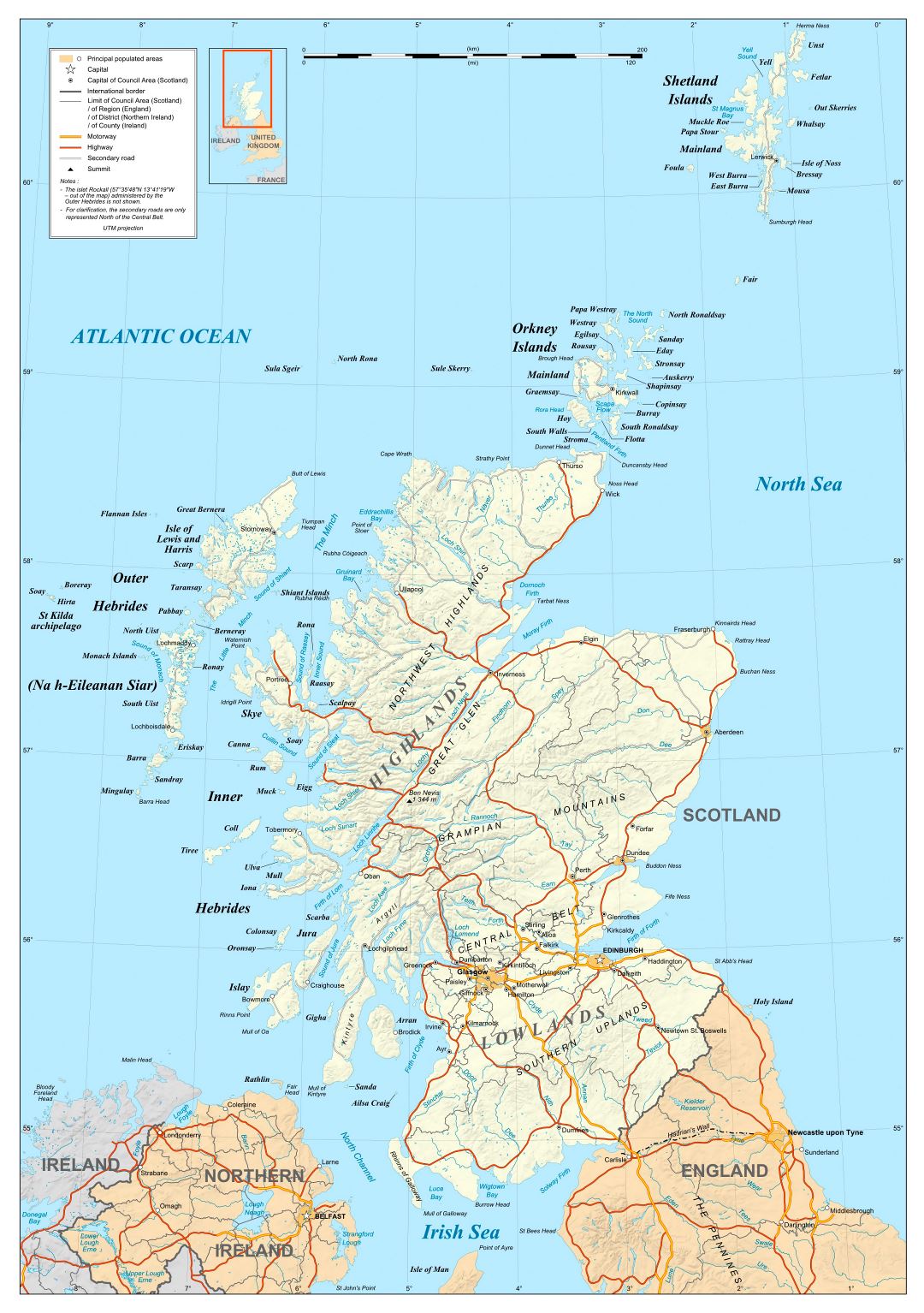
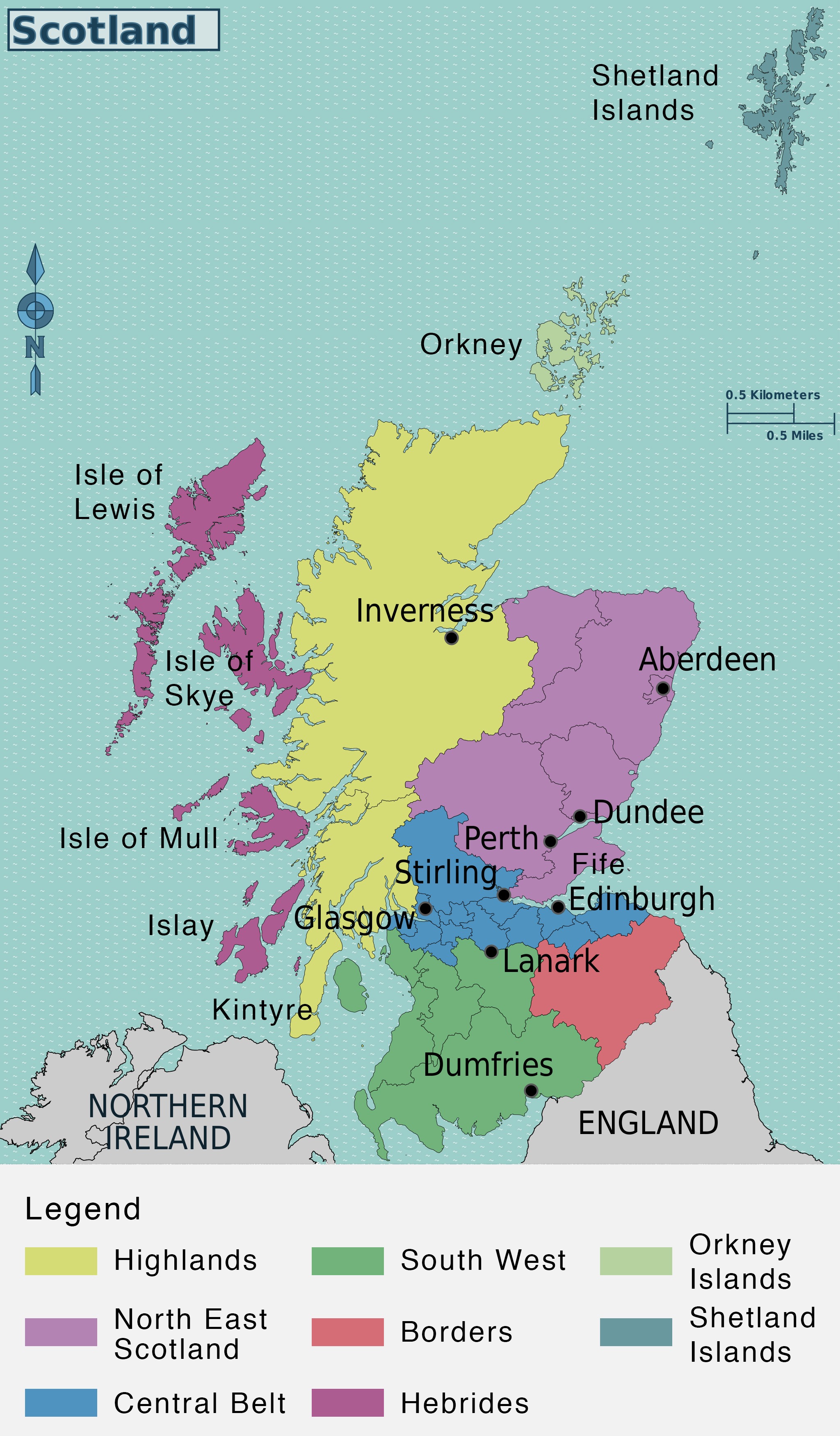
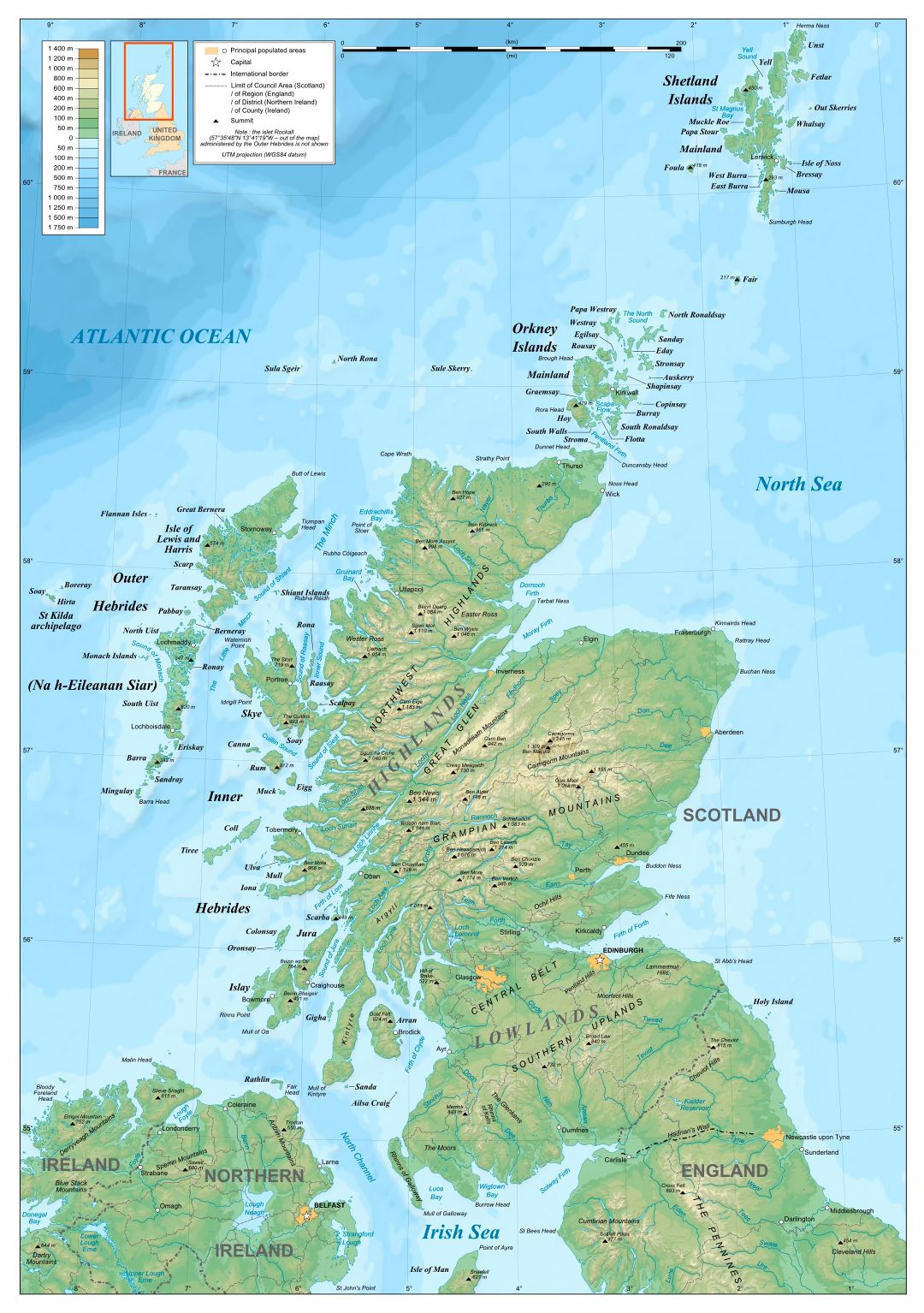
The land itself is a testament to geological forces, carved by glaciers and sculpted by the relentless power of the sea. The Scottish Highlands, a vast and mountainous region, dominate the northern half of the country. This rugged terrain, dotted with deep lochs and dramatic glens, provided a natural defense against invaders and fostered a culture of clan loyalty and independence. The Southern Uplands, a lower range of hills, form a natural boundary with England and offer fertile valleys and rolling pastures.
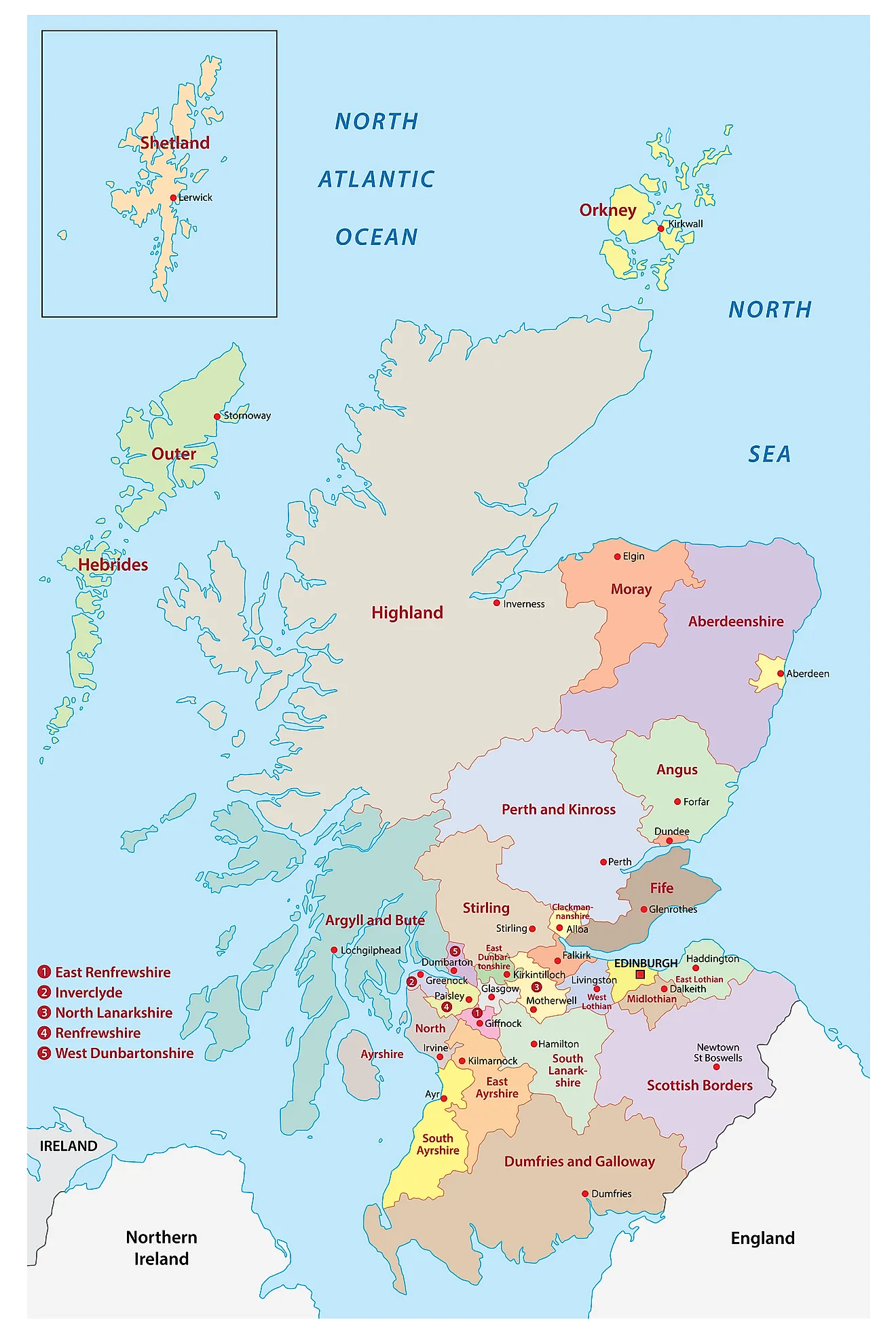
The central Lowlands, a relatively flat and fertile area, have historically been the most densely populated region, home to Scotland’s major cities, Edinburgh and Glasgow. This region benefited from its proximity to England and the European continent, developing into a hub for trade, industry, and cultural exchange.
The Scottish islands, scattered off the west and north coasts, each possess a distinct character and history. The Inner Hebrides, known for their stunning scenery and Gaelic heritage, include iconic islands like Skye, Mull, and Islay. The Outer Hebrides, or Western Isles, are a chain of islands steeped in Gaelic tradition and characterized by their wild beauty and remote location. The Orkney and Shetland Islands, closer to Scandinavia, bear the imprint of Viking influence and offer a unique blend of Scottish and Norse cultures.
A Nation Forged in Conflict and Resilience:
Scotland’s history is one of struggle for independence and self-determination. For centuries, the nation resisted Roman incursions, Viking raids, and English domination. The Wars of Scottish Independence, fought in the late 13th and early 14th centuries, saw legendary figures like William Wallace and Robert the Bruce leading the fight for freedom. The victory at Bannockburn in 1314 secured Scotland’s independence, though the struggle for autonomy continued for centuries.
The Reformation in the 16th century further shaped Scotland’s identity, leading to the establishment of the Presbyterian Church of Scotland as the national church. Religious and political tensions continued to simmer, culminating in the Jacobite uprisings of the 17th and 18th centuries. These rebellions, aimed at restoring the Stuart dynasty to the British throne, ultimately failed but left a lasting legacy of romanticism and nationalist sentiment.
The Act of Union in 1707 united the parliaments of Scotland and England, creating the Kingdom of Great Britain. While the Union brought economic benefits and political stability, it also sparked resentment and a desire to preserve Scottish identity and culture. This yearning for self-governance continues to be a significant force in Scottish politics today.
A Land of Breathtaking Beauty and Natural Wonders:
Scotland’s landscape is a major draw for tourists from around the world. The dramatic beauty of the Highlands, with its towering mountains, shimmering lochs, and windswept moors, offers a sense of untamed wilderness and breathtaking scale. Ben Nevis, the highest mountain in the British Isles, attracts climbers and hikers seeking a challenging adventure. Loch Ness, shrouded in mystery and legend, is a popular destination for Nessie hunters and nature lovers alike.
The Scottish coast is equally captivating, with its dramatic cliffs, secluded bays, and pristine beaches. The North Coast 500, a scenic driving route around the northern Highlands, showcases some of the most spectacular coastal scenery in Europe. The islands offer a unique perspective on Scotland’s natural beauty, with their rugged landscapes, diverse wildlife, and rich maritime heritage.
Scotland’s natural environment is also home to a diverse array of wildlife, including red deer, golden eagles, otters, and seals. Conservation efforts are underway to protect these species and preserve Scotland’s unique biodiversity. The country’s national parks, such as Cairngorms National Park and Loch Lomond and The Trossachs National Park, offer opportunities for outdoor recreation and appreciation of the natural world.
A Culture Rich in Tradition and Innovation:
Scotland boasts a rich and vibrant culture, rooted in its Gaelic heritage and shaped by its history of interaction with other European cultures. The Gaelic language, though spoken by a relatively small percentage of the population, remains a vital part of Scottish identity, particularly in the Highlands and Islands. Traditional music, dance, and storytelling continue to thrive, passed down through generations.
Scottish literature has produced some of the world’s most celebrated writers, including Robert Burns, Sir Walter Scott, and Robert Louis Stevenson. Their works capture the essence of Scottish life, exploring themes of love, loss, freedom, and the struggle against adversity. Contemporary Scottish writers continue to make a significant contribution to the literary landscape, exploring contemporary issues and celebrating the diversity of Scottish society.
Scotland is also a nation of innovation and invention, with a proud history of scientific and technological achievement. From James Watt’s steam engine to Alexander Graham Bell’s telephone, Scottish ingenuity has had a profound impact on the world. Today, Scotland is a leader in renewable energy, biotechnology, and other cutting-edge industries.
Modern Scotland: A Nation in Transition:
In the 21st century, Scotland is a nation in transition, grappling with its relationship with the United Kingdom and its place in Europe. The Scottish Parliament, established in 1999, has devolved powers over a range of areas, including health, education, and justice. The Scottish National Party (SNP), which advocates for Scottish independence, has been the dominant force in Scottish politics for over a decade.
The 2014 Scottish independence referendum saw a majority of voters choosing to remain part of the United Kingdom. However, the issue of independence remains a central debate in Scottish politics, particularly in the wake of Brexit. Scotland voted overwhelmingly to remain in the European Union, and the UK’s departure from the EU has fueled calls for another independence referendum.
Scotland faces a number of challenges in the 21st century, including economic inequality, an aging population, and the need to transition to a more sustainable economy. However, the nation also possesses significant strengths, including its skilled workforce, its natural resources, and its strong sense of community.
Conclusion: A European Nation with a Distinct Identity:
Scotland, etched on the map of Europe, is a nation of contrasts and complexities. It is a land of breathtaking beauty and rugged landscapes, a nation forged in conflict and resilience, and a culture rich in tradition and innovation. Its position on the northwestern edge of Europe has shaped its identity, influenced its development, and contributed to its unique allure.
From its ancient history to its modern aspirations, Scotland continues to evolve and redefine its place in the world. While facing challenges, it remains a nation with a strong sense of identity, a vibrant culture, and a determination to shape its own future. Scotland, a captivating corner of Europe, invites exploration and offers a glimpse into a land where history, beauty, and untamed spirit converge. Its story is one of enduring appeal, resonating with those who seek adventure, inspiration, and a connection to a land that has captured the imagination for centuries.