By admin
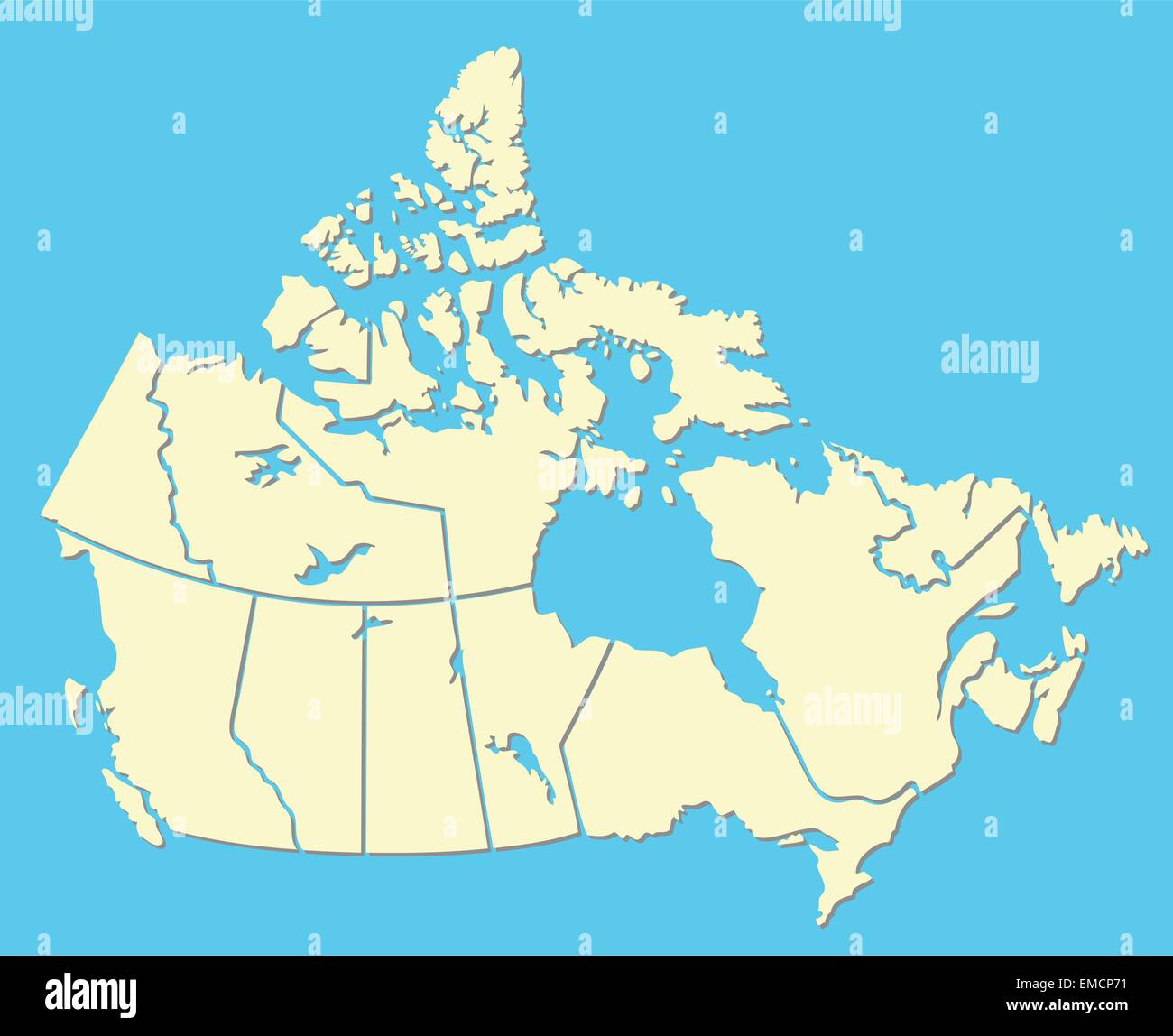
Canadian elections are a complex dance of regional interests, national trends, and shifting demographics, all culminating in a fascinating visual representation: the election map. This map, splashed across news websites and television screens on election night, offers a powerful snapshot of the political landscape, instantly revealing which party has secured the most seats and, ultimately, the right to govern. However, the seemingly simple image is a rich tapestry of data, history, and strategic calculations. Understanding the nuances of the Canadian election map is crucial for deciphering the results and grasping the broader implications of any election.
The Basics: Riding-Level Results and the First-Past-the-Post System
At its core, a Canadian election map displays the results of each of the 338 electoral districts, known as ridings, across the country. Each riding elects a single Member of Parliament (MP) to represent them in the House of Commons. The party that wins the majority of these ridings – typically 170 or more – usually forms the government.
The colour-coded map reflects the winning party in each riding. Traditionally, the Liberal Party is represented in red, the Conservative Party in blue, the New Democratic Party (NDP) in orange, the Bloc Québécois in light blue, and the Green Party in green. Independent MPs are often represented in grey or other distinct colours.
Canada uses a First-Past-the-Post (FPTP) electoral system. This means that the candidate who receives the most votes in a riding, regardless of whether they achieve a majority, wins the seat. This system often leads to disproportionate results, where a party can win a significant share of seats with less than a majority of the popular vote. This is a key factor in understanding why election maps can sometimes appear counterintuitive.
Regional Strongholds: The Key to Understanding the Map’s Landscape
One of the most striking features of Canadian election maps is the presence of regional strongholds. These are areas where a particular party consistently enjoys strong support, often for historical, economic, or cultural reasons. Understanding these strongholds is essential for predicting election outcomes and analyzing the map’s overall shape.
-
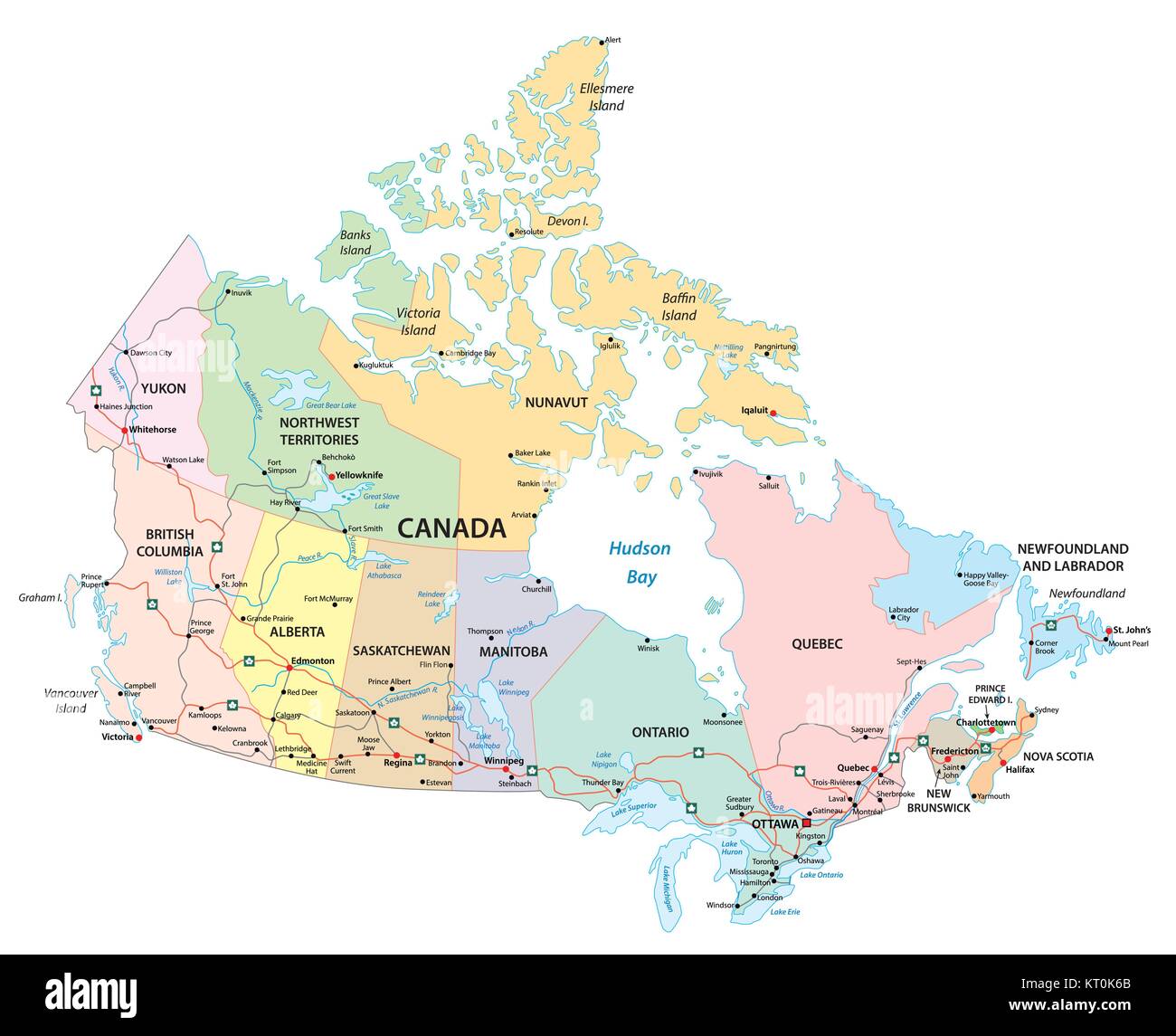
The Conservative Heartland: The Conservative Party traditionally finds strong support in the Prairie provinces (Alberta, Saskatchewan, and Manitoba), particularly in rural areas. This support is often attributed to a conservative social and fiscal outlook, as well as a focus on resource development and agricultural interests. The Conservative stronghold in Alberta is particularly pronounced, often leading to a sea of blue on election maps.
-
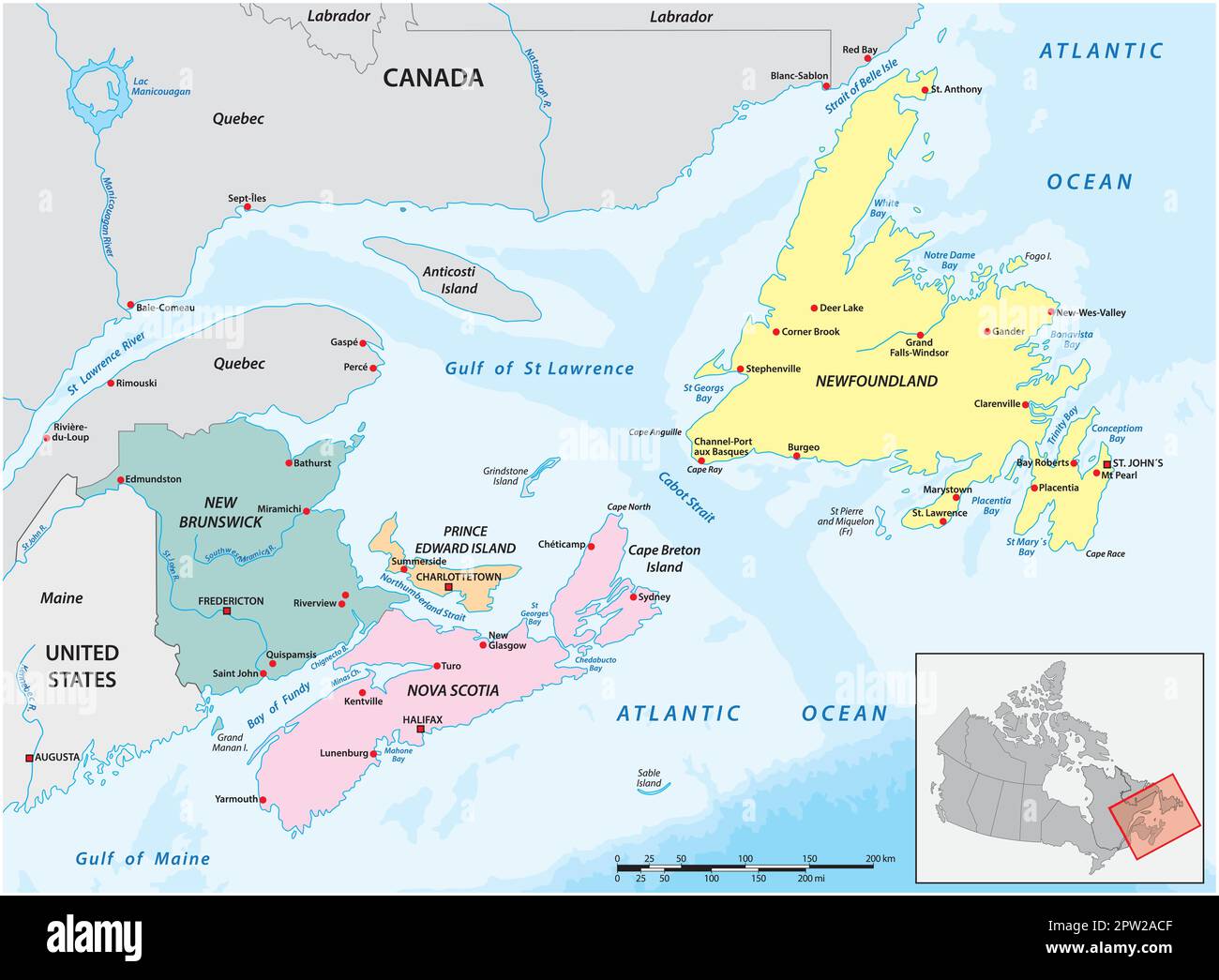
Liberal Dominance in Atlantic Canada: Atlantic Canada (Nova Scotia, New Brunswick, Prince Edward Island, and Newfoundland and Labrador) has historically been a Liberal stronghold. This region often favours the Liberal Party’s emphasis on social programs and regional development initiatives. However, recent elections have seen increased competition from the Conservatives and NDP in certain Atlantic ridings.
-
The NDP’s Western Bastions: The NDP has traditionally enjoyed strong support in parts of British Columbia and Manitoba, often concentrated in urban centers and resource-dependent communities. The NDP’s focus on social justice, environmental protection, and workers’ rights resonates with voters in these areas.
-
Quebec: A Shifting Political Landscape: Quebec’s political landscape is arguably the most dynamic in the country. Historically, the Liberal Party held significant sway, but the rise of the Bloc Québécois in the 1990s, advocating for Quebec sovereignty, significantly altered the electoral map. In recent years, the NDP and the Conservative Party have also made inroads in Quebec, creating a complex and unpredictable political environment. The Bloc Québécois typically performs strongly in ridings with a high proportion of Francophone voters.
-
Urban Centers: Battlegrounds of Ideas: Major urban centers like Toronto, Montreal, and Vancouver are often highly competitive battlegrounds, with a diverse range of voters and a wide spectrum of political views. These areas are crucial for any party seeking to form a majority government. The Liberal Party often performs well in urban areas, attracting support from diverse communities and voters concerned with social and environmental issues.
Beyond Regionalism: Demographic Shifts and Issue-Based Voting
While regional strongholds provide a foundation for understanding the election map, it’s crucial to consider the impact of demographic shifts and issue-based voting.
-
Immigration and Diversity: Canada’s growing immigrant population is increasingly shaping the electoral landscape. Immigrant communities often have distinct political priorities and voting patterns, and parties actively court their support. Ridings with large immigrant populations tend to be more competitive and can swing elections.
-
Youth Vote: The youth vote is another crucial demographic. Younger voters are often more engaged with issues like climate change, social justice, and affordable education. Parties that effectively mobilize the youth vote can gain a significant advantage in key ridings.
-
Economic Concerns: Economic issues, such as jobs, inflation, and healthcare, consistently rank high among voters’ priorities. Parties that offer credible plans to address these concerns can sway voters, particularly in swing ridings.
-
Environmental Issues: Environmental concerns, particularly climate change, are increasingly influencing voting patterns, especially among younger and urban voters. Parties with strong environmental platforms can attract significant support in ridings where environmental issues are a major concern.
Interpreting the Map: Beyond the Colour-Coding
While the election map provides a quick visual overview of the results, it’s important to look beyond the colour-coding and analyze the underlying data.
-
Popular Vote vs. Seat Count: As mentioned earlier, the FPTP system can lead to disproportionate results between the popular vote and the seat count. A party can win a majority of seats without winning a majority of the popular vote, and vice versa. This can create a sense of unfairness and fuel calls for electoral reform.
-
Margin of Victory: The margin of victory in each riding is also important. A narrow victory suggests that the riding is highly competitive and could swing in the next election. Conversely, a large margin of victory indicates a strong level of support for the winning party.
-
Swing Ridings: Identifying swing ridings – those that have a history of changing party allegiance – is crucial for understanding the potential for future electoral shifts. These ridings are often the focus of intense campaigning and can be decisive in determining the outcome of an election.
The Election Map as a Tool for Strategic Analysis
Beyond simply displaying the results, the election map serves as a valuable tool for strategic analysis. Parties use election maps to:
-
Identify areas of strength and weakness: By analyzing past election results, parties can identify their strongholds and areas where they need to improve their performance.
-
Target campaign resources: Parties can use election maps to target their campaign resources to key ridings, focusing on areas where they have the best chance of winning.
-
Develop targeted messaging: Parties can use election maps to understand the specific concerns and priorities of voters in different regions and develop tailored messaging to resonate with them.
The Future of the Canadian Election Map
The Canadian election map is constantly evolving, reflecting the changing demographics, political landscape, and voter preferences. As Canada becomes more diverse and interconnected, the map is likely to become even more complex and nuanced.
Technological advancements are also shaping the way we interact with election maps. Interactive maps allow users to zoom in on specific ridings, analyze past results, and explore demographic data. This allows for a more in-depth understanding of the electoral landscape.
In conclusion, the Canadian election map is more than just a visual representation of election results. It’s a powerful tool for understanding the complexities of Canadian politics, the dynamics of regional interests, and the impact of demographic shifts. By delving deeper into the map’s layers, we can gain a richer and more nuanced understanding of the Canadian electoral process and its implications for the future of the country. The map is a living document, constantly being rewritten with each election, reflecting the ever-evolving story of Canadian democracy.