By admin
In the modern business landscape, efficiency and clarity are paramount. Companies constantly seek ways to streamline operations, eliminate bottlenecks, and improve communication. One powerful tool that helps achieve these goals is the process map with swimlanes, a visual representation of a process that clearly delineates responsibilities and interactions between different actors or departments.
This article will delve into the intricacies of process maps with swimlanes, exploring their benefits, construction, applications, and best practices. We’ll uncover how this versatile diagram can transform complex processes into easily digestible visuals, empowering organizations to optimize their workflows and achieve operational excellence.
What is a Process Map with Swimlanes?
At its core, a process map, also known as a flowchart, visually depicts the sequence of steps involved in a specific process. It uses standardized symbols to represent different types of actions, decisions, and inputs/outputs. Adding swimlanes takes this basic concept a step further.
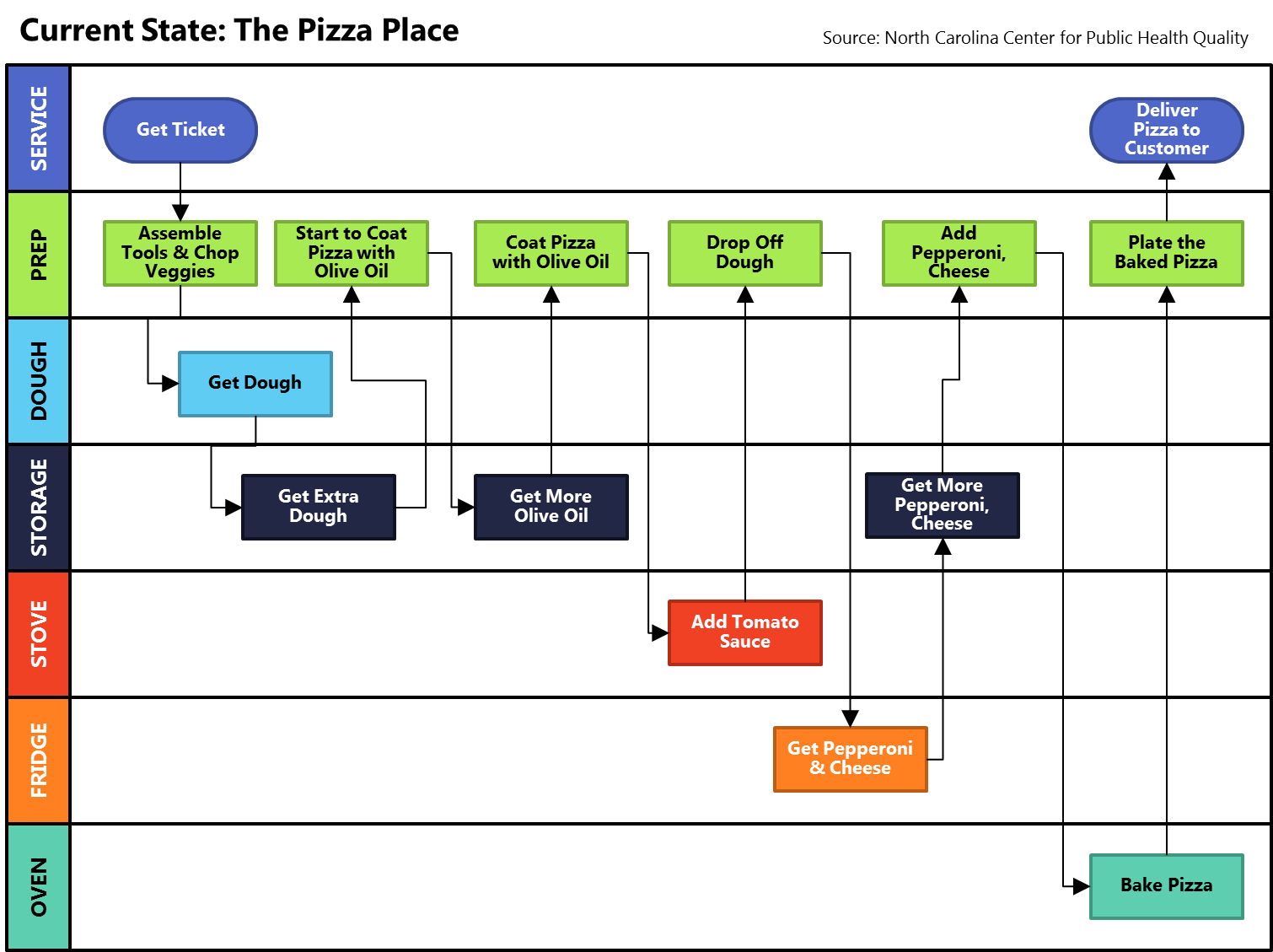
Swimlanes, also referred to as functional bands or lanes, are horizontal or vertical partitions within the process map. Each swimlane represents a specific entity, such as:
- Individual: A particular employee responsible for a set of tasks.
- Department: A functional unit within the organization (e.g., Marketing, Sales, Customer Service).
- System: A software application or technological tool used in the process.
- External Party: An organization outside the company (e.g., supplier, customer).
By assigning each step of the process to a specific swimlane, the diagram clearly illustrates who is responsible for each action and how different entities interact throughout the workflow. This visual clarity is the key to unlocking the many benefits of using process maps with swimlanes.
Benefits of Using Process Maps with Swimlanes:
The adoption of process maps with swimlanes yields a multitude of advantages for organizations of all sizes and across various industries. Here are some of the most significant benefits:
- Enhanced Clarity and Understanding: By visually representing the process and assigning ownership to specific entities, swimlane diagrams eliminate ambiguity and foster a shared understanding of the workflow among all stakeholders. This clarity is especially valuable in complex processes involving multiple departments or individuals.
- Improved Communication and Collaboration: The visual nature of the map facilitates effective communication between different teams and individuals. By clearly showing how their roles contribute to the overall process, swimlanes promote collaboration and teamwork.
- Identification of Bottlenecks and Inefficiencies: Process maps with swimlanes provide a clear overview of the entire process, making it easier to identify potential bottlenecks, redundancies, and inefficiencies. Areas where tasks are frequently passed between swimlanes or where a single swimlane is consistently overloaded are prime candidates for improvement.
- Streamlined Processes and Reduced Waste: By pinpointing inefficiencies, organizations can take targeted actions to streamline their processes, eliminate unnecessary steps, and reduce waste. This can lead to significant cost savings and improved overall efficiency.
- Clearer Role Definition and Accountability: Assigning tasks to specific swimlanes clearly defines roles and responsibilities, ensuring that everyone knows what is expected of them. This promotes accountability and reduces the likelihood of tasks falling through the cracks.
- Facilitated Training and Onboarding: Process maps with swimlanes serve as valuable training tools for new employees. They provide a clear and concise overview of the process, helping new hires quickly understand their roles and responsibilities.
- Improved Customer Experience: By streamlining internal processes, organizations can ultimately improve the customer experience. Faster turnaround times, fewer errors, and more efficient service are all potential benefits of using process maps with swimlanes.
- Support for Process Improvement Initiatives: Process maps with swimlanes provide a solid foundation for process improvement initiatives such as Lean, Six Sigma, and Business Process Reengineering (BPR). They serve as a baseline for measuring progress and identifying areas for further optimization.
- Compliance and Auditing: In regulated industries, process maps with swimlanes can be used to document processes and demonstrate compliance with relevant regulations. They provide a clear audit trail of actions and responsibilities.
Creating a Process Map with Swimlanes: A Step-by-Step Guide:
Building an effective process map with swimlanes requires careful planning and execution. Here’s a step-by-step guide to help you get started:
- Define the Process Scope: Clearly define the boundaries of the process you want to map. What is the starting point, and what is the ending point? This will help you focus your efforts and avoid getting bogged down in irrelevant details.
- Identify Stakeholders: Determine who is involved in the process and who will benefit from the map. This will help you gather the necessary information and ensure that the map accurately reflects the perspectives of all stakeholders.
- Gather Information: Collect data about the process through interviews, observations, and document reviews. Talk to the people who perform the process steps to understand their roles, responsibilities, and challenges.
- Define Swimlanes: Identify the entities (individuals, departments, systems, etc.) that will be represented as swimlanes. Choose the appropriate orientation (horizontal or vertical) based on the complexity of the process and the layout of your diagram.
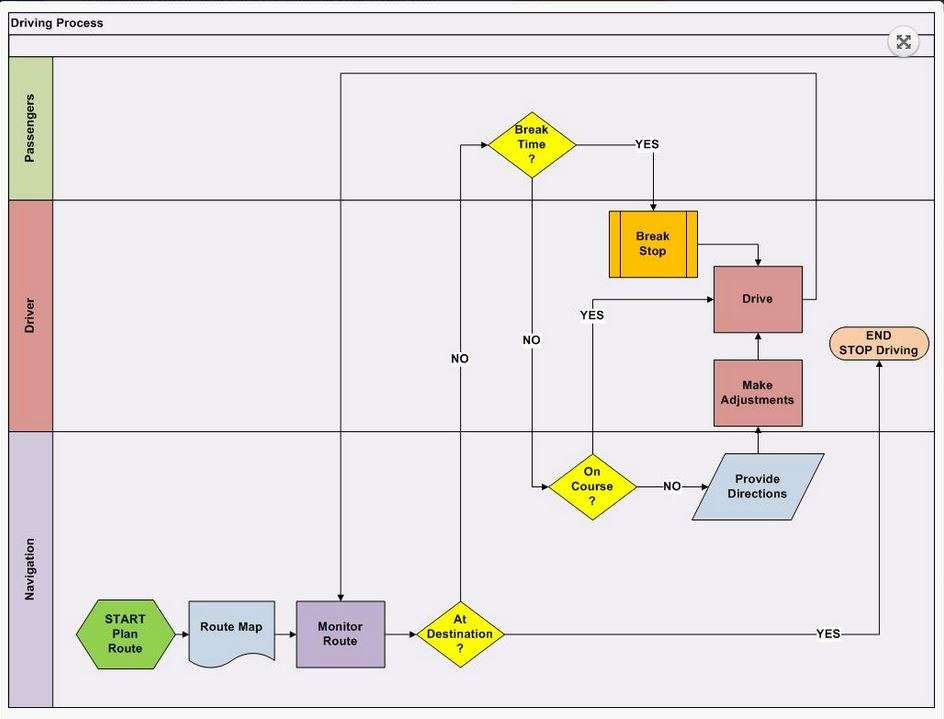
- Map the Process Steps: Using standardized flowchart symbols, map out the sequence of steps involved in the process. Common symbols include:
- Oval: Start or End point of the process.
- Rectangle: Represents a task or activity.
- Diamond: Represents a decision point.
- Arrow: Indicates the flow of the process.
- Parallelogram: Represents input or output.
- Assign Steps to Swimlanes: Place each step in the swimlane that corresponds to the entity responsible for performing that action.
- Review and Validate: Share the completed process map with stakeholders for review and validation. Ensure that the map accurately reflects the current process and that all stakeholders agree on the roles and responsibilities depicted.
- Refine and Iterate: Based on feedback, refine the process map and iterate as needed. The process map should be a living document that is updated as the process evolves.
- Communicate and Implement: Communicate the finalized process map to all stakeholders and implement any changes that are identified. Use the map as a training tool and a reference guide for ongoing process management.
Best Practices for Effective Process Mapping with Swimlanes:
To maximize the value of process maps with swimlanes, consider these best practices:
- Keep it Simple: Avoid overcomplicating the diagram with unnecessary details. Focus on the key steps and decisions that are essential to the process.
- Use Standardized Symbols: Adhere to standard flowchart symbols to ensure clarity and consistency.
- Maintain Consistent Layout: Use a consistent layout and formatting throughout the diagram to enhance readability.
- Involve Stakeholders: Engage stakeholders throughout the process mapping process to ensure that the map accurately reflects their perspectives and that they buy into the changes that are identified.
- Focus on the "As-Is" Process: Map the current process first before attempting to design a "To-Be" process. This will provide a clear baseline for improvement.
- Use Technology to Your Advantage: Leverage software tools designed for process mapping to streamline the creation and maintenance of your diagrams. Many options are available, ranging from simple drawing tools to sophisticated process management platforms.
- Regularly Review and Update: Treat the process map as a living document and regularly review and update it to reflect changes in the process.
- Clearly Label Connections: When process flows jump between swimlanes, ensure the connections are clearly labelled to avoid confusion.
Applications of Process Maps with Swimlanes:
Process maps with swimlanes are versatile tools that can be applied in a wide range of industries and functional areas. Here are some common applications:
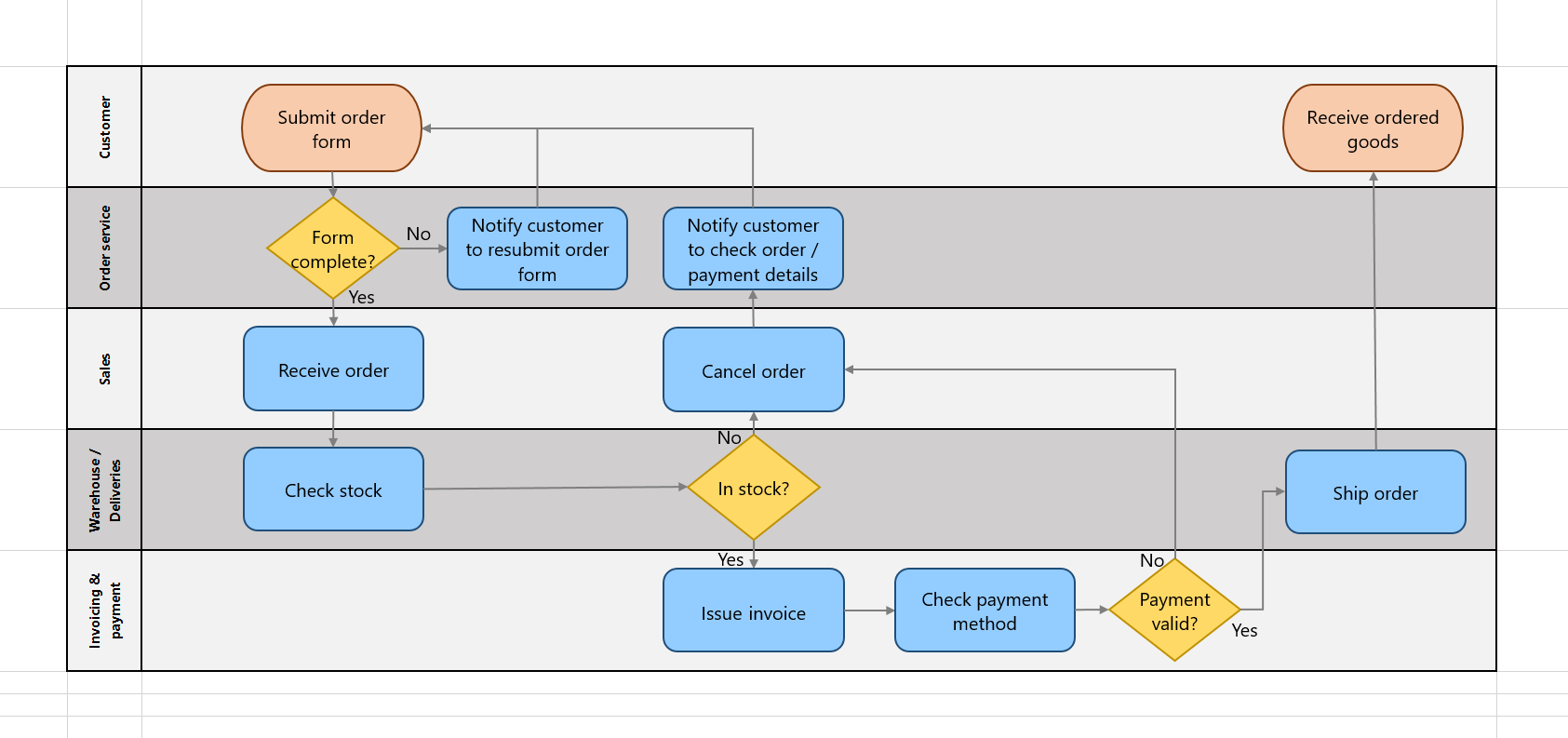
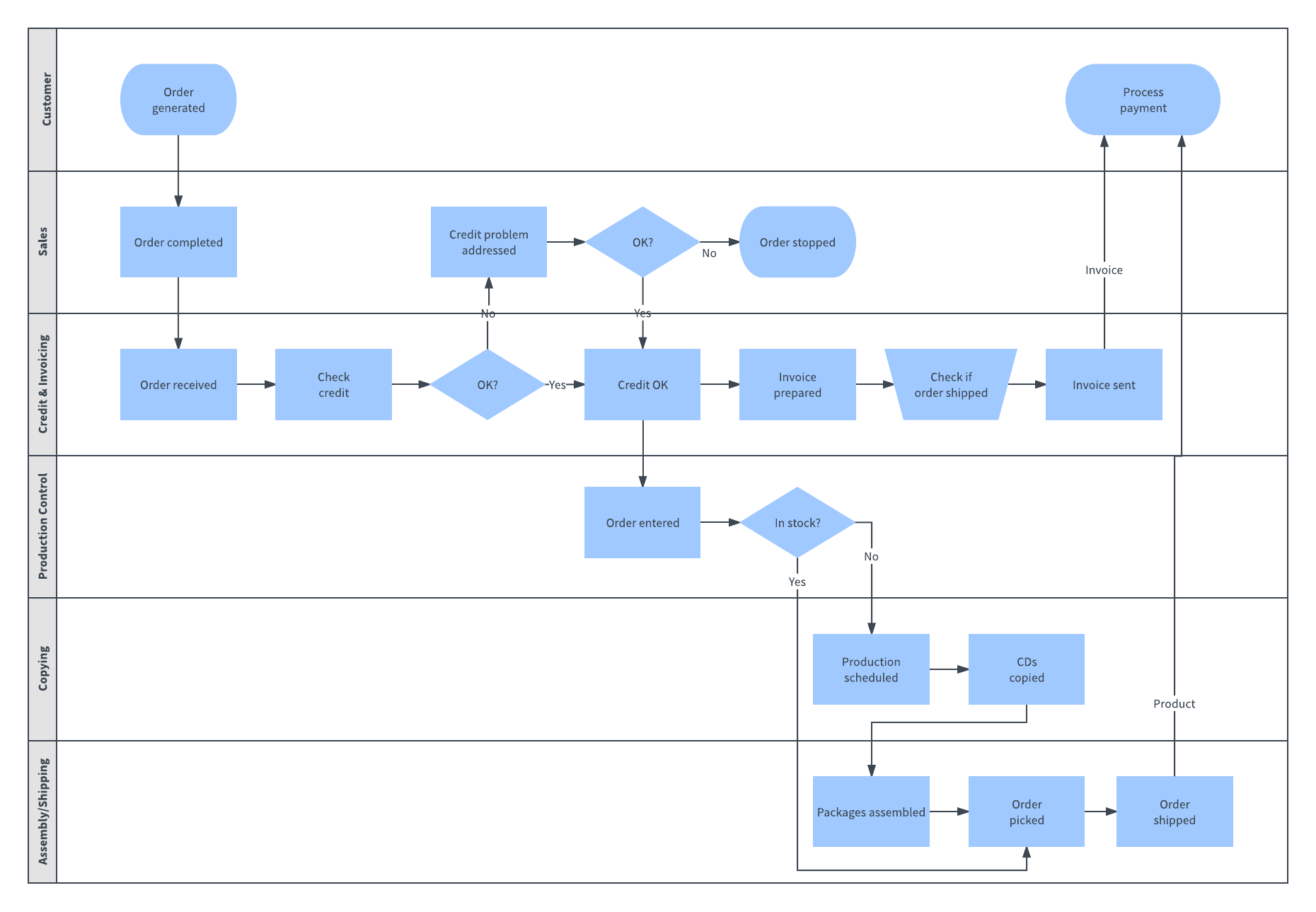
- Order Fulfillment: Mapping the steps involved in processing customer orders, from order placement to delivery.
- Customer Service: Visualizing the process of handling customer inquiries, complaints, and requests.
- Software Development: Depicting the stages of the software development lifecycle, from requirements gathering to deployment and maintenance.
- Manufacturing: Mapping the production process, from raw materials to finished goods.
- Healthcare: Visualizing patient care pathways, from admission to discharge.
- Finance: Mapping financial processes such as accounts payable, accounts receivable, and budgeting.
- Human Resources: Visualizing HR processes such as recruitment, onboarding, and performance management.
Conclusion:
Process maps with swimlanes are a powerful tool for visualizing and understanding complex processes. By clearly delineating responsibilities and interactions between different entities, they promote clarity, improve communication, and facilitate process improvement. By following the steps outlined in this article and adhering to best practices, organizations can leverage the power of process maps with swimlanes to streamline their operations, reduce waste, and achieve operational excellence. In today’s competitive environment, mastering this tool is a significant step towards creating a more efficient, collaborative, and customer-centric organization. The stream of process improvement flows clearly when navigated with a well-constructed process map with swimlanes.