By admin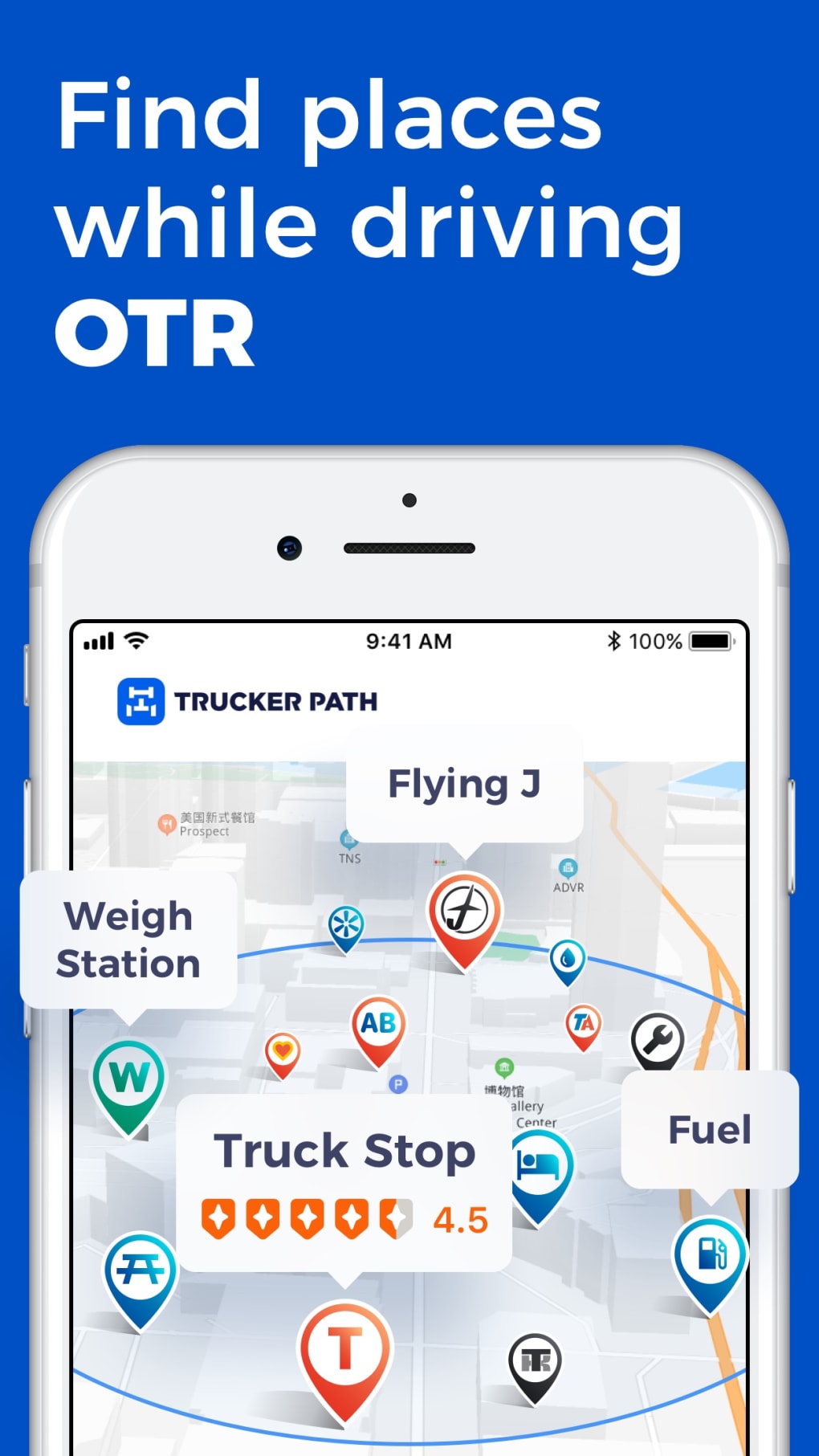
The open road beckons, but for professional truckers, it’s more than just freedom. It’s a complex network of routes, regulations, and deadlines. In the modern era, a reliable map app is as essential as a full tank of diesel. These digital co-pilots offer far more than simple directions; they provide critical information specific to the unique challenges and needs of the trucking industry. This article will delve into the best map apps for truckers in 2024, highlighting their features, benefits, and how they contribute to a safer, more efficient, and profitable journey.
Beyond Simple Navigation: What Truckers Need From a Map App
Trucking is a specialized profession with specialized needs. Unlike a standard consumer-grade navigation app, a trucker’s map app must consider factors that directly impact safety, compliance, and profitability:
- Truck-Specific Routing: This is the cornerstone. A trucker’s app needs to understand bridge heights, weight limits, tunnel clearances, and restrictions on hazardous materials (HAZMAT). Sending a big rig down a road with a low bridge or through a prohibited tunnel can lead to costly damages, delays, and potential safety hazards.
- Real-Time Traffic Updates: Time is money, and avoiding congestion is paramount. Trucker apps must provide up-to-the-minute traffic conditions, including accidents, road closures, and construction delays, allowing drivers to reroute and maintain schedules.
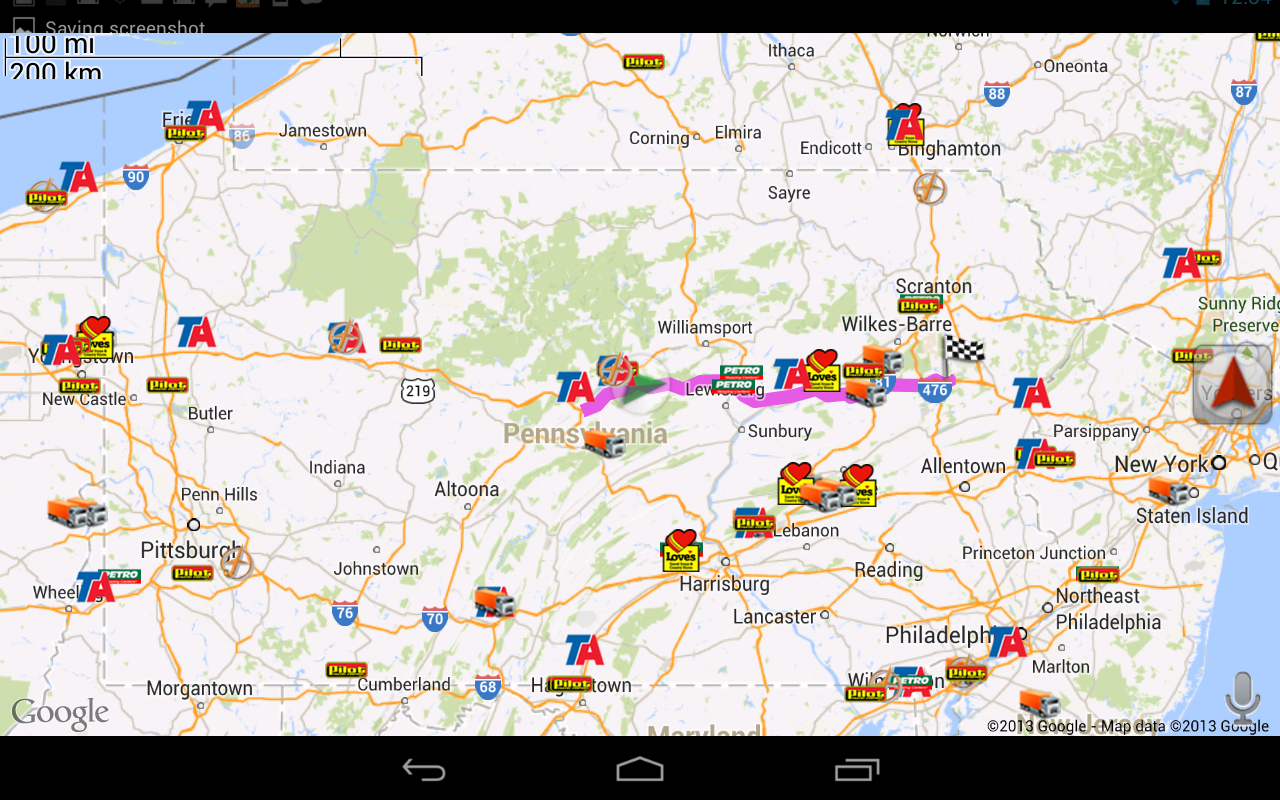
- Rest Stop & Truck Stop Locator: Hours of Service (HOS) regulations mandate specific rest periods. Finding safe and convenient rest areas with ample parking, amenities, and fueling options is crucial. A good app should provide detailed information about these locations, including reviews and available services.
- Weather Information: Severe weather conditions can significantly impact safety and driving conditions. Access to real-time weather forecasts, including warnings for high winds, snowstorms, and floods, is essential for making informed decisions about route adjustments.
- Fuel Price Comparison: Fuel is a major operating expense for trucking companies and owner-operators. An app that allows drivers to compare fuel prices along their route can lead to significant cost savings.
- Offline Maps: Connectivity can be unreliable in remote areas. The ability to download maps for offline use ensures navigation remains functional even without a cellular signal.
- Integration with ELD (Electronic Logging Device): Seamless integration with ELD systems streamlines HOS compliance and simplifies record-keeping.
- Customization & User Interface: A clean, intuitive interface that is easy to navigate while driving is critical. The ability to customize settings and preferences further enhances usability.
The Leading Contenders: Top Map Apps for Truckers in 2024
Several map apps cater specifically to the trucking industry. Here’s a look at some of the top contenders, along with their key features and drawbacks:
-
Trucker Path: Often considered the industry standard, Trucker Path boasts a vast database of truck stops, rest areas, weigh stations, and parking locations, verified by a large community of drivers.
-
Key Features:
- Truck-specific routing with customizable vehicle profiles.
- Real-time parking availability at truck stops.
- Weigh station status and reports.
- Fuel price comparison.
- Driver reviews and ratings of locations.
- Offline maps.
- Integration with ELD systems (via third-party apps).
-
Drawbacks:
- Free version has limited functionality and displays ads.
- Premium subscription can be expensive for some users.
- Accuracy of user-generated content can vary.
-
-
Hammer: A newer app gaining popularity, Hammer focuses on community-driven updates and a streamlined user experience.
-
Key Features:
- Truck-specific navigation with HAZMAT routing.
- Real-time traffic and road condition alerts.
- Detailed truck stop information, including amenities and parking.
- Fuel price comparison.
- Community reporting of incidents and conditions.
- Offline maps.
- Voice-activated search.
-
Drawbacks:
- Smaller user base compared to Trucker Path, which may affect the accuracy and frequency of community-driven updates.
- Limited integration with ELD systems.
- Subscription cost may be a barrier for some users.
-
-
CoPilot Truck: A well-established player in the navigation market, CoPilot Truck offers robust features and a reliable offline experience.
-
Key Features:
- Detailed truck-specific routing with customizable vehicle profiles and HAZMAT routing.
- Real-time traffic updates.
- Turn-by-turn voice guidance with clear and concise instructions.
- ActiveTraffic feature optimizes routes based on historical and real-time traffic data.
- Offline maps with detailed POIs (Points of Interest).
- Trip planning and optimization tools.
-
Drawbacks:
- User interface can feel somewhat dated compared to newer apps.
- Map updates can be costly.
- Less community-driven content compared to Trucker Path and Hammer.
-
-
Sygic Truck Navigation: Another established app, Sygic Truck Navigation offers a comprehensive set of features, including advanced routing options and professional tools.
-
Key Features:
- Truck-specific routing with customizable vehicle profiles and HAZMAT routing.
- Real-time traffic updates.
- Speed limits and speed camera warnings.
- Dynamic Lane Assistant provides guidance for lane changes.
- Head-up Display (HUD) projects navigation information onto the windshield.
- Offline maps.
- Integration with dashcams.
-
Drawbacks:
- Can be resource-intensive and may drain battery life.
- Subscription cost can be relatively high.
- User interface can be complex for new users.
-
-
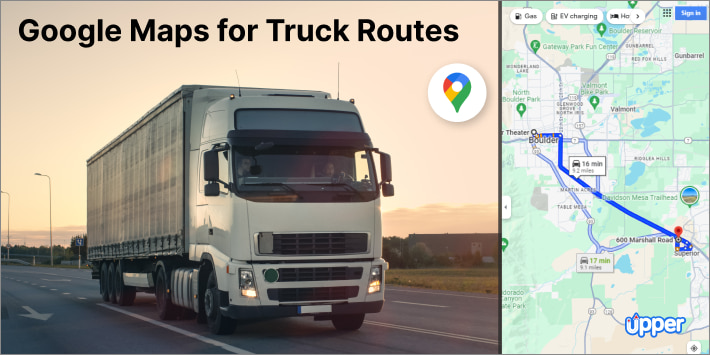
Google Maps: While not specifically designed for truckers, Google Maps can be a useful supplement, particularly for finding local businesses and amenities.
-
Key Features:
- Comprehensive map coverage.
- Real-time traffic updates.
- Search for businesses and points of interest.
- User reviews and ratings.
- Satellite imagery.
- Offline maps (limited functionality).
-
Drawbacks:
- Lacks truck-specific routing capabilities.
- Does not provide information on bridge heights, weight limits, or HAZMAT restrictions.
- Reliance on internet connectivity.
- Not a suitable primary navigation tool for truckers.
-
Choosing the Right App: A Matter of Priorities
The best map app for a trucker depends on individual needs and priorities. Consider the following factors when making a decision:
- Budget: Free apps offer basic functionality, but premium subscriptions unlock advanced features and remove ads.
- Frequency of Use: If you’re a full-time trucker, investing in a robust and reliable app is worthwhile.
- Desired Features: Prioritize the features that are most important to you, such as parking availability, weigh station status, or fuel price comparison.
- Ease of Use: Choose an app with a user-friendly interface that is easy to navigate while driving.
- Community Feedback: Read reviews and ratings from other truckers to get an idea of the app’s reliability and accuracy.
- Trial Period: Take advantage of free trials to test out different apps before committing to a subscription.
Beyond the App: Best Practices for Safe and Efficient Navigation
While a good map app is essential, it’s important to remember that it’s just one tool in a trucker’s arsenal. Here are some best practices for safe and efficient navigation:
- Plan Your Route in Advance: Don’t rely solely on the app to plan your route while you’re driving. Take the time to research your route beforehand, paying attention to potential hazards, restrictions, and rest stop locations.
- Verify Information: Always verify the information provided by the app with other sources, such as official road maps and signage. Don’t blindly trust the app’s directions without confirming their accuracy.
- Stay Alert and Aware: Pay attention to your surroundings and be prepared to react to unexpected situations. Don’t let the app distract you from the road.
- Take Breaks Regularly: Hours of Service (HOS) regulations are in place for a reason. Take regular breaks to avoid fatigue and maintain alertness.
- Report Inaccuracies: If you encounter any inaccuracies or errors in the app’s data, report them to the developer so they can be corrected.
The Future of Trucking Navigation:
The future of trucking navigation is likely to involve even more sophisticated technologies, such as:
- AI-Powered Route Optimization: Algorithms that can analyze vast amounts of data to optimize routes in real-time, considering factors such as traffic, weather, fuel prices, and HOS regulations.
- Augmented Reality (AR) Navigation: Overlays that project navigation information onto the windshield, providing drivers with a clear and intuitive view of the road ahead.
- Autonomous Driving Features: Self-driving trucks that can navigate routes without human intervention, although this technology is still in its early stages of development.
Conclusion:
In the demanding world of trucking, a reliable map app is an indispensable tool. By providing truck-specific routing, real-time updates, and valuable information, these apps contribute to safer, more efficient, and more profitable journeys. By carefully considering your needs and priorities, and by following best practices for safe navigation, you can leverage the power of technology to navigate the long haul with confidence. The apps mentioned above are just a starting point; continuous evaluation and adaptation to new technologies are key to staying ahead in this ever-evolving industry.