By admin
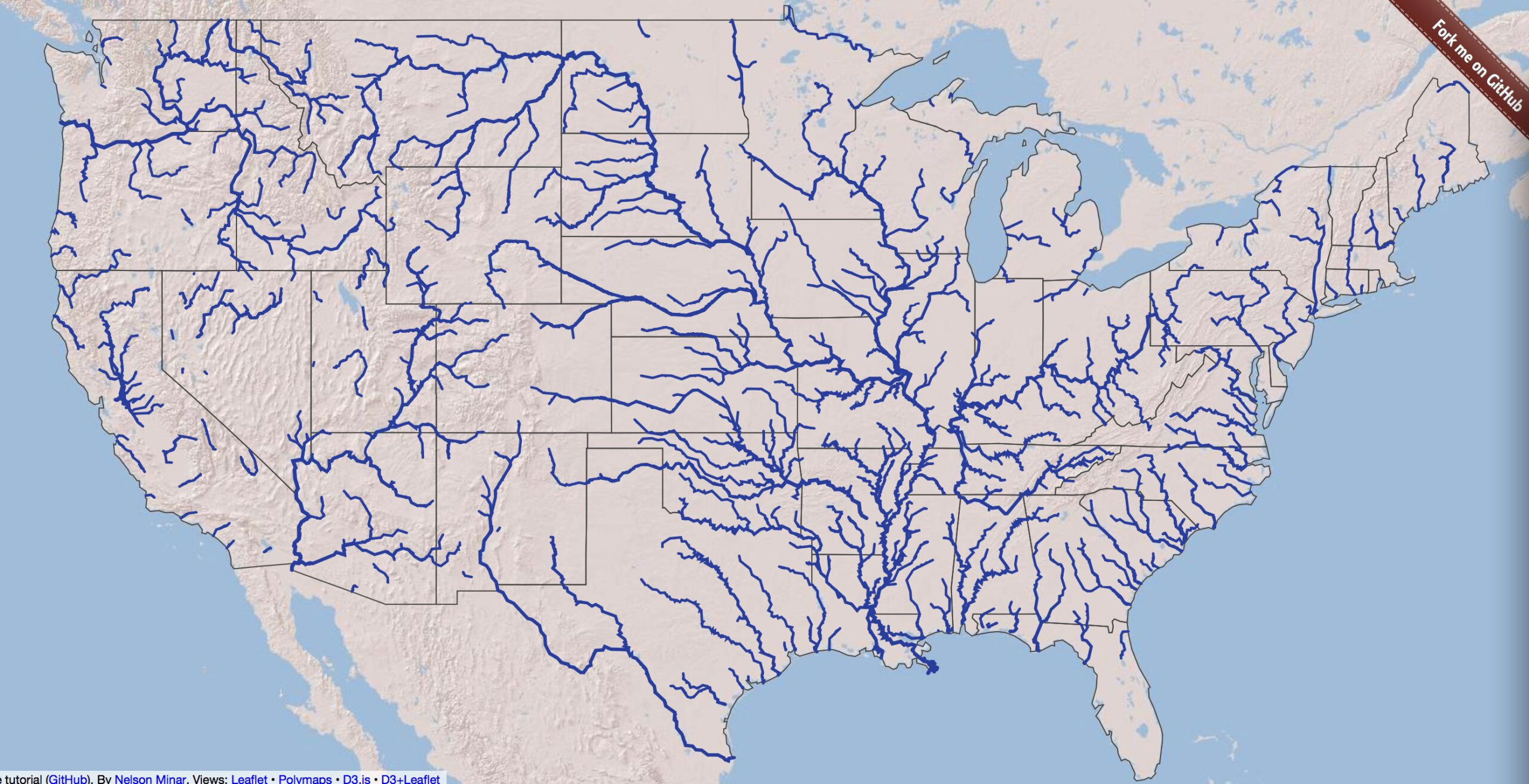
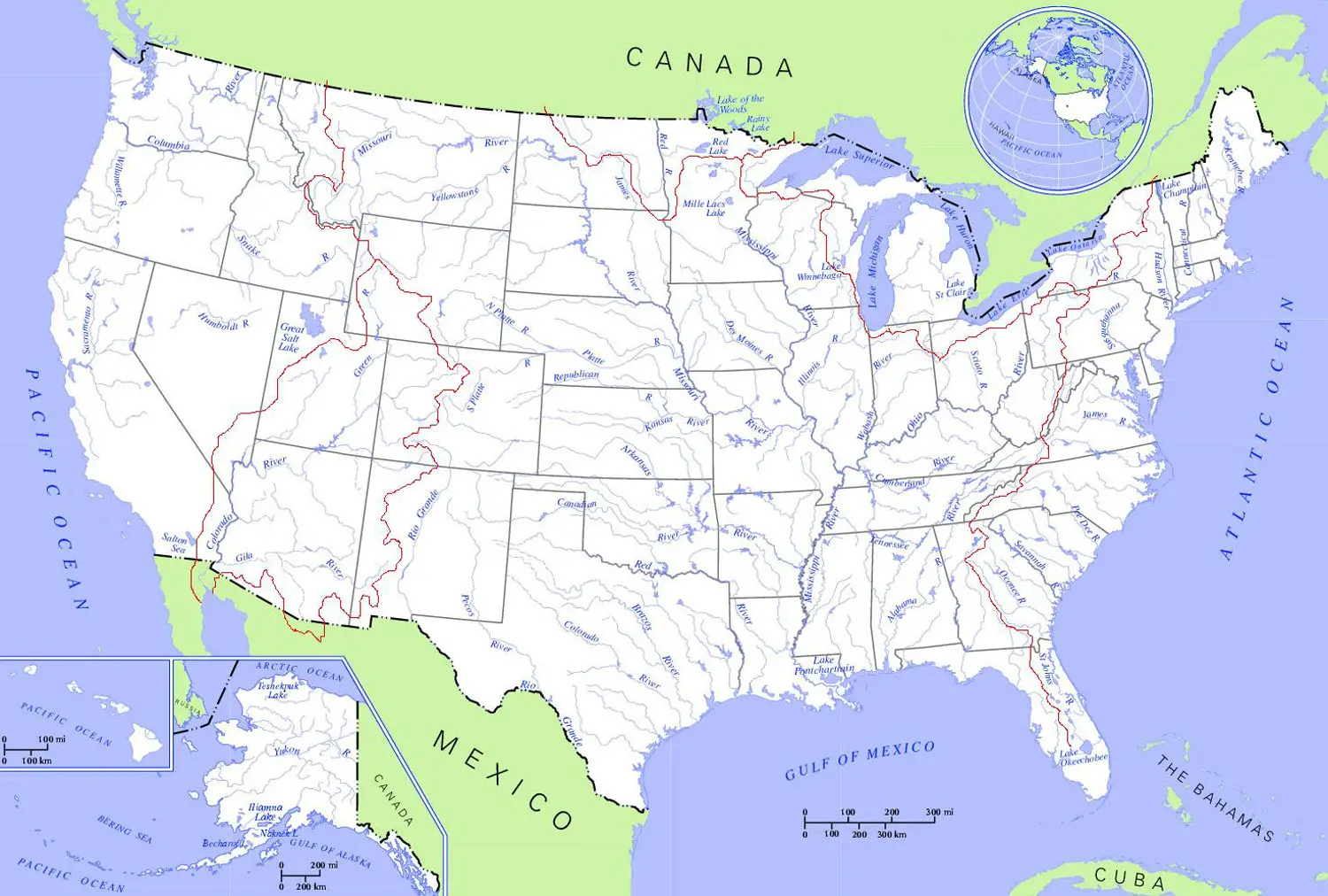
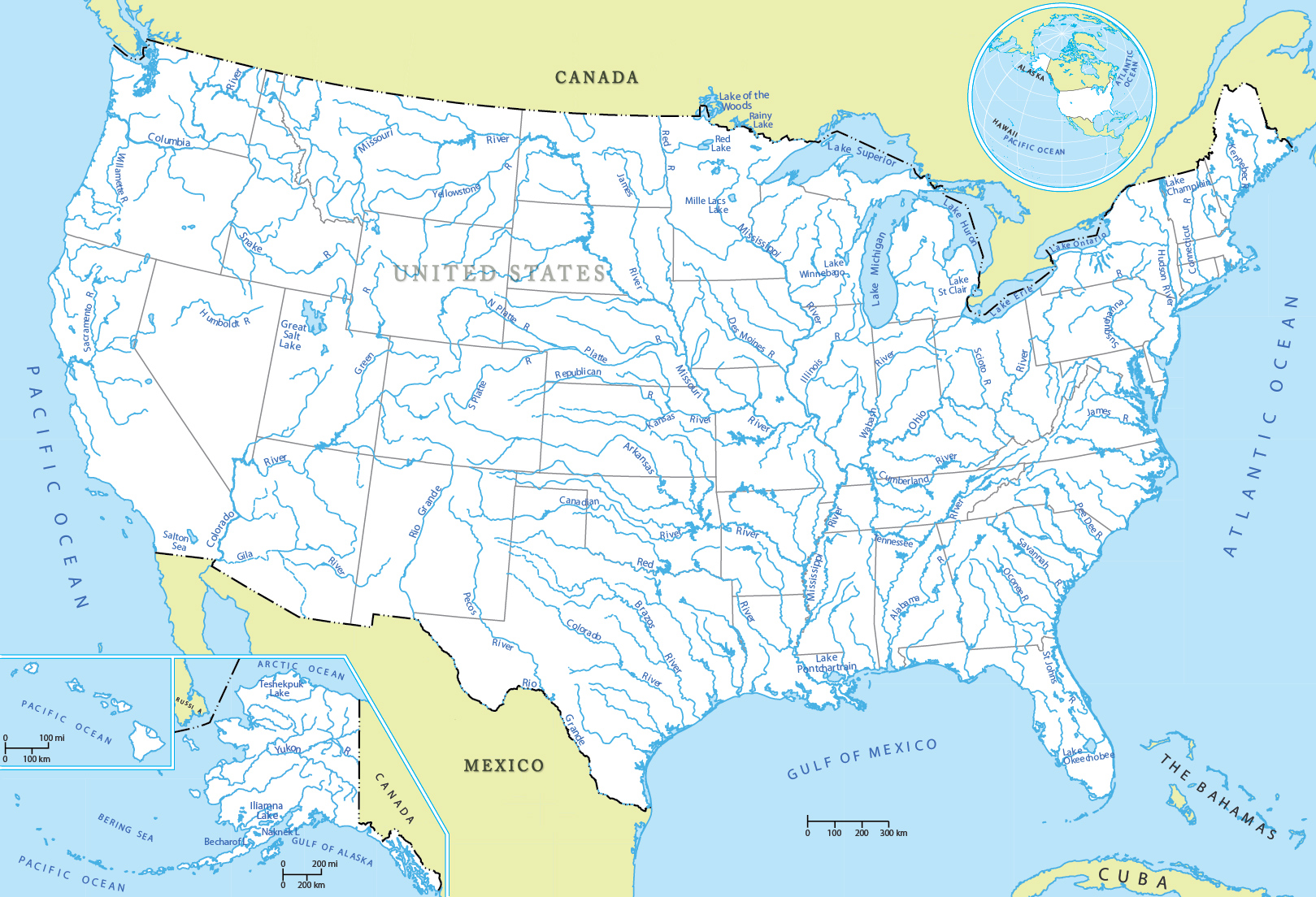
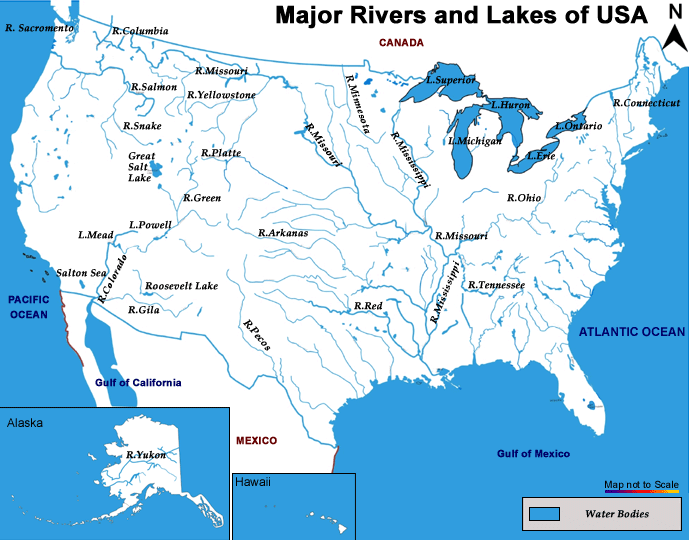
The United States, a land of diverse landscapes and abundant natural resources, is crisscrossed by a vast network of rivers. These rivers are more than just geographical features; they are the lifeblood of the nation, shaping its history, economy, and environment. From the mighty Mississippi to the swift-flowing Columbia, a journey through the major rivers of the USA map reveals a rich tapestry of American stories. Understanding these rivers, their courses, and their significance is crucial to appreciating the complexity and beauty of the American landscape.
The Mississippi River: The Father of Waters
Undoubtedly the most iconic and arguably the most important river in the United States, the Mississippi River reigns supreme. Draining a staggering 41% of the contiguous United States, it acts as the central artery of a vast river system. Originating in Lake Itasca, Minnesota, the Mississippi meanders southward for approximately 2,320 miles before emptying into the Gulf of Mexico.
Its importance is multifaceted. Historically, the Mississippi served as a vital transportation route for trade and exploration. Steamboats navigated its waters, connecting agricultural heartlands with bustling port cities like New Orleans and St. Louis. Today, it remains a crucial shipping channel for agricultural products, manufactured goods, and raw materials.
The Mississippi is also a vital source of water for agriculture, industry, and municipal use. Its fertile floodplain supports a thriving agricultural sector, producing corn, soybeans, and cotton. However, this intensive agriculture also contributes to nutrient runoff, leading to the infamous “dead zone” in the Gulf of Mexico, a large area of oxygen-depleted water that struggles to support marine life.
Beyond its economic significance, the Mississippi River holds immense cultural and historical value. It has been the subject of countless songs, stories, and works of art, reflecting its profound influence on American identity. From Mark Twain’s captivating tales of life on the river to the blues music that emanated from its banks, the Mississippi River continues to inspire and captivate.
The Missouri River: The Longest River in North America
Often overshadowed by its more famous sibling, the Missouri River is actually longer than the Mississippi, stretching approximately 2,341 miles. Originating in the Rocky Mountains of Montana, the Missouri flows eastward and southward, eventually joining the Mississippi River near St. Louis, Missouri.
The Missouri River played a crucial role in the westward expansion of the United States. It served as a primary route for explorers, fur traders, and settlers heading west. The Lewis and Clark expedition famously navigated the Missouri, mapping the uncharted territories of the Louisiana Purchase.
Today, the Missouri River is heavily dammed and regulated for flood control, irrigation, and hydroelectric power. These dams have altered the river’s natural flow regime, impacting fish populations and other aquatic life. However, the reservoirs created by these dams also provide recreational opportunities, such as boating, fishing, and swimming.
The Missouri River is also a vital source of water for agriculture in the arid western states. Its waters irrigate vast stretches of farmland, supporting the production of wheat, corn, and other crops. Balancing the needs of agriculture, industry, and the environment remains a significant challenge in managing the Missouri River.
The Colorado River: Carving the American Southwest
Unlike the eastern giants, the Colorado River carves its way through the arid landscapes of the American Southwest. Originating in the Rocky Mountains of Colorado, the river flows southwestward for approximately 1,450 miles, eventually emptying into the Gulf of California (although its flow often dries up before reaching the sea due to extensive diversions).
The Colorado River is best known for carving the Grand Canyon, one of the most spectacular natural wonders in the world. Over millions of years, the river has eroded the canyon’s layers of rock, creating a breathtaking landscape that attracts millions of visitors each year.
The Colorado River is a lifeline for the arid Southwest, providing water for agriculture, industry, and municipal use in seven states: Colorado, Utah, Wyoming, New Mexico, Arizona, Nevada, and California. The river is heavily dammed and regulated, with Lake Mead and Lake Powell serving as major reservoirs.
However, the Colorado River is also one of the most over-allocated rivers in the world. Demand for its water far exceeds supply, leading to conflicts between states and concerns about the river’s long-term sustainability. Climate change is exacerbating these problems, with reduced snowpack and increased evaporation further diminishing the river’s flow.
The Columbia River: Powering the Pacific Northwest
The Columbia River, flowing through the Pacific Northwest, is a powerful and productive waterway. Originating in the Canadian Rockies, the river flows southwestward for approximately 1,243 miles, emptying into the Pacific Ocean.
The Columbia River is known for its abundant salmon runs, which have historically supported indigenous communities and a thriving commercial fishing industry. The river is also heavily dammed for hydroelectric power, providing a significant source of electricity for the region.
However, the dams on the Columbia River have significantly impacted salmon populations, blocking their migration routes and altering their habitat. Efforts are underway to restore salmon runs, including fish ladders and other mitigation measures.
The Columbia River is also an important transportation route for shipping agricultural products, timber, and other goods. Ports along the river, such as Portland and Vancouver, are major gateways for international trade.
Other Notable Rivers
Beyond these major players, the USA map features a plethora of other significant rivers, each with its own unique characteristics and importance:
- The Ohio River: A major tributary of the Mississippi River, draining a vast region of the eastern United States. It’s vital for transportation and industry.
- The Snake River: A major tributary of the Columbia River, known for its scenic canyons and hydroelectric power.
- The Rio Grande: Forming the border between the United States and Mexico, a vital source of water for agriculture in the arid Southwest.
- The Yukon River: Flowing through Alaska and Canada, a crucial transportation route in the remote Arctic region.
- The Hudson River: A historic river in New York, playing a crucial role in the development of New York City.
- The Potomac River: Flowing through Washington, D.C., a scenic and historically significant river.
The Interconnectedness of Rivers
It’s important to remember that rivers are not isolated entities. They are interconnected within watersheds, or drainage basins, that collect water from a wide area. Understanding the interconnectedness of rivers and their watersheds is crucial for effective water management.
Challenges and the Future of American Rivers
American rivers face numerous challenges, including:
- Pollution: Agricultural runoff, industrial discharges, and urban stormwater contribute to water pollution, harming aquatic life and human health.
- Dams and Diversions: Dams and diversions alter river flows, impacting fish populations and downstream water availability.
- Climate Change: Reduced snowpack, increased evaporation, and more frequent droughts are impacting river flows and water availability.
- Over-allocation: Demand for water in some river basins exceeds supply, leading to conflicts and environmental degradation.
Addressing these challenges requires a holistic approach that considers the needs of all stakeholders, including agriculture, industry, municipalities, and the environment. Sustainable water management practices, such as water conservation, efficient irrigation, and restoration of river habitats, are essential for ensuring the long-term health and sustainability of American rivers.
Conclusion
The rivers of the USA map are more than just lines on a page. They are dynamic and vital components of the American landscape, shaping its history, economy, and environment. Understanding these rivers, their courses, and their significance is crucial to appreciating the complexity and beauty of the American landscape and ensuring their sustainable management for future generations. As we navigate the arteries of America, let us remember the vital role these rivers play in our lives and work together to protect them for the benefit of all.