By admin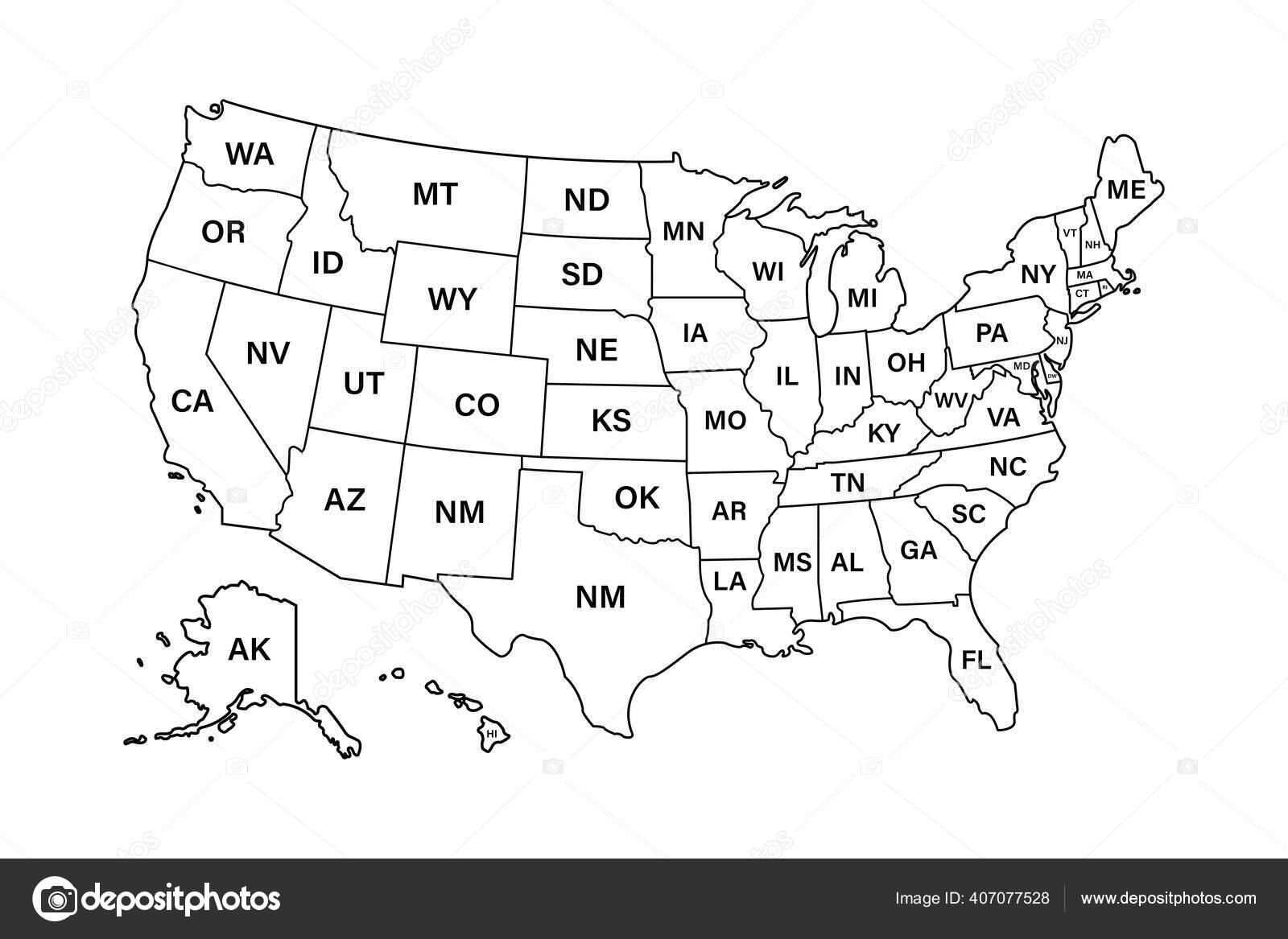
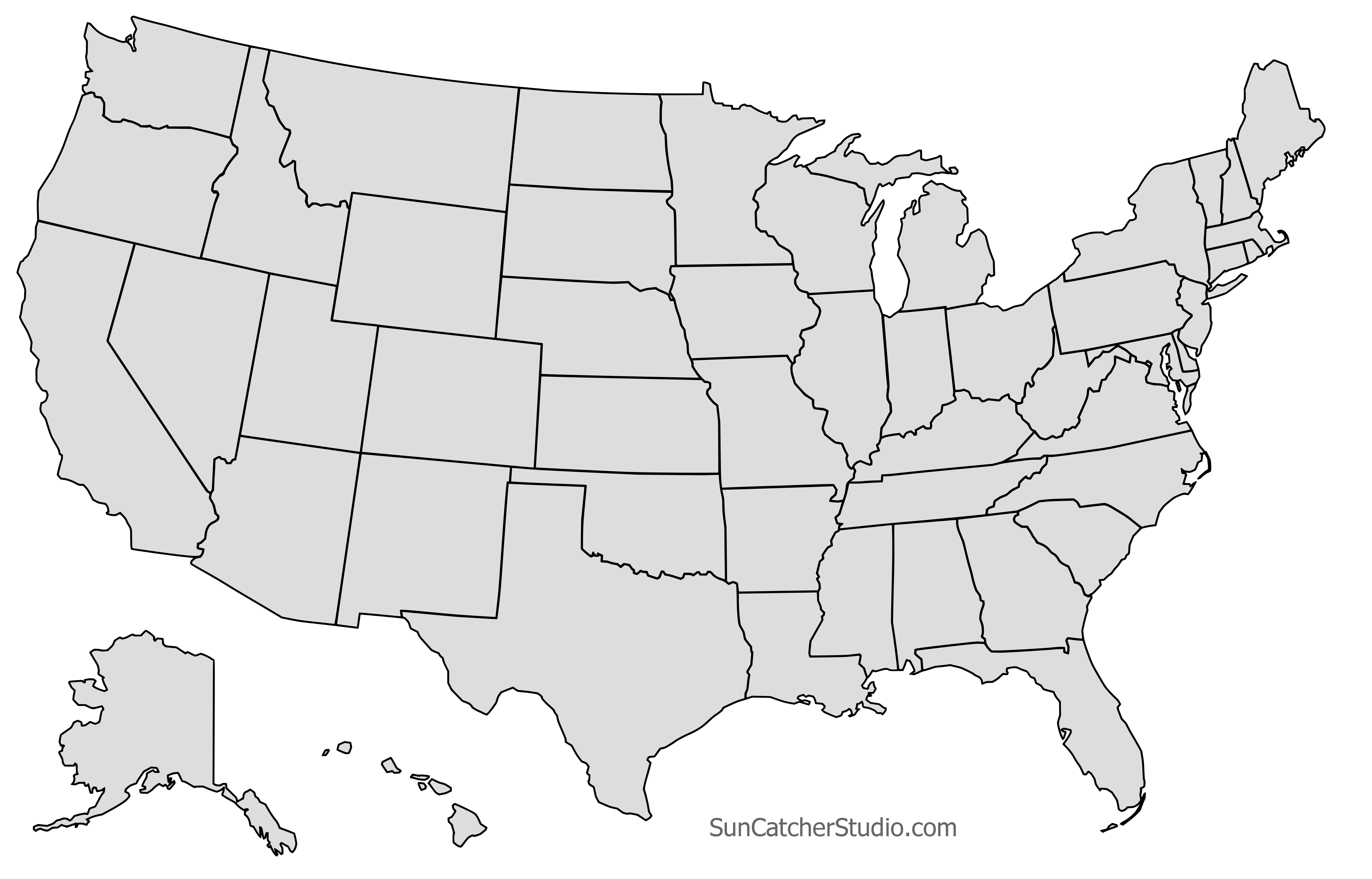
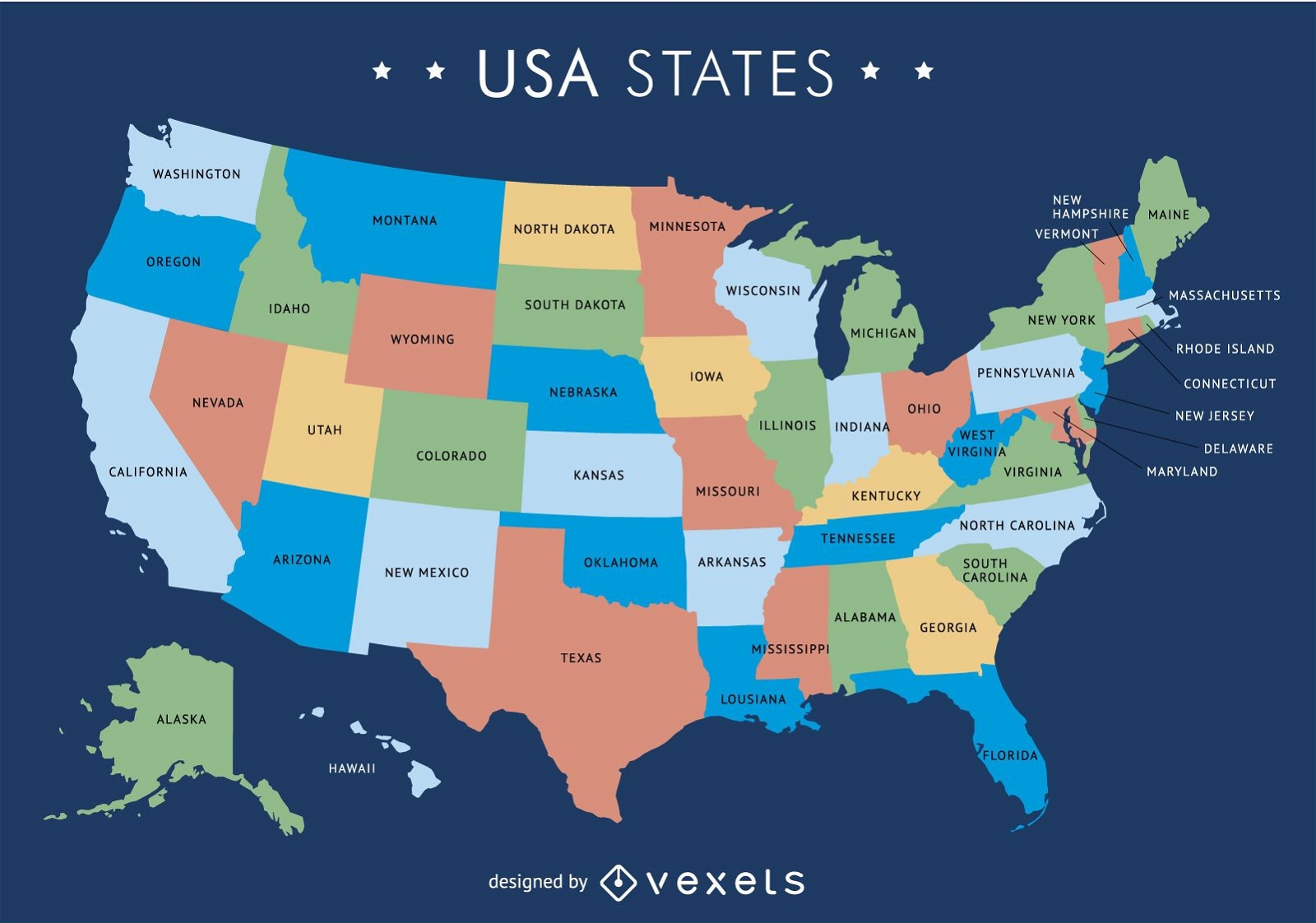
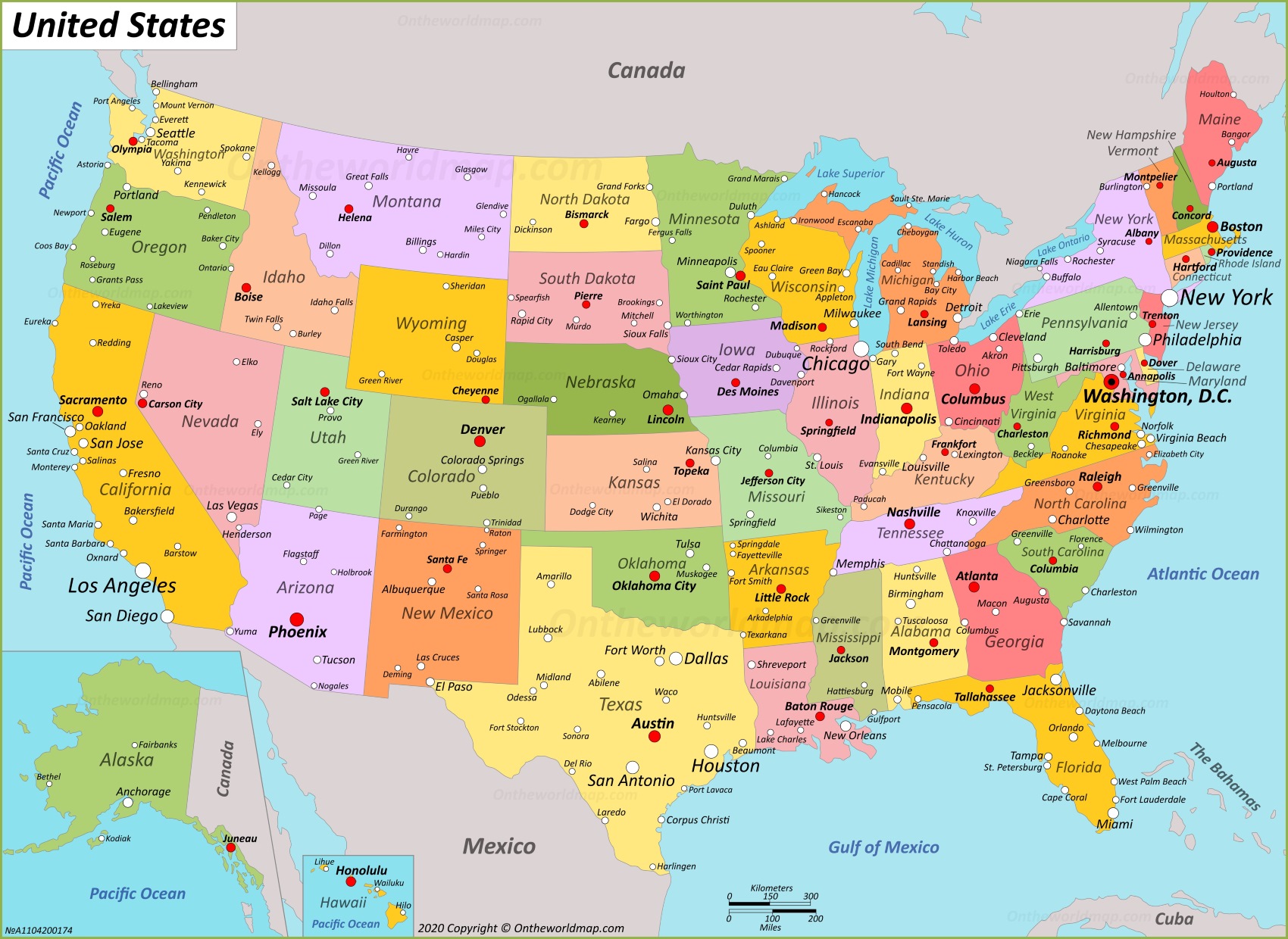
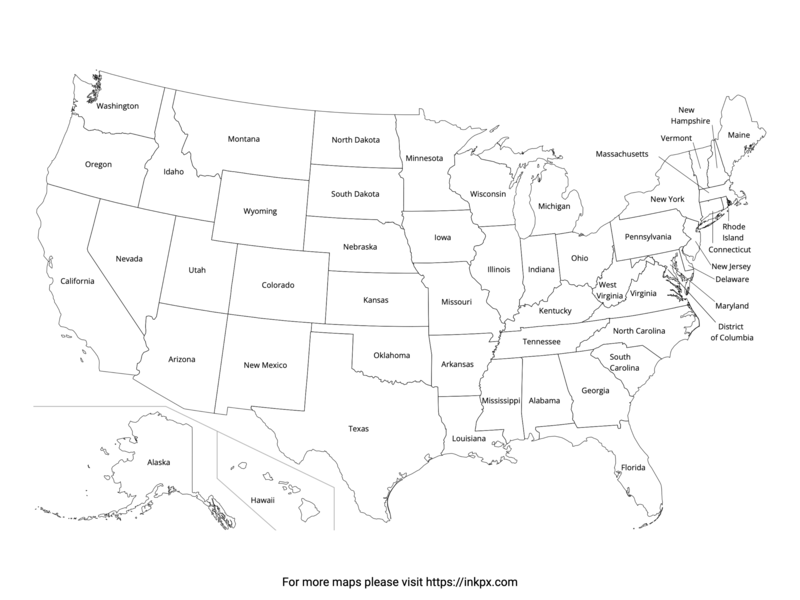
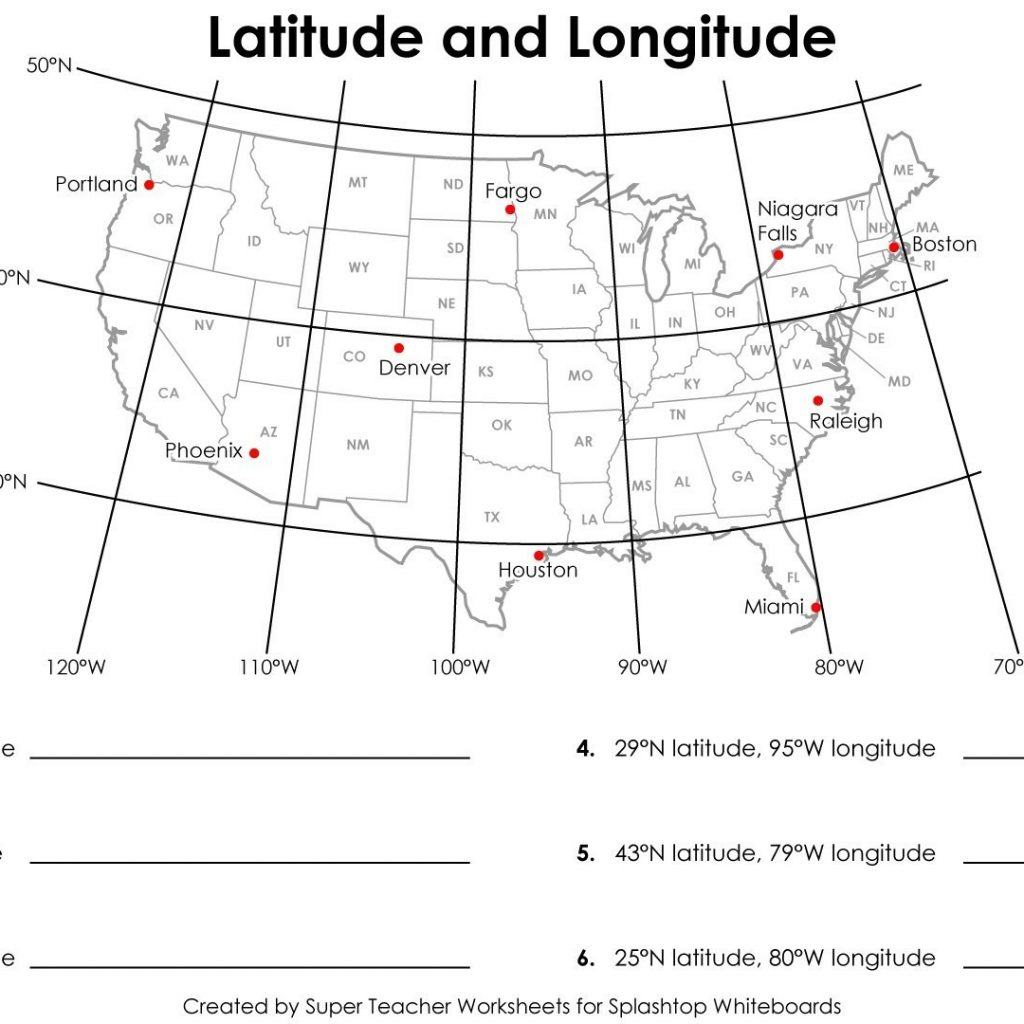
The United States map, a familiar visual to citizens and observers alike, is more than just a colorful patchwork of shapes. It’s a cartographic representation of a complex history, a dynamic present, and a future brimming with possibility. Each state line, etched onto the landscape through political maneuvering, compromise, and sometimes, outright conflict, tells a story. These boundaries, often invisible on the ground, exert a powerful influence on laws, economies, and even cultural identities. Understanding the US map, with its intricate web of state lines, is crucial to grasping the very essence of the nation itself.
A Tapestry of Territories: The Genesis of State Lines
The story of the US map begins long before the familiar arrangement of 50 states took shape. Initially, the land was a patchwork of Indigenous territories, each with its own unique culture, governance, and claim to the land. The arrival of European colonists dramatically altered this landscape. These newcomers, driven by ambition and the desire for resources, carved out settlements that would eventually evolve into the thirteen original colonies.
The initial boundaries of these colonies were often vague and overlapping, based on royal charters and claims that frequently disregarded the presence and rights of Indigenous populations. As the colonies grew and expanded westward, disputes over territory became commonplace. These disputes, often fueled by economic interests like access to waterways or fertile farmland, played a crucial role in shaping the early state lines.
The American Revolution solidified the independence of these thirteen colonies and laid the foundation for a unified nation. The Articles of Confederation, the first attempt at a national government, proved inadequate in resolving territorial disputes and establishing a cohesive national identity. The adoption of the United States Constitution in 1788 ushered in a new era, providing a framework for resolving these conflicts and guiding the expansion of the nation.
Westward Expansion and the Shaping of the American West
The 19th century witnessed a dramatic westward expansion that reshaped the US map in profound ways. Driven by the ideology of Manifest Destiny, Americans relentlessly pushed westward, displacing Indigenous populations and claiming vast territories for the United States.
The Louisiana Purchase in 1803, a monumental land acquisition from France, doubled the size of the nation and opened up vast new areas for exploration and settlement. Lewis and Clark’s expedition, commissioned by President Thomas Jefferson, mapped and documented the newly acquired territory, paving the way for future expansion.
The subsequent decades saw a series of wars and treaties with Indigenous nations, often resulting in the forced removal of these populations from their ancestral lands. The Trail of Tears, a tragic example of this policy, forced the Cherokee Nation from their homelands in the Southeast to Oklahoma, forever staining the nation’s history.
The westward expansion also fueled conflicts over slavery. The issue of whether newly acquired territories would be admitted as free or slave states became a central point of contention, ultimately leading to the Civil War. The Missouri Compromise of 1820 and the Compromise of 1850 attempted to address this issue, but ultimately failed to prevent the outbreak of hostilities.
State Lines: More Than Just Lines on a Map
The state lines of the US map are not merely arbitrary divisions of land. They represent significant political, economic, and cultural differences that continue to shape the nation today.
-
Political Boundaries: State lines define the jurisdictions of state governments, which have the power to enact laws and policies that affect the lives of their citizens. These laws vary widely from state to state, impacting everything from taxation and education to healthcare and environmental regulations. The differences in state laws often lead to debates and controversies, as citizens and businesses navigate the complex landscape of overlapping jurisdictions.
-
Economic Disparities: State lines also play a role in shaping economic disparities across the nation. Some states have thriving economies, driven by industries like technology, finance, or agriculture, while others struggle with unemployment and poverty. These disparities can be attributed to a variety of factors, including natural resources, infrastructure, education levels, and government policies. The presence of state lines can exacerbate these disparities, as businesses and individuals may choose to relocate to states with more favorable tax climates or regulatory environments.
-
Cultural Identities: While American culture shares many common threads, distinct regional and state-level identities persist. These identities are often shaped by history, geography, and demographics. State lines can reinforce these cultural differences, as people tend to identify more strongly with their state and its unique traditions. This sense of state identity can manifest in a variety of ways, from sports rivalries to regional cuisines to distinct dialects.
The Ever-Evolving US Map
The US map is not a static entity. While the current arrangement of 50 states has remained stable for several decades, there are ongoing discussions and debates about potential changes to state lines.
-
Statehood Movements: Throughout history, there have been numerous movements to create new states out of existing territories. These movements are often driven by a desire for greater political representation, economic autonomy, or cultural recognition. While few of these movements have been successful, they demonstrate the enduring power of state lines to shape political aspirations. Examples include past movements to create a new state of Jefferson from parts of Northern California and Southern Oregon, or more recent discussions about statehood for Puerto Rico and Washington D.C.
-
Interstate Cooperation: Despite the differences between states, there is also a long history of interstate cooperation on issues of mutual concern. States often form partnerships to address regional challenges, such as water management, transportation infrastructure, and environmental protection. These collaborations demonstrate the understanding that some problems transcend state lines and require a coordinated approach.
-
Redistricting and Gerrymandering: The process of redrawing congressional and state legislative districts, known as redistricting, occurs every ten years following the US Census. This process can have a significant impact on the political landscape, as it can be used to favor one party or another. The practice of gerrymandering, which involves drawing district lines in a way that benefits a particular party or incumbent, has been criticized for distorting the will of the voters and creating unfair electoral advantages.
The Enduring Significance of the US Map
The US map, with its intricate network of state lines, remains a powerful symbol of the nation’s history, diversity, and ongoing evolution. These lines, though often invisible on the ground, exert a profound influence on the political, economic, and cultural landscape of the United States.
Understanding the story behind the US map is crucial to comprehending the complexities of American society. It requires acknowledging the historical context, the political compromises, and the ongoing debates that have shaped the nation’s boundaries. By studying the US map and its state lines, we gain a deeper appreciation for the enduring power of geography, history, and politics in shaping the American experience. The map serves as a constant reminder of the ongoing quest to balance individual state sovereignty with the need for national unity, a challenge that continues to define the American experiment. As the nation moves forward, the US map will undoubtedly continue to evolve, reflecting the changing needs and aspirations of its diverse population.