By admin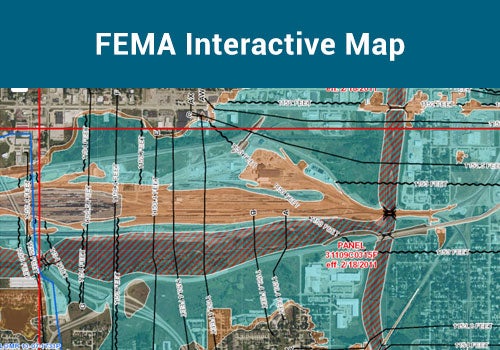
Understanding flood risk is paramount for homeowners, renters, and potential property buyers alike. In the United States, the Federal Emergency Management Agency (FEMA) plays a crucial role in assessing and mapping these risks through its Flood Insurance Rate Maps (FIRMs), commonly known as flood maps. Accessing and interpreting these maps is essential for informed decision-making regarding property investment, insurance coverage, and mitigation strategies. This article provides a comprehensive guide to utilizing the FEMA flood map address search, covering everything from finding the right tools to understanding the information presented.
Why is FEMA Flood Map Address Search Important?
Flood maps are not just colorful lines on paper; they are powerful tools that impact various aspects of property ownership and development:
- Flood Insurance Requirements: One of the primary reasons for using FEMA flood maps is to determine whether a property is located within a Special Flood Hazard Area (SFHA), also known as a flood zone. If a property falls within an SFHA and has a federally backed mortgage, flood insurance is typically mandatory.
- Property Value and Resale: A property’s location within a flood zone can significantly affect its value and resale potential. Properties in high-risk areas often require higher insurance premiums, which can deter potential buyers.
- Building Regulations and Permitting: Local building codes and permitting processes are often influenced by a property’s flood zone designation. Building permits may require specific flood-resistant construction techniques or elevation requirements for properties in SFHAs.
- Community Planning and Development: Flood maps inform community planning and development decisions, guiding infrastructure improvements, zoning regulations, and emergency response plans.
- Personal Safety and Preparedness: Understanding your flood risk allows you to take proactive measures to protect yourself, your family, and your property from the devastating effects of flooding. This includes developing an evacuation plan, purchasing flood insurance (even if not required), and implementing flood mitigation strategies.
Accessing FEMA Flood Maps: The Address Search Tools
FEMA provides several avenues for accessing flood maps, with the address search being the most convenient and user-friendly option for most individuals. Here’s a breakdown of the primary resources:
- FEMA Flood Map Service Center (MSC): The MSC is FEMA’s official online portal for accessing flood map information. This is often the first place to start your search.
- Address Search Functionality: The MSC features a prominent address search bar where you can enter a specific address to determine its flood zone designation.
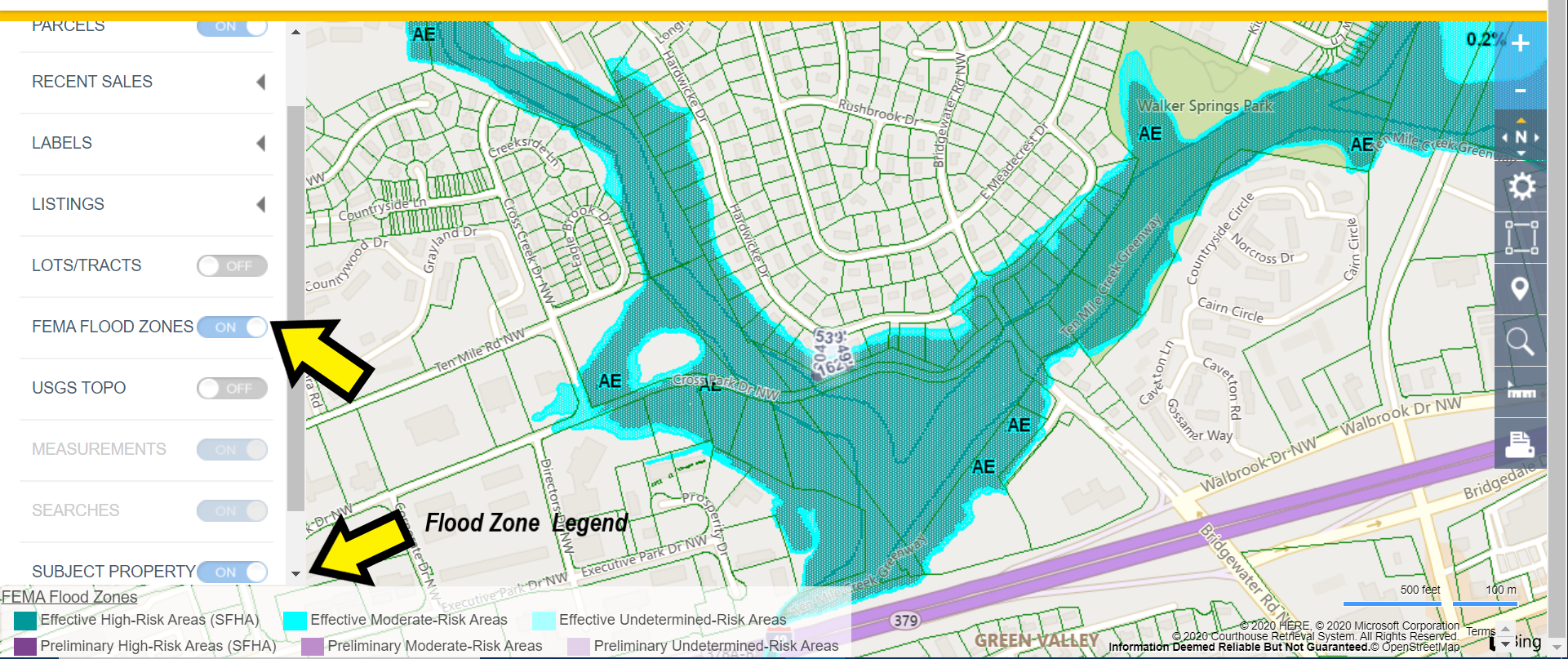
- Map Viewer: The MSC also provides an interactive map viewer that allows you to navigate geographically and identify flood zones in specific areas. This is particularly helpful if you’re unsure of the exact address or want to explore the surrounding area.
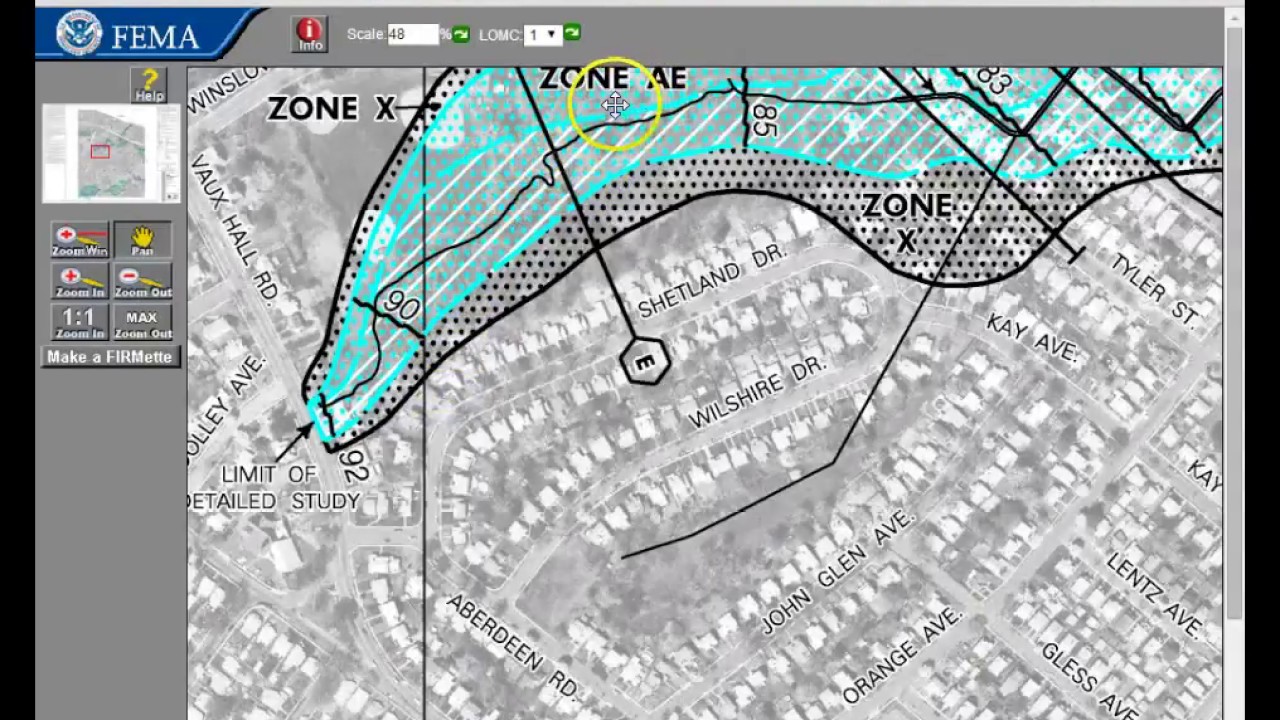
- FIRMette Tool: The FIRMette tool allows you to create a customized excerpt of a flood map for a specific area. This is useful for providing a clear and concise visual representation of the flood risk for a particular property.
- Flood Zone Definitions and Resources: The MSC offers valuable information about flood zone definitions, flood insurance requirements, and mitigation strategies.
- Your Local Community: Many local governments and planning departments maintain their own flood map information and resources.
- Planning and Zoning Department: Your local planning and zoning department is a valuable resource for accessing flood maps and understanding local flood regulations.
- Online GIS Systems: Many communities utilize Geographic Information Systems (GIS) to display flood map information alongside other geographical data, providing a comprehensive view of flood risk in the area.
- Community Outreach Programs: Some communities offer outreach programs to educate residents about flood risk and provide assistance with accessing and interpreting flood maps.
- Flood Insurance Professionals: Insurance agents specializing in flood insurance are well-versed in interpreting flood maps and can provide valuable guidance on flood risk assessment and insurance coverage.
- Third-Party Flood Determination Companies: These companies provide flood zone determinations for a fee, often used by lenders during the mortgage process. While not a substitute for consulting official FEMA resources, they can offer a quick and convenient assessment.
Step-by-Step Guide to Using the FEMA Flood Map Service Center Address Search:
- Navigate to the FEMA Flood Map Service Center: Open your web browser and go to the FEMA Flood Map Service Center website (search for "FEMA Flood Map Service Center" on any major search engine).
- Locate the Address Search Bar: The address search bar is usually prominently displayed on the homepage.
- Enter the Property Address: Carefully enter the complete and accurate address of the property you want to investigate. This includes the street number, street name, city, and state. Accuracy is crucial for obtaining the correct flood zone information.
- Click "Search": After entering the address, click the "Search" button.
- Review the Search Results: The MSC will display the search results, which typically include the following:
- FEMA Flood Zone Designation: This is the most important piece of information. It indicates the property’s flood zone designation, such as Zone A, Zone AE, Zone X, etc. (See "Understanding Flood Zone Designations" below for details).
- Flood Map Number: This is the unique identifier for the specific flood map panel that covers the property.
- Effective Date of the Flood Map: This indicates the date the flood map was last updated. It’s important to check the effective date to ensure you’re using the most current information.
- Community Name and Number: This identifies the local community where the property is located.
- Link to the Full Flood Map: The MSC usually provides a link to view the full flood map panel, allowing you to see the property’s location in relation to other flood zones and geographical features.
- Explore the Map Viewer (Optional): If you want to see the property’s location in a broader context, click on the link to access the interactive map viewer. This allows you to zoom in and out, pan around the map, and explore the surrounding area.
- Use the FIRMette Tool (Optional): If you need to create a customized excerpt of the flood map for a specific area, use the FIRMette tool. This allows you to define the boundaries of the area you want to include in the excerpt and then generate a PDF file.
Understanding Flood Zone Designations:
Flood zone designations are used to classify areas based on their flood risk. Here’s a brief overview of some common flood zone designations:
- High-Risk Flood Zones (Special Flood Hazard Areas – SFHAs):
- Zone A: Areas subject to inundation by the 1-percent-annual-chance flood (also known as the 100-year flood). Mandatory flood insurance purchase requirements apply. No base flood elevations (BFEs) are determined.
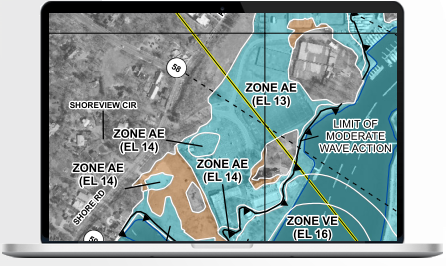
- Zone AE: Areas subject to inundation by the 1-percent-annual-chance flood. Mandatory flood insurance purchase requirements apply. BFEs are determined.
- Zone AH: Areas subject to inundation by the 1-percent-annual-chance flood; flood depths are 1 to 3 feet. Mandatory flood insurance purchase requirements apply. BFEs are determined.
- Zone AO: Areas subject to inundation by the 1-percent-annual-chance flood; flood depths are 1 to 3 feet; usually sheet flow on sloping terrain. Mandatory flood insurance purchase requirements apply. BFEs are determined.
- Zone VE: Coastal high-hazard areas subject to inundation by the 1-percent-annual-chance flood with additional hazards due to storm-induced velocity wave action. Mandatory flood insurance purchase requirements apply. BFEs are determined.
- Moderate-Risk Flood Zones:
- Zone B (or Zone X Shaded): Areas subject to inundation by the 0.2-percent-annual-chance flood (also known as the 500-year flood); areas subject to inundation by the 1-percent-annual-chance flood with average depths of less than 1 foot or with drainage areas less than 1 square mile; and areas protected by levees from the 1-percent-annual-chance flood. Flood insurance is recommended, but not required.
- Minimal-Risk Flood Zones:
- Zone C (or Zone X Unshaded): Areas determined to be outside the 500-year floodplain. Flood insurance is recommended, but not required.
- Undetermined Risk:
- Zone D: Areas where flood hazards are undetermined, but possible.
Important Considerations and Caveats:
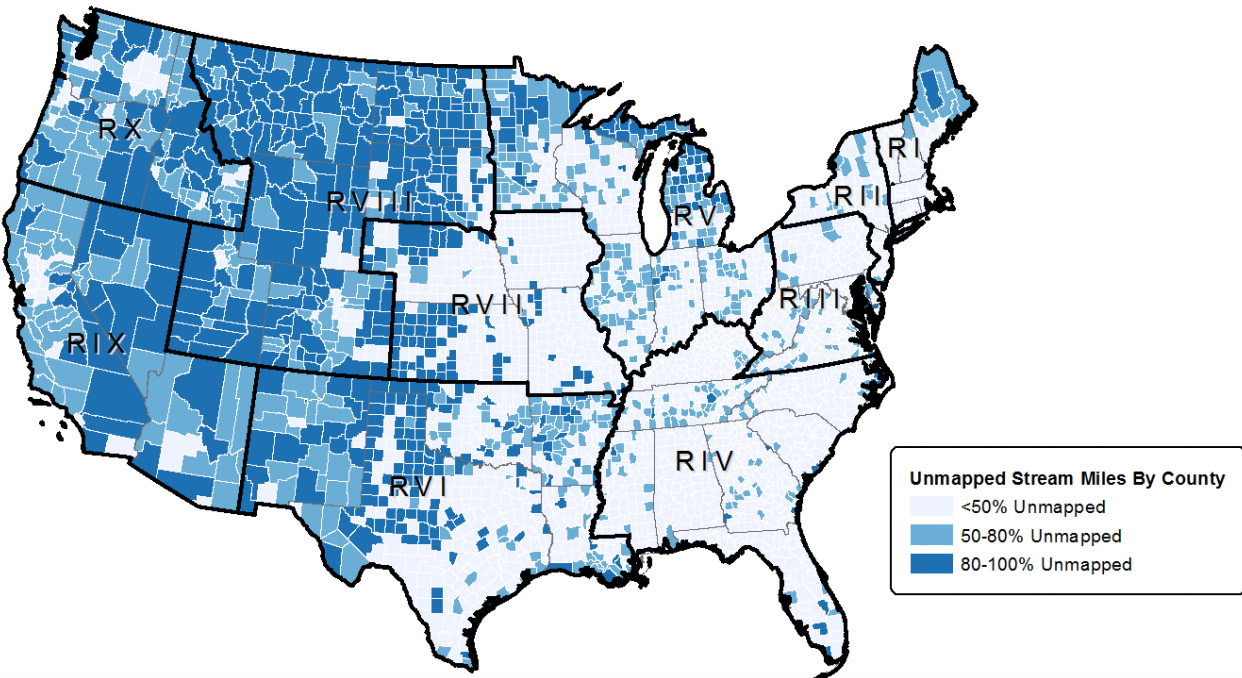
- Flood maps are not perfect: Flood maps are based on complex hydrological and hydraulic models, but they are not perfect representations of reality. Actual flood events can exceed the mapped boundaries, and changes in land use, development, and climate can alter flood risk over time.
- Flood maps are subject to change: FEMA regularly updates flood maps to reflect new data, improved modeling techniques, and changes in flood risk. It’s important to check the effective date of the flood map and ensure you’re using the most current information.
- Consult with professionals: If you have questions or concerns about your flood risk, consult with a flood insurance professional, a local planning official, or a qualified engineer. They can provide expert guidance on flood risk assessment, mitigation strategies, and insurance coverage.
- Flood insurance is recommended, even if not required: Even if your property is located in a low-risk flood zone, flood insurance is still recommended. Flooding can occur in unexpected places, and standard homeowner’s insurance policies typically do not cover flood damage.
- Consider elevation certificates: An elevation certificate is a document that verifies the elevation of your property in relation to the base flood elevation. This can be used to determine your flood insurance premium and may be required for certain building permits.
Conclusion:
The FEMA flood map address search is a powerful tool for understanding flood risk and making informed decisions about property ownership, insurance, and mitigation. By following the steps outlined in this guide and understanding the information presented, you can effectively navigate the waters of flood risk assessment and protect yourself and your property from the devastating effects of flooding. Remember to stay informed, consult with professionals when needed, and take proactive measures to mitigate your flood risk, regardless of your flood zone designation.