By admin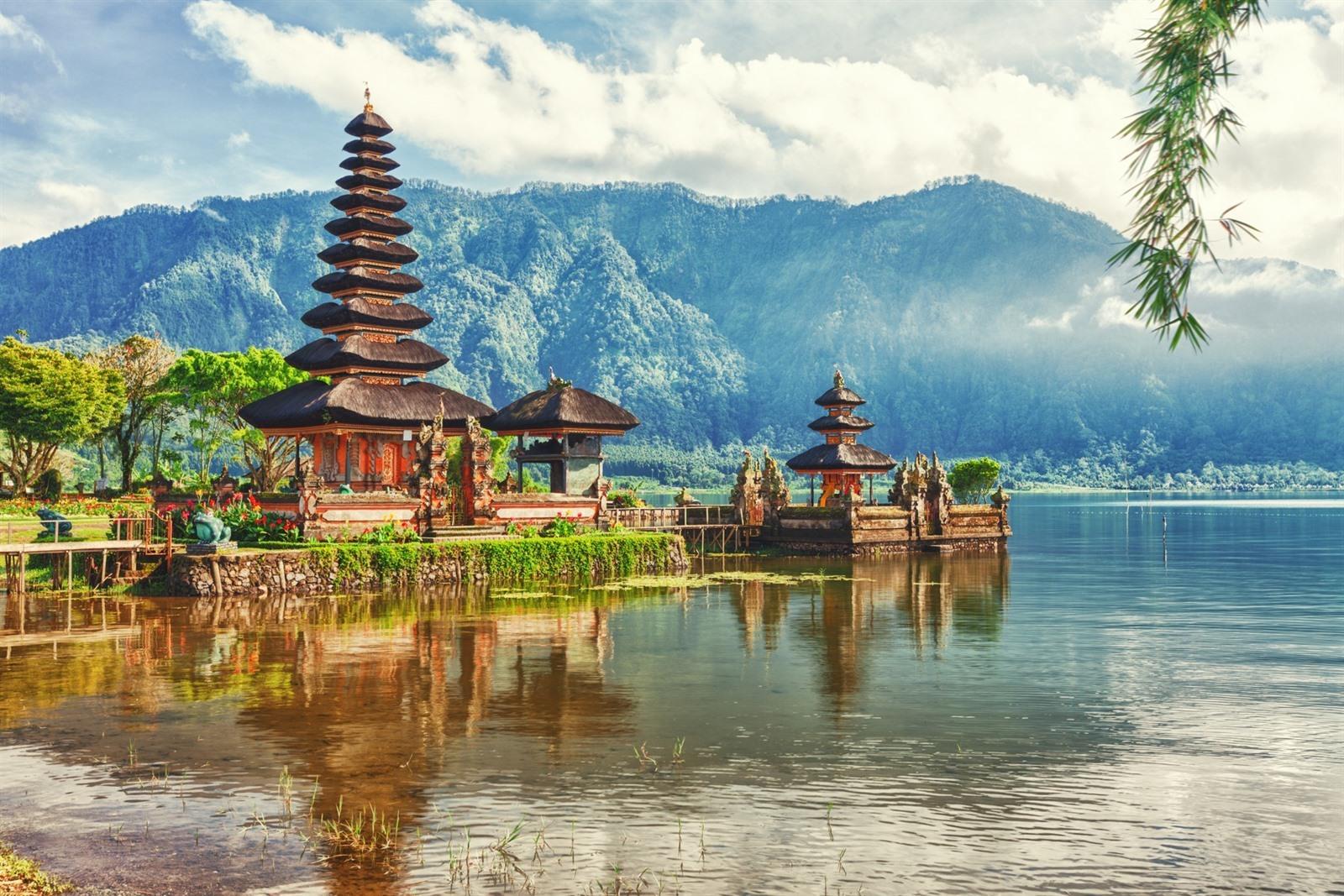
Indonesia, the world’s largest archipelago, sprawls across the equator like a shimmering emerald necklace strung across the Indian and Pacific Oceans. Composed of over 17,000 islands, it’s a nation of breathtaking diversity, each island contributing a unique thread to the rich tapestry of Indonesian culture and landscape. Among these thousands of islands, one shines particularly brightly, capturing the imagination of travellers worldwide: Bali.
Located just east of Java and west of Lombok, Bali is a relatively small island in the Lesser Sunda Islands chain. On the map of Indonesia, it appears as a vibrant speck, seemingly insignificant in size compared to behemoths like Sumatra, Kalimantan, and Papua. Yet, its cultural weight and global recognition far exceed its physical dimensions. This article explores Bali’s geographical context within Indonesia, delving into its unique features, cultural significance, and its crucial role in Indonesian tourism and identity.
Geographical Context: A Volcanic Paradise
Bali’s geographical location plays a pivotal role in shaping its unique characteristics. Situated in the "Ring of Fire," a major area in the basin of the Pacific Ocean where many earthquakes and volcanic eruptions occur, Bali is a volcanic island. The presence of active volcanoes like Mount Agung (the highest point on the island) and Mount Batur has profoundly influenced the landscape, soil fertility, and even the cultural practices of the Balinese people.
The fertile volcanic soil allows for the cultivation of lush rice paddies, a defining feature of the Balinese landscape. These terraced rice fields, meticulously sculpted into the hillsides, are not only aesthetically pleasing but also represent a sophisticated agricultural system known as "Subak," a UNESCO World Heritage Site. This system, rooted in communal cooperation and water management, demonstrates the Balinese people’s deep connection with their land and their ingenuity in harnessing the island’s natural resources.
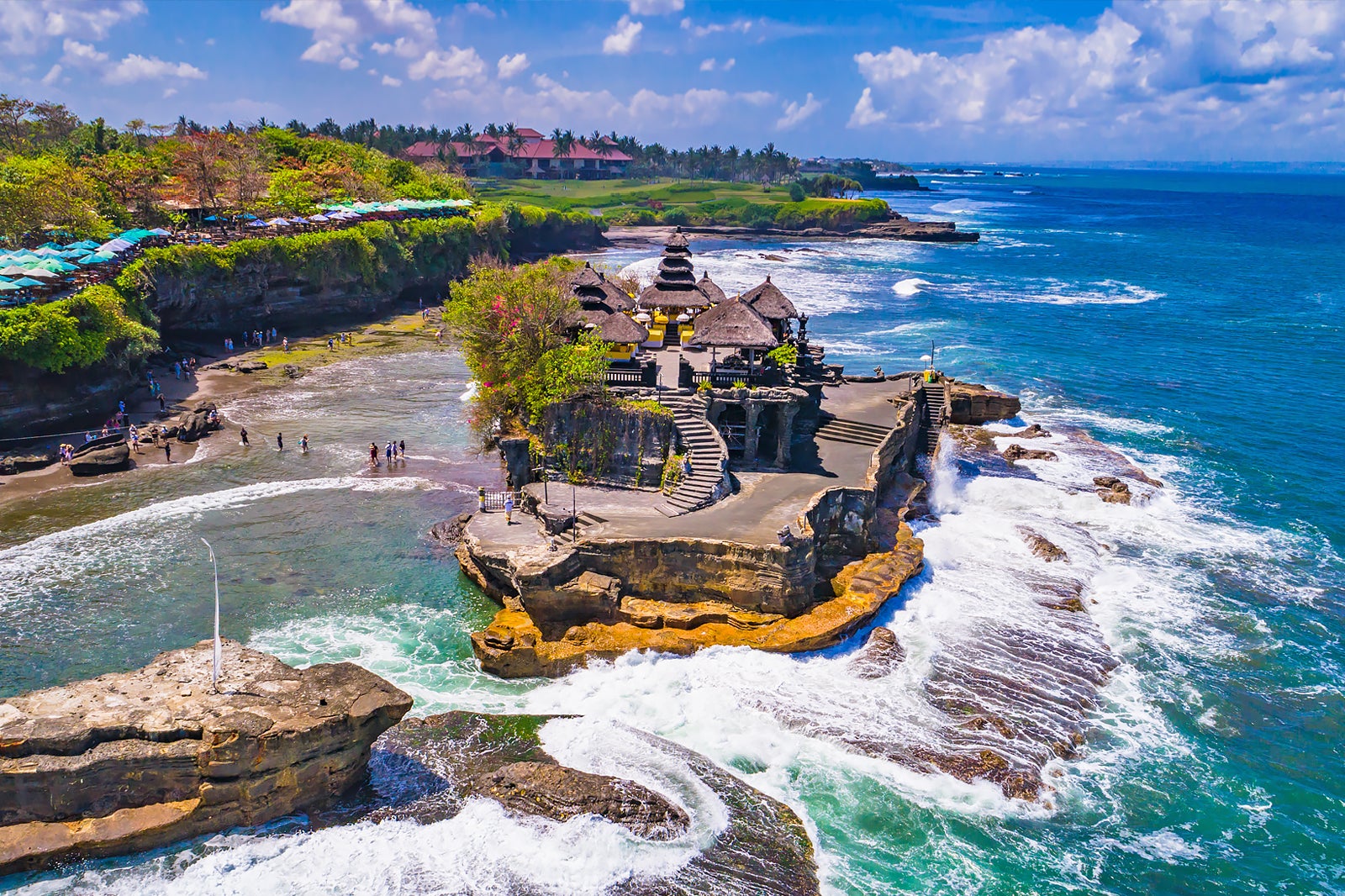
Bali’s coastline is equally diverse. The southern coast is known for its stunning beaches, world-class surfing breaks, and dramatic cliffs. The western coast boasts black sand beaches and powerful waves, while the northern coast offers calmer waters and vibrant coral reefs, perfect for diving and snorkeling. This diverse coastline contributes significantly to Bali’s appeal as a tourist destination, catering to a wide range of interests and activities.
Cultural Significance: A Tapestry of Tradition and Spirituality
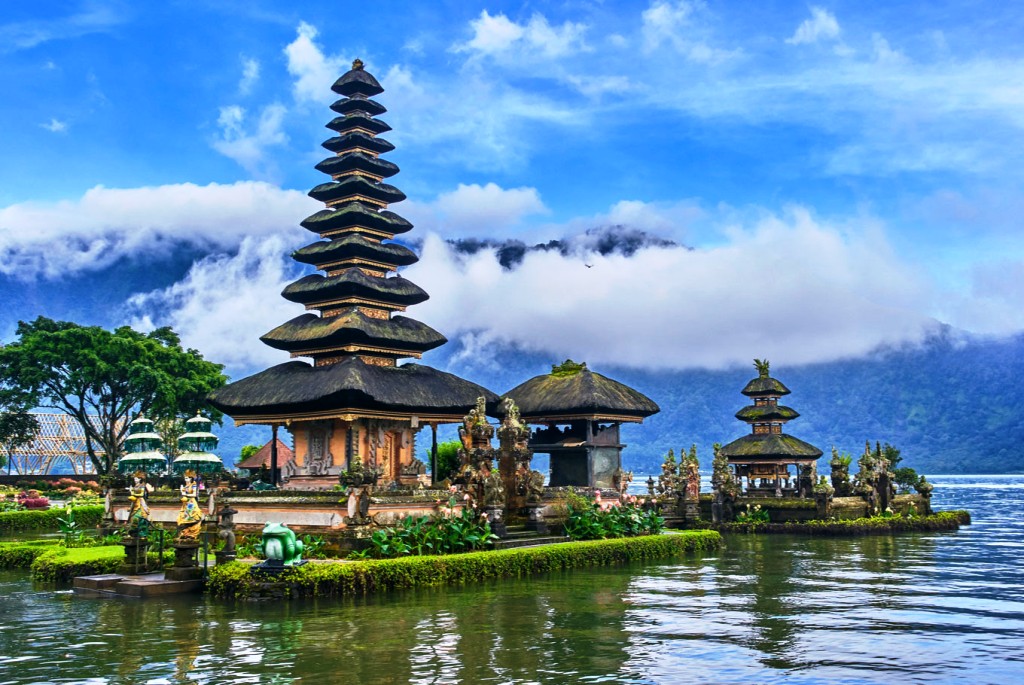
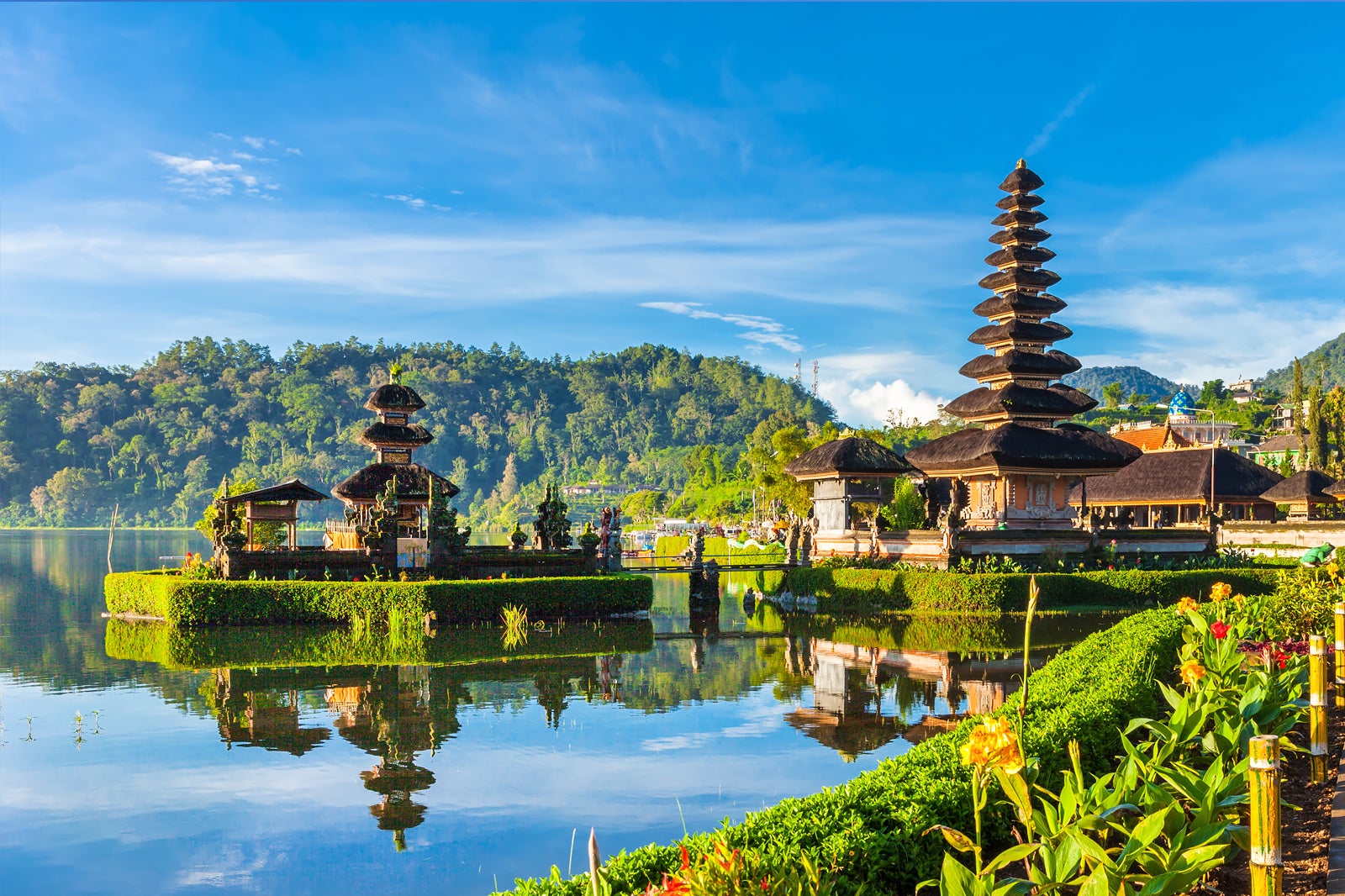
While geographically part of Indonesia, Bali boasts a distinct cultural identity that sets it apart from many other islands in the archipelago. The dominant religion is Balinese Hinduism, a unique blend of Hindu beliefs, ancestral worship, and animistic traditions. This religious syncretism is deeply embedded in every aspect of Balinese life, from daily rituals to elaborate ceremonies and artistic expressions.
The Balinese calendar is replete with festivals and ceremonies, each meticulously planned and executed with vibrant colors, intricate costumes, and captivating performances. The most significant of these is Nyepi, the Balinese New Year, a day of complete silence and introspection. The entire island shuts down, with no traffic, no lights, and no activity permitted, creating an eerie and profound atmosphere.
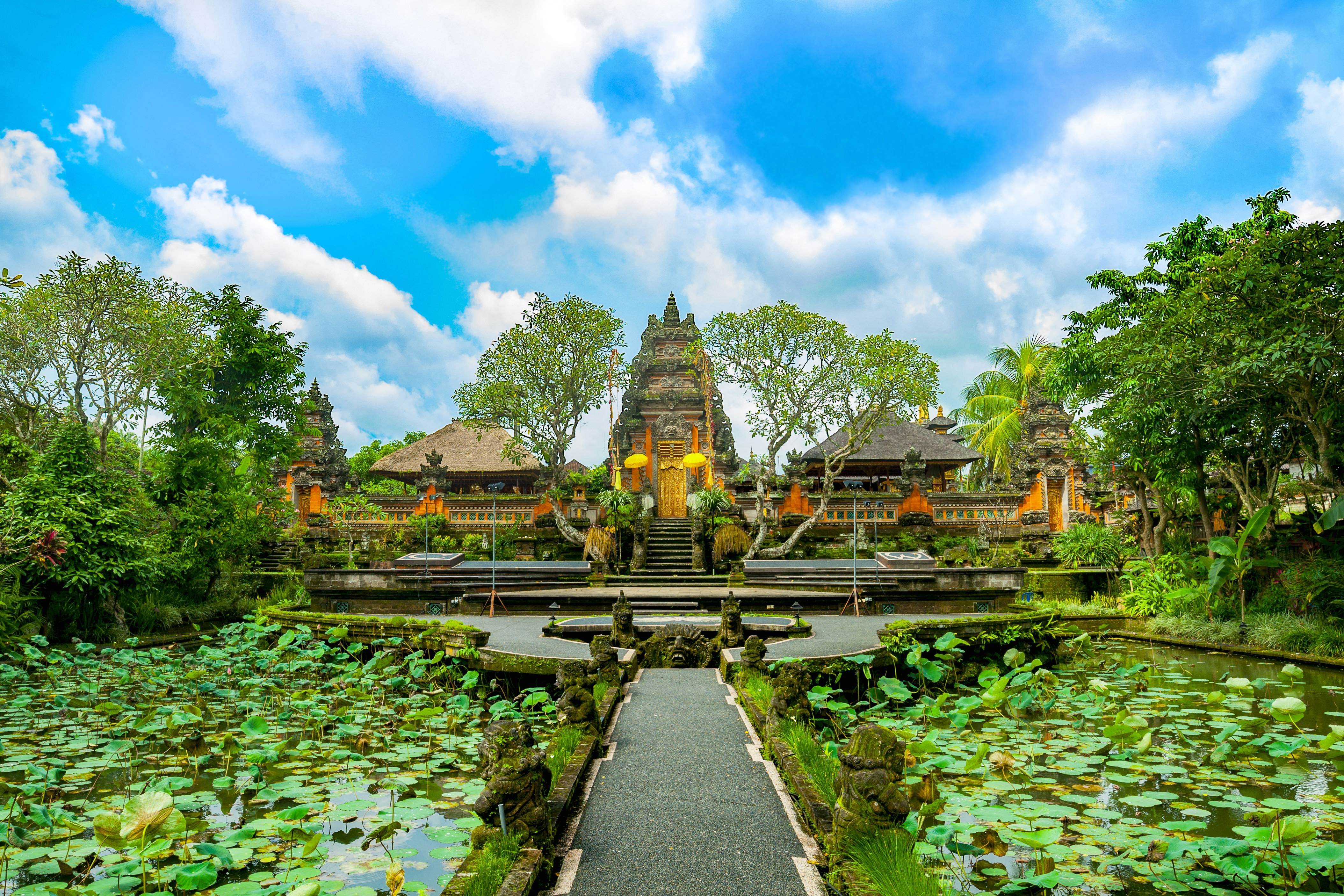
Art is integral to Balinese culture. From the intricate wood carvings and stone sculptures that adorn temples and homes to the graceful movements of traditional dances and the evocative sounds of gamelan music, art is a means of expressing religious beliefs, preserving cultural heritage, and celebrating the beauty of the natural world. The Balinese are renowned for their artistic skills, passed down through generations, contributing to the island’s rich cultural tapestry.
The traditional Balinese social structure is based on a caste system, although its influence has diminished in modern times. Family and community bonds are strong, and the concept of "Tri Hita Karana," the three causes of well-being (harmony with God, harmony with other people, and harmony with nature), guides their way of life. This emphasis on balance and interconnectedness is reflected in their architecture, art, and social interactions.
Bali’s Role in Indonesian Tourism and Identity
Bali’s influence on Indonesian tourism is undeniable. It is the country’s most popular tourist destination, attracting millions of visitors each year. The island’s stunning natural beauty, unique culture, and warm hospitality have made it a global icon of tropical paradise.
The tourism industry has brought significant economic benefits to Bali, providing employment opportunities and generating revenue for local businesses. However, it has also presented challenges, including environmental degradation, cultural commodification, and the widening gap between the rich and the poor. Sustainable tourism practices are crucial to ensure that the benefits of tourism are shared equitably and that Bali’s natural and cultural heritage is preserved for future generations.
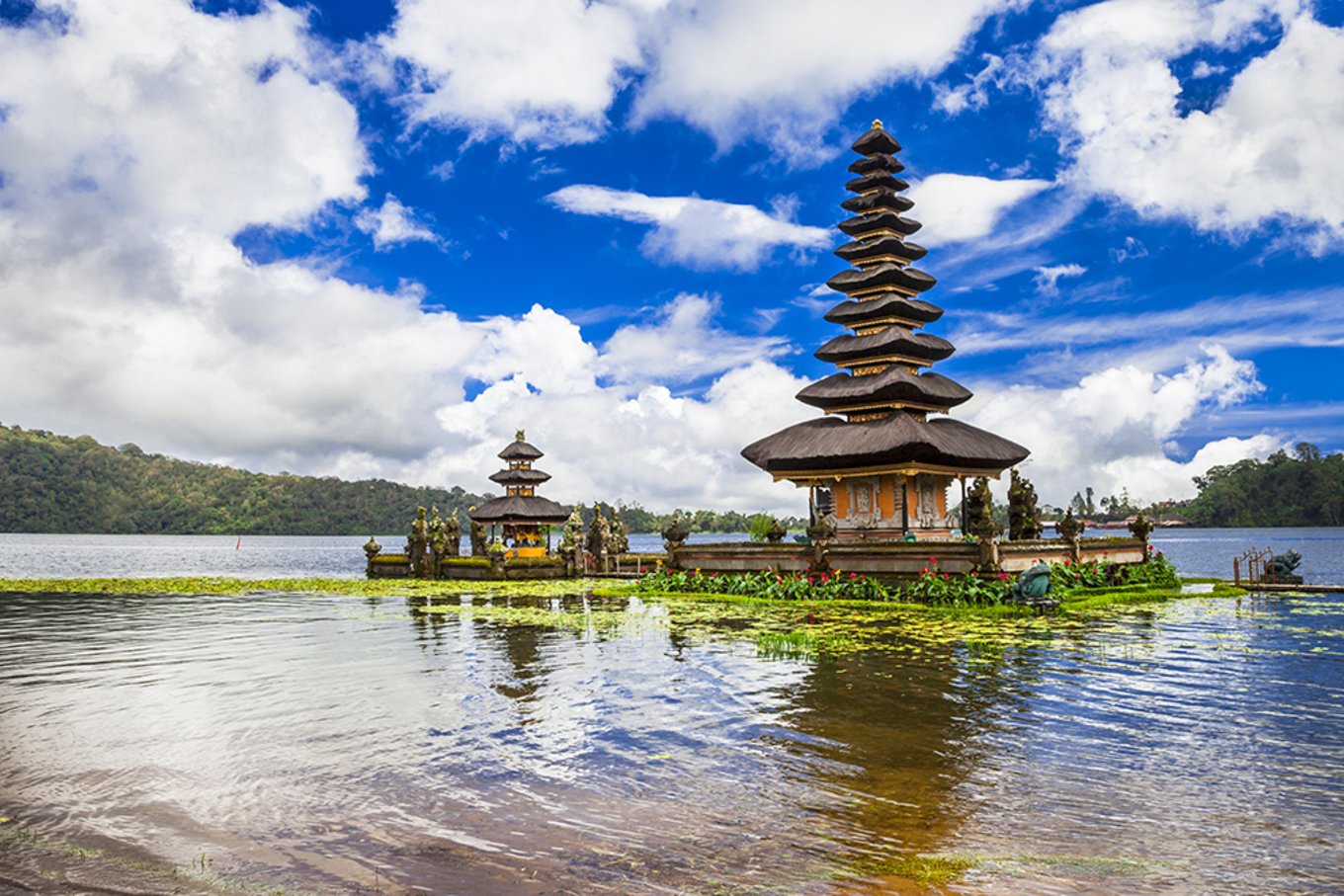
Beyond its economic contribution, Bali plays a significant role in shaping Indonesia’s national identity. It is often presented as a showcase of Indonesian diversity and cultural richness. The image of Bali, with its temples, rice paddies, and smiling faces, is frequently used in promotional materials to attract tourists and investors to Indonesia.
However, it is important to remember that Bali is just one island among thousands, and its cultural practices are not representative of the entire nation. While Bali contributes significantly to Indonesia’s image on the global stage, it is crucial to acknowledge and celebrate the diversity of cultures and traditions that exist throughout the archipelago.
Challenges and Opportunities
Despite its popularity and success, Bali faces a number of challenges. Over-tourism, waste management, water scarcity, and the loss of traditional lands are all pressing issues that need to be addressed. The Balinese people are actively working to find sustainable solutions to these challenges, seeking to balance economic development with environmental protection and cultural preservation.
The rise of digital nomadism presents both opportunities and challenges for Bali. While it can bring economic benefits and attract creative individuals, it also puts pressure on infrastructure and housing, potentially contributing to gentrification and displacement.
Looking ahead, Bali needs to prioritize sustainable tourism practices, invest in infrastructure improvements, and empower local communities to participate in decision-making processes. By embracing innovation and collaboration, Bali can continue to thrive as a vibrant cultural destination while preserving its unique identity and natural beauty.
Conclusion: A Lasting Legacy
Bali, though a small island on the vast map of Indonesia, holds an outsized significance. Its unique blend of Hinduism, art, and natural beauty has captivated the world, making it a symbol of tropical paradise and cultural richness. While its popularity has brought both opportunities and challenges, the Balinese people are committed to preserving their heritage and creating a sustainable future for their island.
As a jewel in the Indonesian archipelago, Bali’s legacy extends beyond its borders, inspiring travelers, artists, and scholars alike. Its story serves as a reminder of the power of culture to shape identity, the importance of sustainable practices, and the enduring allure of a place where beauty, spirituality, and tradition intertwine. By understanding Bali’s geographical context, cultural significance, and its role within Indonesia, we can appreciate its unique contribution to the world and support its efforts to thrive in a changing world. Bali is more than just an island on a map; it’s a testament to the resilience, creativity, and enduring spirit of the Balinese people.