By admin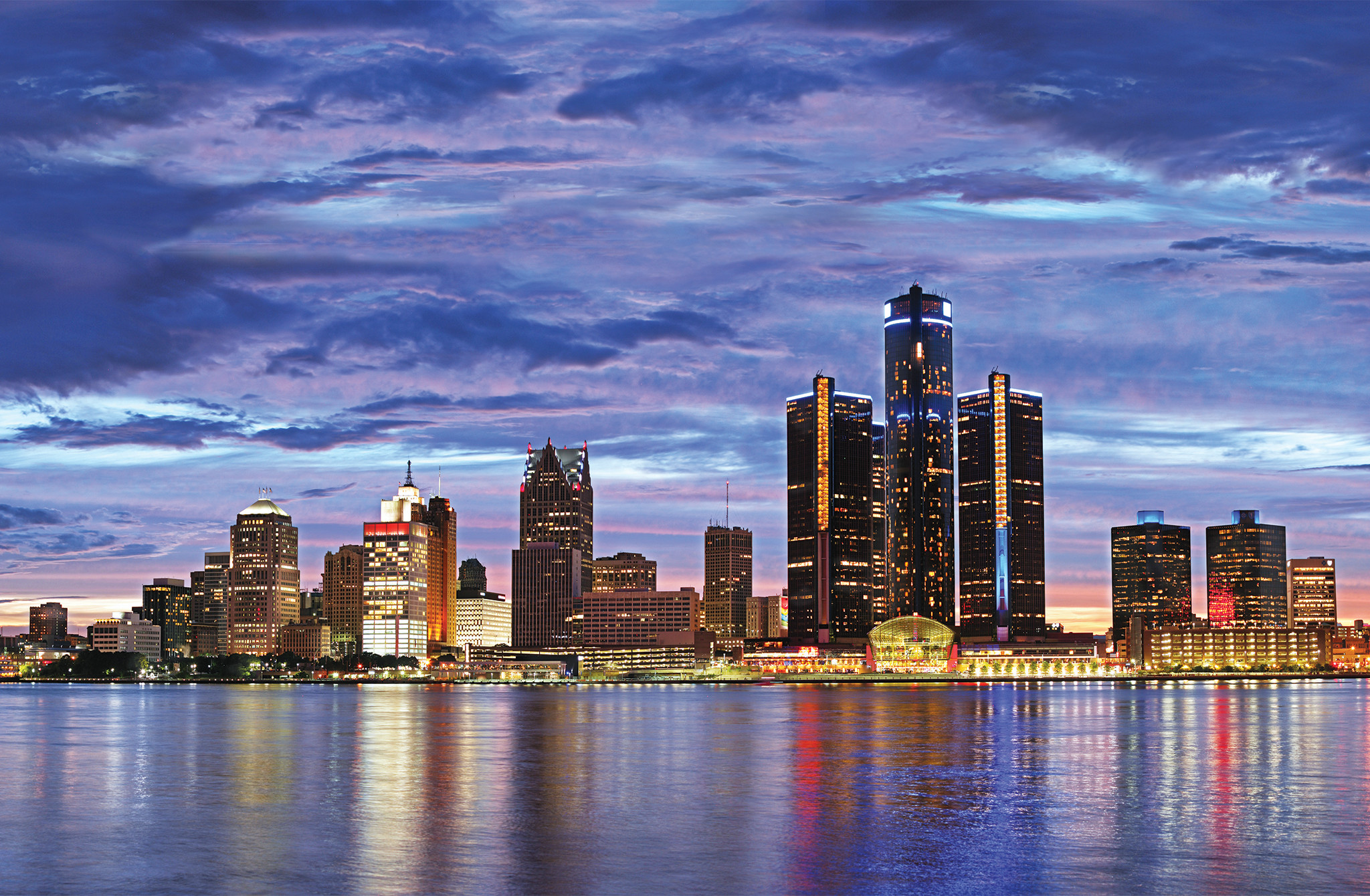
Detroit, the Motor City, is more than just an industrial powerhouse; it’s a tapestry woven from a vibrant and diverse collection of neighborhoods, each boasting a unique character and history. Understanding the city’s map is key to unlocking its soul, appreciating its resilience, and recognizing the distinct stories embedded within its streets. This article delves into Detroit’s neighborhoods, exploring their defining features, historical context, and ongoing evolution, providing a comprehensive guide to navigating this dynamic urban landscape.
The Heart of the City: Downtown and Midtown
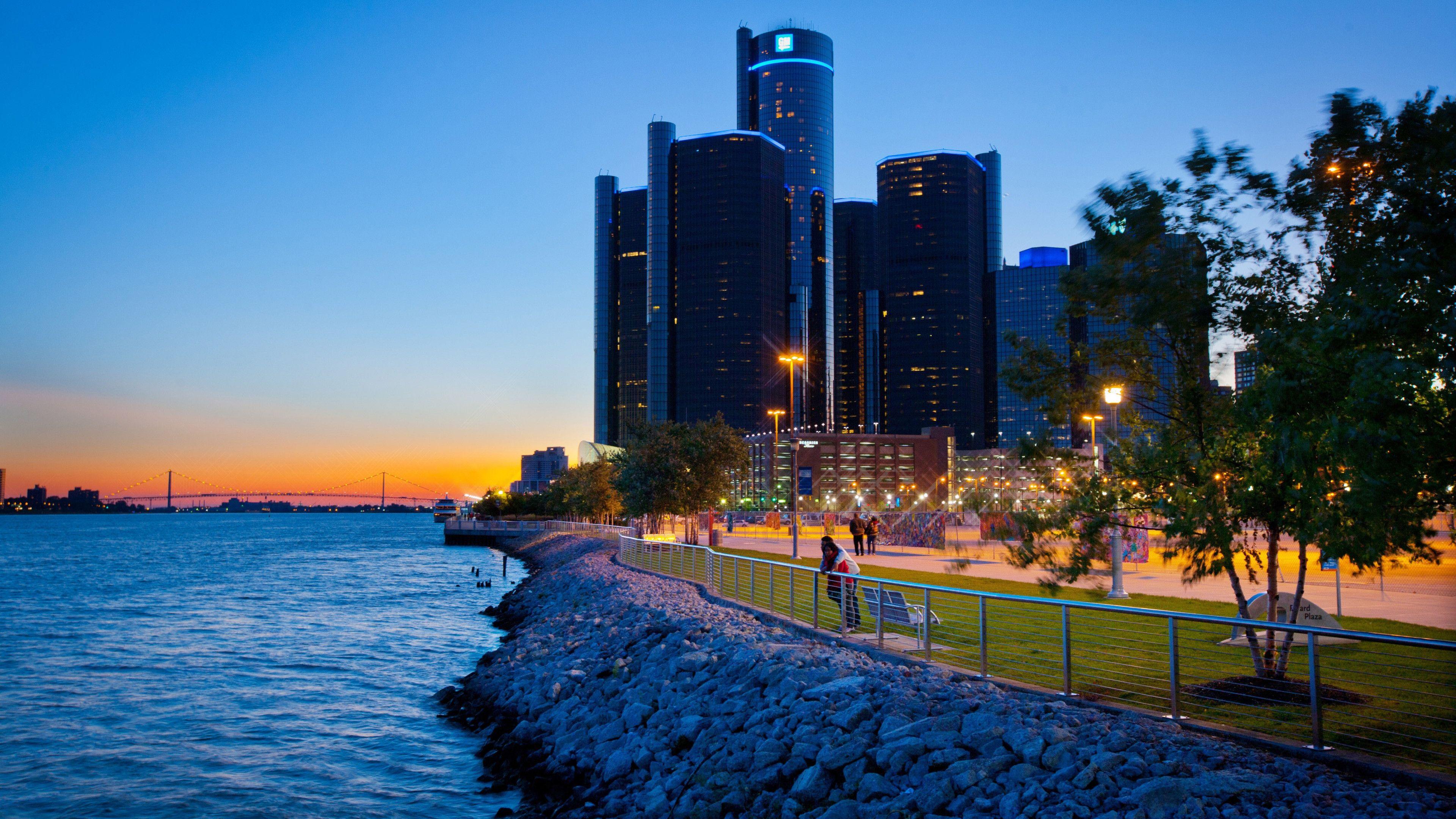
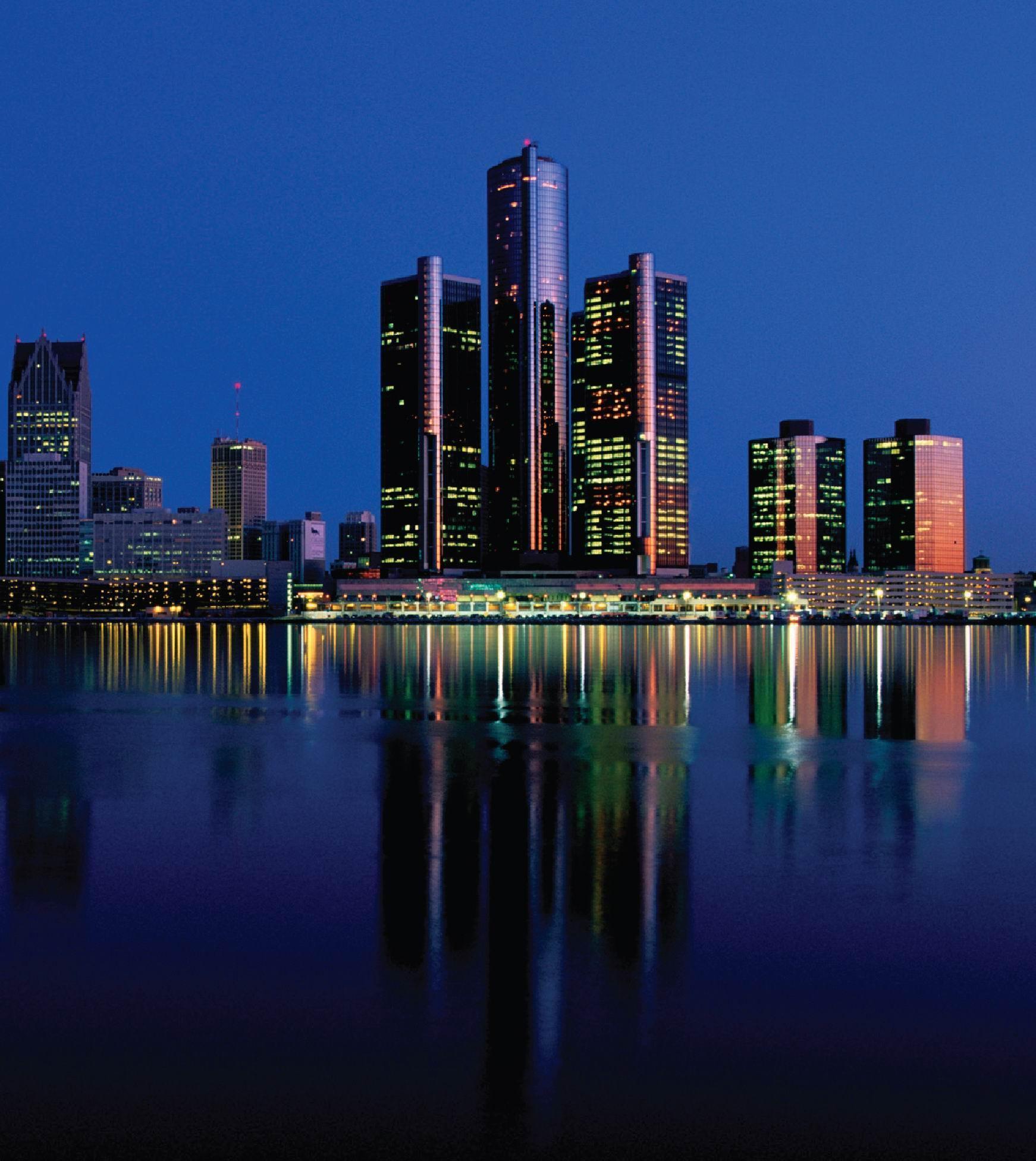
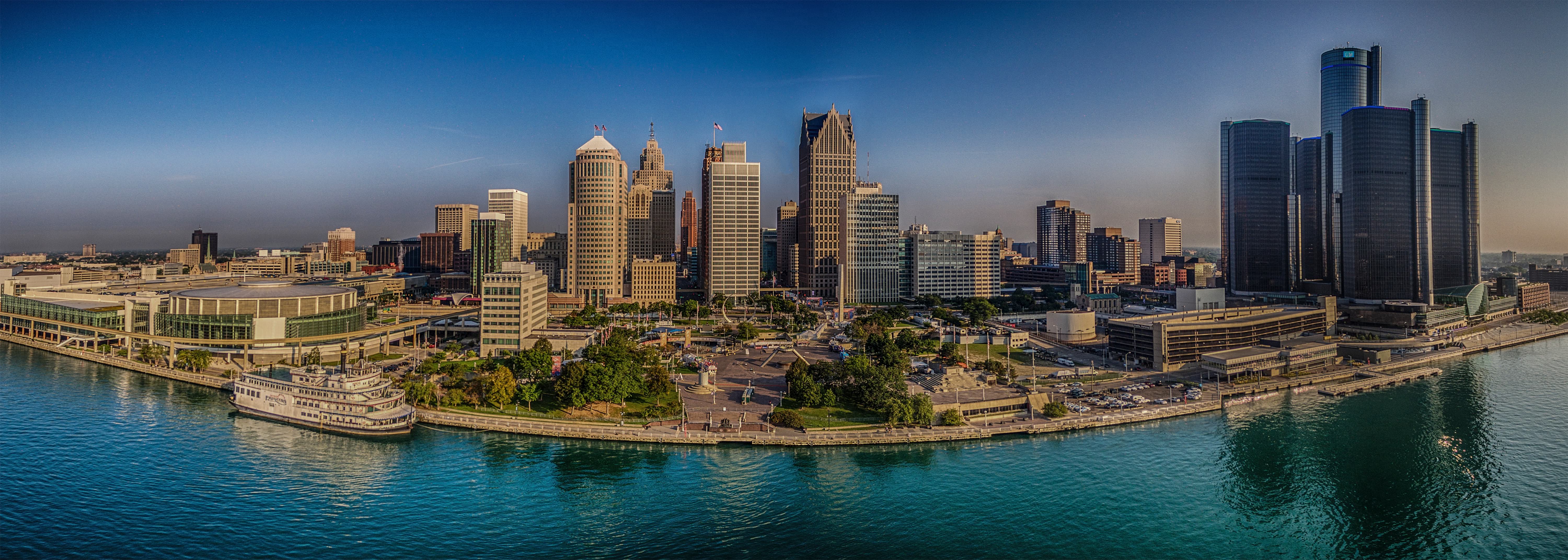
No exploration of Detroit is complete without acknowledging its revitalized core. Downtown Detroit, once largely deserted after working hours, is experiencing a renaissance fueled by investment, entertainment, and residential development. The iconic Renaissance Center, a cluster of skyscrapers dominating the skyline, serves as a focal point. Major sporting events at Comerica Park (home of the Detroit Tigers), Ford Field (Detroit Lions), and Little Caesars Arena (Detroit Pistons and Red Wings) draw crowds and energy downtown. The RiverWalk, a scenic path along the Detroit River, offers stunning views and a connection to the city’s maritime history. Greektown, with its authentic restaurants and vibrant atmosphere, provides a taste of cultural heritage.
Just north of Downtown lies Midtown, a cultural and educational hub. Home to Wayne State University, the Detroit Institute of Arts (DIA), the Detroit Medical Center, and the Detroit Public Library, Midtown pulsates with intellectual curiosity and artistic expression. The DIA, with its world-renowned collection, is a must-see, while the surrounding Cultural Center offers a variety of performances and exhibitions. The area is also known for its eclectic mix of restaurants, bars, and boutiques, catering to a diverse population of students, professionals, and artists.
Beyond the Core: Exploring Distinct Neighborhoods
Venturing beyond Downtown and Midtown reveals a mosaic of distinct neighborhoods, each with its own unique identity:
-
Corktown: Detroit’s oldest surviving neighborhood, Corktown is experiencing a resurgence as a trendy destination. Historic brick buildings house upscale restaurants, bars, and boutiques. The iconic Slows Bar BQ draws crowds with its mouthwatering barbecue, while the nearby Michigan Central Station, undergoing a massive redevelopment project by Ford, promises to be a catalyst for further growth. Corktown’s Irish heritage is still evident, with traditional pubs and community events.
-
Mexicantown: Located southwest of Downtown, Mexicantown is a vibrant cultural enclave with a rich history. Colorful murals adorn buildings, and the aroma of authentic Mexican cuisine fills the air. Restaurants like Xochimilco and El Barzon are local favorites, serving up traditional dishes and lively atmospheres. The neighborhood is a testament to the enduring strength and cultural contributions of Detroit’s Mexican community.
-
Eastern Market: A historic public market, Eastern Market is a Detroit institution. Every Saturday, vendors from across the region gather to sell fresh produce, flowers, meats, and artisanal goods. The market is a vibrant community gathering place, offering a taste of local flavors and a glimpse into Detroit’s agricultural roots. Beyond Saturdays, the surrounding area is home to art galleries, studios, and restaurants, adding to the neighborhood’s creative energy.
-
Indian Village: Located on Detroit’s east side, Indian Village is a historic neighborhood known for its stunning architecture. Grand mansions, showcasing various architectural styles from the early 20th century, line the tree-lined streets. The neighborhood is a testament to Detroit’s past as a wealthy industrial center and offers a glimpse into a bygone era of elegance and grandeur.
-
Palmer Woods: Situated further north, Palmer Woods is another affluent residential neighborhood known for its beautiful homes and spacious lots. The area is characterized by its winding streets, mature trees, and meticulously maintained gardens. Palmer Woods is a haven of tranquility and sophistication, offering a contrast to the bustling energy of the city center.
-
Rosedale Park: Located on Detroit’s northwest side, Rosedale Park is a close-knit community known for its well-maintained bungalows and strong sense of neighborhood pride. The area hosts numerous community events, fostering a strong connection among residents. Rosedale Park represents the enduring strength of Detroit’s residential neighborhoods and the commitment of its residents to maintaining a vibrant community.
-
Brightmoor: Located on Detroit’s far west side, Brightmoor is a neighborhood facing significant challenges, including vacant lots and economic hardship. However, the community is showing signs of revitalization through community-led initiatives and urban farming projects. Organizations like the Detroit Black Community Food Security Network are working to improve access to healthy food and create economic opportunities for residents. Brightmoor represents the ongoing struggle for revitalization in some of Detroit’s most challenged neighborhoods.
-
North End: The North End has a rich history as a hub for African American culture and music. In recent years, it’s seen a resurgence driven by artists, entrepreneurs, and community organizers. The neighborhood is home to vibrant murals, community gardens, and innovative businesses. It represents a testament to the resilience and creativity of Detroit’s African American community.
Beyond the Borders: Understanding Regional Context
While focusing on Detroit’s neighborhoods is crucial, understanding its relationship with the surrounding metropolitan area is equally important. The city is bordered by several suburban communities, each with its own identity and demographics. The relationship between Detroit and its suburbs has been complex, marked by historical divisions and economic disparities. However, there is a growing recognition of the need for regional cooperation and collaboration to address shared challenges and promote sustainable growth.
Navigating the Challenges: Addressing Inequality and Revitalization
Detroit’s story is not without its challenges. The city has faced decades of economic decline, population loss, and social inequality. Many neighborhoods still struggle with high rates of poverty, unemployment, and crime. However, there is a growing sense of optimism and a commitment to addressing these challenges through community-led initiatives, philanthropic investment, and government programs.
Revitalization efforts are focused on attracting new businesses, creating jobs, improving infrastructure, and fostering a more equitable and inclusive economy. Organizations like the Detroit Future City Implementation Office are working to implement a comprehensive plan for sustainable development. The city’s bankruptcy in 2013, while painful, ultimately provided an opportunity to restructure its finances and invest in its future.
The Future of Detroit: A City on the Rise
Detroit is a city in transformation. While challenges remain, the city is showing signs of resilience and revitalization. New businesses are opening, young professionals are moving in, and the city’s cultural scene is thriving. The spirit of innovation and entrepreneurship is alive and well in Detroit.
Understanding the city’s neighborhoods is key to appreciating its complex history and its ongoing evolution. Each neighborhood has its own story to tell, and together they form a vibrant and diverse mosaic that is uniquely Detroit. As the city continues to rebuild and reinvent itself, its neighborhoods will play a crucial role in shaping its future. By exploring the map, listening to the stories, and engaging with the community, we can gain a deeper understanding of Detroit and its potential to become a truly great city once again. The journey is ongoing, but the spirit of Detroit remains strong, a testament to the resilience and determination of its people.